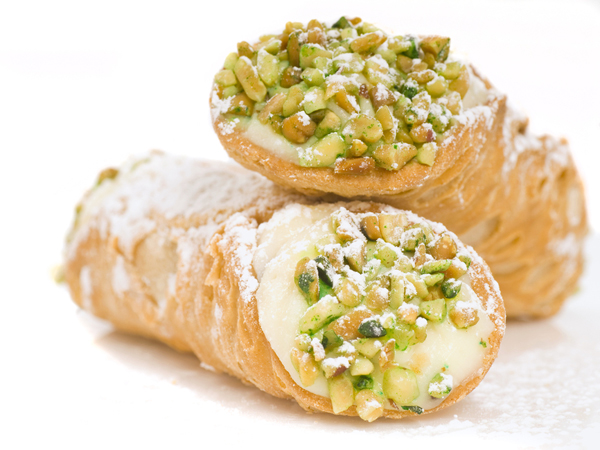
This authentic Sicilian cannoli recipe, straight from Sicily, Italy, courtesy of my friend Lili, is a family treasure that I’m thrilled to share with you. Prepare to be transported to the heart of Sicily with every bite!
Why You’ll Adore This Recipe
Who can resist a perfect cannoli? The crisp, fried pastry shell, the creamy, sweet ricotta filling, and the delightful toppings make this Italian dessert a true culinary masterpiece. You’ll be surprised at how easily this iconic treat comes together, especially with this recipe straight from the cannoli’s homeland.
Authentic Sicilian Cannoli Recipe
- Prep & Cook Time: 40 minutes (plus dough rest time)
- Yield: 12 servings
These crispy, golden pastry shells filled with creamy, sweet ricotta are a true Sicilian classic. This recipe makes it easier than you think to recreate this beloved Italian dessert at home.
Ingredients
Cannoli Dough
- 2 cups 00 flour or all-purpose flour
- ¼ teaspoon cocoa powder
- 2 tablespoons confectioners’ sugar (granulated sugar works too)
- Pinch of salt
- 1 egg, well beaten
- ⅛ cup cold butter, cubed
- ¼ cup Marsala wine (add more if needed)
- About 8 cups vegetable or canola oil (for frying)
- 1 egg, well beaten (for sealing the dough)
Cannoli Filling
- 3 cups ricotta cheese, strained (no liquid)
- ¾ cup powdered sugar (granulated sugar will make it grainy)
- Pinch of salt
- ½ cup mini chocolate chips (optional but traditional)
Optional Toppings & Decorations
- Candied orange slices or peel
- Crushed pistachios
- Mini chocolate chips
- Powdered sugar (for dusting)
Step-by-Step Instructions
Step 1: Make the Cannoli Dough
- Combine Dry Ingredients: In a large mixing bowl, sift together the flour, cocoa powder, powdered sugar, and salt.
- Add Wet Ingredients: Add the beaten egg and cubed butter, working the butter into the dry ingredients by hand until it is crumbly and remains in small chunks.
- Form the Dough: Slowly add the Marsala wine, a little at a time, mixing to form a soft, slightly sticky dough.
- Knead and Rest: Transfer the dough to a floured surface and knead for about 10 minutes to develop the gluten. Form into a ball, cover with plastic wrap and a cloth, and let it rest at room temperature for at least 30 minutes (up to 2 hours).
Step 2: Prepare and Fry the Cannoli Shells
- Heat the Oil: Heat about 1 ½ inches of vegetable oil in a large pot to 345°F – 355°F (174°C – 179°C).
- Roll Out the Dough: Roll out half of the dough at a time on a floured surface until very thin (about 1/16-inch thick). Using a pasta machine or rolling pin is key for achieving those characteristic bubbles in the crust.
- Cut the Shapes: Cut the dough into 3.5- to 4-inch circles using a cookie cutter or the rim of a glass. You can roll them out a bit more after cutting if necessary.
- Wrap Around Molds: Carefully wrap each dough circle around a metal cannoli form. Avoid pressing the dough too tightly onto the form; you want a little wiggle room for it to puff up during frying.
- Seal the Edges: Brush one end of the overlapping dough lightly with the beaten egg wash, then press to seal. This prevents the shells from coming apart in the hot oil.
- Fry: Using metal tongs, carefully fry the dough-wrapped molds in the hot oil. Fry several at a time (depending on your pot size) for 1–2 minutes until golden and crisp.
- Cool and Remove: Remove the shells and drain them on paper towels. While they are still warm but safe to handle, gently slide the shells off the molds. Let them cool completely. Do not fill the shells while they are hot!
Step 3: Make the Ricotta Filling
- Whip the Cheese: Whip the strained ricotta with a hand or stand mixer for 2–3 minutes.
- Sweeten: Sift the powdered sugar into the ricotta along with a pinch of salt. Gently fold until completely smooth. Fold in the ½ cup of mini chocolate chips, if using.
- Prep the Piping Bag: Transfer the filling to a piping bag fitted with a large round tip (or a plastic sandwich bag with one of the bottom corners snipped off).
Step 4: Fill and Decorate
- Fill the Shells: Pipe the filling into both ends of each completely cooled cannoli shell.
- Decorate: Dip the ends into your toppings of choice: crushed pistachios, mini chocolate chips, or candied orange slices. Dust the tops with powdered sugar right before serving and enjoy immediately!
Essential Equipment
- Cannoli Molds: These metal tubes are incredibly versatile and can even be used for other pastries or homemade ice cream cones.
- Pre-made Shells: While making your own is best, you can buy pre-made shells for convenience, though they can be expensive due to their fragile nature and the labor involved in making them.
FAQ: All About Cannoli
Where in Italy do cannoli come from? Cannoli are a classic Sicilian dessert originating from Palermo. The singular form, cannolo, means “little tube” in Italian, derived from canna (meaning “cane” or “tube”). It is believed that the Saracens introduced the sweet ricotta filling when they brought sugar cane to the region. Cannoli later became a staple of Carnivale, symbolizing fertility and celebration.
What is ricotta cheese? Ricotta means “recooked” in Italian and is classified as a whey cheese. When making cheese, milk separates into curds (solids) and whey (liquid). While most cheeses are made from curds, traditional ricotta is produced by heating the remaining whey with a touch of whole milk and an acid, causing delicate curds to form, which are then strained.
How is ricotta made in the U.S.? Unlike traditional Italian ricotta made from whey, most American ricotta is produced directly from whole milk. The milk is heated, coagulated, and strained to create a creamy, spreadable cheese.
What can I substitute for ricotta? While nothing perfectly replicates ricotta in a cannoli, you can use:
- Whipped cream cheese: Offers a similar texture and a mild flavor.
- Mascarpone: Creamier, richer, and slightly sweet.
- Cottage cheese: A healthier option, though it must be blended until completely smooth.
How do I strain ricotta? To prevent a runny filling, always strain your ricotta:
- Place a strainer or colander over a bowl, ensuring there is at least an inch of space underneath.
- Line the strainer with cheesecloth or strong paper towels.
- Spoon the ricotta inside, fold the cloth over, and refrigerate for 4 hours or overnight.
How do I fix a runny cannoli filling? If your filling becomes watery:
- Drain any excess liquid from the mixture.
- Squeeze additional moisture from the remaining ricotta before adding it back.
- Adjust the sweetness by folding in a bit more powdered sugar.
What else can I use to fill cannoli shells? If you want to try something different, you can swap the sweet ricotta for classic Italian Pastry Cream (Crema Pasticcera) or Chocolate Pastry Cream (Crema Pasticcera al Cioccolato).
Can I make cannoli ahead of time? Yes! You can fry the cannoli shells and store them in an airtight container at room temperature for up to 2 days (or freeze them in a sealed bag). Prepare the filling a day or two in advance and keep it refrigerated. Do not fill the shells until right before serving to keep them perfectly crisp.