Introduction
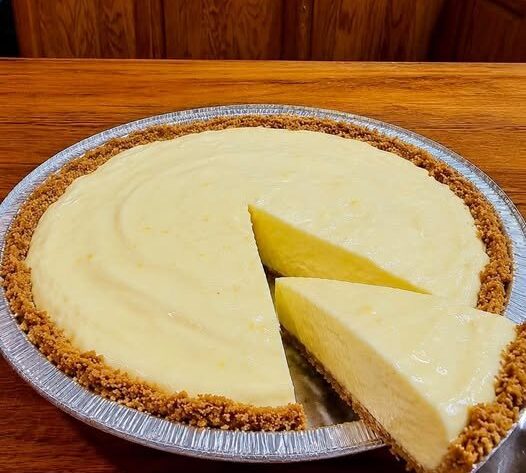
Creamy Lemon Icebox Pie is one of those timeless desserts that balances bright citrus flavor with smooth richness in a chilled, refreshing form. Unlike baked custard pies that require careful temperature control and lengthy oven time, an icebox pie relies on refrigeration to set and develop texture. The result is cool, silky, creamy, tangy, and deeply satisfying.
This dessert became especially popular in warm climates because it could be prepared ahead of time and served cold. The sharp freshness of lemon cuts through the richness of cream and sweetened condensed milk, creating a perfect harmony of sweet and tart flavors. A proper Creamy Lemon Icebox Pie should have a crisp crust, a luscious filling that slices neatly while remaining velvety, and a refreshing lemon aroma that fills the room the moment the pie is served.
The following recipe is intentionally detailed and extensive so every stage is explained thoroughly. It includes ingredient science, texture guidance, troubleshooting, variations, storage tips, serving ideas, and professional techniques for achieving bakery-quality results at home.
Yield
One 9-inch pie
Serves 8 to 10 people
Preparation Time
Crust preparation: 20 minutes
Crust cooling time: 20 minutes
Filling preparation: 20 minutes
Chilling time: 6 to 8 hours minimum
Ideal overnight chilling: 12 hours
Equipment Needed
9-inch pie dish
Mixing bowls
Electric mixer or whisk
Citrus zester
Citrus juicer
Rubber spatula
Measuring cups and spoons
Saucepan if preparing homemade curd variation
Food processor or rolling pin for crushing cookies
Fine mesh strainer optional for smoother filling
Microplane grater
Offset spatula optional for decorative topping
Ingredients For The Crust
2 cups graham cracker crumbs
You may crush whole graham crackers in a food processor until finely ground. The texture should resemble damp sand once combined with butter.
1/4 cup granulated sugar
This lightly sweetens the crust and helps caramelization during baking.
1/2 teaspoon fine sea salt
Salt balances sweetness and deepens flavor.
8 tablespoons unsalted butter, melted
The butter binds the crumbs together and creates a crisp structure after baking and chilling.
Alternative Crust Options
Vanilla wafer crust
Use 2 1/4 cups crushed vanilla wafers instead of graham crackers for a softer vanilla flavor.
Shortbread crust
Use buttery shortbread cookies for a richer texture and slightly more delicate finish.
Gingersnap crust
For a spiced variation, replace the graham crackers with crushed ginger cookies. The warm spice pairs beautifully with lemon.
Pretzel crust
For a sweet-and-salty contrast, substitute half the crumbs with finely crushed pretzels.
Ingredients For The Filling
2 cans sweetened condensed milk, 14 ounces each
This ingredient provides sweetness, creaminess, and body. The acidity of lemon juice naturally thickens condensed milk, helping create the pie’s luxurious texture.
1 cup heavy whipping cream
This adds lightness and creates a mousse-like consistency.
1/2 cup sour cream
Sour cream introduces tanginess and smooth richness while balancing sweetness.
3/4 cup freshly squeezed lemon juice
Fresh juice is essential. Bottled juice lacks the same vibrant aroma and brightness.
2 tablespoons finely grated lemon zest
Zest contains the essential oils that provide intense lemon flavor.
4 large egg yolks
Egg yolks add richness, structure, and silkiness. Some no-bake versions omit eggs, but they greatly improve texture.
1 teaspoon pure vanilla extract
Vanilla softens the sharp citrus edge and rounds out flavor.
1/8 teaspoon fine salt
A small amount heightens every other flavor in the filling.
Optional Ingredients For Enhanced Flavor
1 tablespoon limoncello
Adds depth and sophistication.
2 tablespoons cream cheese
Provides additional firmness and tang.
1 teaspoon lemon extract
Useful if lemons are mild.
1 tablespoon finely grated orange zest
Creates a layered citrus profile.
Ingredients For Whipped Cream Topping
1 1/2 cups heavy whipping cream
3 tablespoons powdered sugar
1 teaspoon vanilla extract
Extra lemon zest for garnish
Thin lemon slices optional
Step 1: Preparing The Crust
Preheat your oven to 350 degrees Fahrenheit or 175 degrees Celsius.
In a large bowl, combine graham cracker crumbs, sugar, and salt. Stir thoroughly so the ingredients are evenly distributed.
Pour in melted butter gradually while mixing with a fork. Continue mixing until all crumbs are coated. The mixture should resemble wet sand and hold together when pressed between your fingers.
Transfer the crumb mixture into a 9-inch pie dish.
Use the bottom of a measuring cup or glass to firmly press the crumbs across the bottom and up the sides of the dish. Compacting the crust properly is extremely important because loose crumbs can cause crumbling slices later.
Pay special attention where the bottom meets the sides because this area is most likely to break.
Bake the crust for 8 to 10 minutes until lightly golden and fragrant.
Remove from the oven and allow the crust to cool completely before adding filling.
Why Baking The Crust Matters
Even though this is an icebox pie, briefly baking the crust improves flavor and texture dramatically. Baking evaporates excess moisture, helps caramelize sugars, and creates a firmer shell that stays crisp longer under the creamy filling.
Skipping this step often leads to a soggy crust.
Step 2: Preparing Fresh Lemons
Wash the lemons thoroughly before zesting.
Zest the lemons first because it is difficult to zest them after juicing.
Use only the bright yellow outer layer. Avoid the bitter white pith underneath.
After zesting, roll the lemons firmly on the counter using your palm. This helps release more juice.
Cut and squeeze the lemons until you obtain 3/4 cup juice.
Strain the juice if you prefer an ultra-smooth filling.
Choosing The Best Lemons
Look for lemons that feel heavy for their size because they usually contain more juice.
Thin-skinned lemons often provide more juice than thick-skinned varieties.
Fresh lemons should smell intensely fragrant even before cutting.
Meyer lemons can be used for a sweeter, floral variation.
Step 3: Making The Filling
In a large mixing bowl, combine sweetened condensed milk, sour cream, egg yolks, vanilla extract, salt, and lemon zest.
Whisk until completely smooth.
Slowly pour in the lemon juice while whisking continuously.
You will notice the mixture beginning to thicken naturally because the acid reacts with proteins in the condensed milk.
In a separate chilled bowl, whip the heavy cream until soft peaks form.
Do not overwhip. The cream should remain silky and flexible.
Gently fold the whipped cream into the lemon mixture using a spatula.
Fold slowly to preserve airiness.
The finished filling should appear pale yellow, glossy, and smooth.
Step 4: Filling The Pie
Pour the filling into the cooled crust.
Spread evenly with a spatula.
Tap the pie dish lightly against the counter several times to remove large air bubbles.
Smooth the surface carefully for a professional appearance.
Cover loosely with plastic wrap without touching the filling surface.
Refrigerate for at least 6 to 8 hours.
For the cleanest slices and fullest flavor, chill overnight.
Understanding Icebox Pie Texture
The chilling process is essential because the filling continues thickening as it cools.
A properly chilled pie should slice cleanly while remaining creamy.
If served too early, the filling may appear loose.
Extended chilling also allows lemon oils and dairy flavors to blend more completely.
Step 5: Preparing The Whipped Cream Topping
Place a mixing bowl and beaters in the freezer for 10 minutes.
Cold equipment helps cream whip faster and hold shape longer.
Pour heavy cream into the chilled bowl.
Add powdered sugar and vanilla extract.
Beat until medium peaks form.
Medium peaks are ideal because they hold shape while remaining smooth and creamy.
Spread or pipe the whipped cream onto the chilled pie.
Garnish with lemon zest or thin lemon slices if desired.
Step 6: Serving The Pie
Dip a sharp knife into hot water before slicing.
Wipe the knife clean between cuts for neat presentation.
Serve chilled directly from the refrigerator.
This pie pairs wonderfully with tea, coffee, fresh berries, or raspberry sauce.
Flavor Profile
A perfect Creamy Lemon Icebox Pie should taste:
Bright but not harsh
Sweet but balanced
Rich yet refreshing
Creamy but light
Tangy with lingering citrus aroma
Texture Goals
The crust should be:
Firm
Buttery
Slightly crisp
Easy to cut without shattering
The filling should be:
Silky
Cool
Velvety
Stable enough to slice
Smooth without graininess
Common Mistakes And How To Avoid Them
Using bottled lemon juice
Fresh juice creates superior flavor and aroma.
Adding filling to a warm crust
Warm crust melts the filling and weakens structure.
Under-whipping cream
This can create a loose filling.
Over-whipping cream
This produces grainy texture and difficult folding.
Not chilling long enough
Icebox pies require patience for proper texture.
Using low-fat dairy
Full-fat ingredients provide the best consistency.
Overmixing after folding whipped cream
This removes air and makes the filling dense.
How To Make The Pie Extra Creamy
Add 2 ounces softened cream cheese.
Use high-quality heavy cream with at least 36% fat.
Allow the pie to chill overnight.
Whip cream only to soft or medium peaks.
Use room-temperature ingredients for smoother blending.
Advanced Bakery-Style Technique
For a more professional result, prepare a lemon curd concentrate.
In a saucepan combine:
1/2 cup lemon juice
1/2 cup sugar
3 egg yolks
1 tablespoon butter
Cook gently over low heat until thickened.
Cool completely and fold into the filling mixture.
This intensifies lemon flavor and creates luxurious depth.
No-Bake Version
If you prefer not to bake anything:
Use a store-bought graham crust or refrigerate the homemade crust for 1 hour instead of baking.
Omit egg yolks for food safety.
Increase lemon juice slightly for thickening.
The texture will be softer but still delicious.
Frozen Lemon Icebox Pie Version
Freeze the pie for 4 hours until semi-firm.
Serve partially frozen for an ice-cream-like dessert.
This variation is especially refreshing during summer.
Southern Style Variation
Southern versions often include:
Extra condensed milk
Minimal sour cream
Large amounts of lemon juice
Meringue topping instead of whipped cream
These pies tend to be sweeter and denser.
Elegant Restaurant-Style Variation
Use a thin butter shortbread crust.
Add mascarpone cheese to filling.
Pipe stabilized whipped cream decoratively.
Top with candied lemon peel.
Serve with berry coulis.
Tropical Variation
Add coconut cream.
Use lime and lemon together.
Top with toasted coconut flakes.
Serve with mango slices.
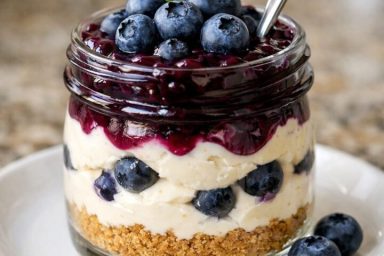
Berry Lemon Icebox Pie
Spread raspberry preserves at the bottom of the crust before filling.
Or swirl blueberry compote into the filling.
The berry acidity complements the lemon beautifully.
Storage Instructions
Refrigerator storage
Store covered in the refrigerator for up to 5 days.
Freezer storage
Freeze tightly wrapped for up to 2 months.
Thaw overnight in the refrigerator before serving.
How To Keep The Crust Crisp
Brush the cooled crust lightly with melted white chocolate before adding filling.
This creates a moisture barrier that prevents sogginess.
Professional Garnishing Ideas
Candied lemon peel
Thinly sliced dehydrated lemons
Fresh mint leaves
White chocolate curls
Crushed pistachios
Blueberry compote
Edible flowers
Toasted coconut
Making Clean Slices
Chill thoroughly.
Use a hot knife.
Wipe between cuts.
Do not press downward aggressively.
Use slow slicing motions.
Pairing Suggestions
Fresh strawberries
Blackberries
Blueberries
Hot Earl Grey tea
Iced tea
Espresso
Sparkling water
Vanilla bean ice cream
Why Lemon Desserts Are So Popular
Lemon desserts activate both sweetness and acidity receptors on the palate, creating a highly refreshing sensory experience.
Acidity also balances richness, which prevents the dessert from feeling overly heavy despite containing cream and condensed milk.
This contrast is one reason lemon-based desserts remain universally loved.
Ingredient Science
Sweetened condensed milk thickens naturally with acidic ingredients because proteins react and tighten slightly.
Whipped cream introduces air bubbles that lighten texture.
Egg yolks contribute emulsification, helping fat and liquid combine smoothly.
Butter in the crust solidifies when chilled, reinforcing structure.
Troubleshooting Guide
Problem: Filling too runny
Possible causes:
Not enough chilling time
Too little lemon juice
Under-whipped cream
Problem: Crust crumbles badly
Possible causes:
Not enough butter
Crumbs too coarse
Crust not pressed firmly
Problem: Filling tastes too sweet
Solution:
Add extra lemon zest or a pinch of salt.
Problem: Filling tastes too tart
Solution:
Fold in additional whipped cream.
Problem: Grainy texture
Possible causes:
Over-whipped cream
Cold ingredients not blended properly
Homemade Graham Cracker Crumbs
If making crumbs manually:
Place crackers in a sealed plastic bag.
Use a rolling pin to crush evenly.
Aim for fine crumbs without large chunks.
Uniform crumbs create stronger crust structure.
Best Way To Zest Lemons
Use a microplane grater.
Grate gently while rotating the lemon.
Stop before reaching the white layer.
Fresh zest contains aromatic oils that provide stronger flavor than juice alone.
Creating Decorative Whipped Cream Swirls
Use a piping bag fitted with a star tip.
Pipe around the edges of the pie.
Chill again briefly before serving.
Texture Comparison Between Versions
Classic version:
Dense yet creamy
Whipped cream folded version:
Lighter and mousse-like
Frozen version:
Firm and ice-cream-like
Cream cheese version:
Rich and cheesecake-inspired
Historical Background
Icebox pies became popular before widespread modern refrigeration. Families relied on iceboxes to keep desserts chilled. These pies were practical because they required minimal baking and stayed refreshing even in warm weather.
Lemon became a favorite flavor because citrus remained bright and appealing despite the richness of dairy-based fillings.
Final Thoughts
Creamy Lemon Icebox Pie is a dessert built on contrast. Crisp crust meets silky filling. Rich cream meets sharp citrus. Sweetness meets refreshing acidity. Simplicity meets elegance.
Although the ingredient list is straightforward, careful attention to texture, temperature, and balance transforms this pie from ordinary into exceptional.
When prepared patiently and chilled properly, the result is a luxurious dessert that feels both comforting and refreshing at the same time.