SECTION 1: UNDERSTANDING GLUTEN-FREE DOUGH
Before starting, it is important to understand that gluten-free dough behaves completely differently from traditional wheat dough.
Gluten normally provides:
- Elasticity (stretching ability)
- Structure (holding shape)
- Air retention (for rise and chew)
In gluten-free baking, these must be recreated using:
- Starches (lightness and softness)
- Binders like xanthan gum or psyllium husk (structure)
- Proper hydration (moisture balance)
- Controlled mixing (to activate binding agents)
This is why gluten-free pizza dough is usually:
- Sticky instead of elastic
- Spreadable instead of kneadable
- More like thick batter than classic dough
Accepting this difference is key to success.
SECTION 2: INGREDIENT BREAKDOWN (WITH PURPOSE)
Dry Base:
- 2 ½ cups gluten-free flour blend
A high-quality blend should include:
- Rice flour (base structure)
- Tapioca starch (stretchiness)
- Potato starch (softness)
- Cornstarch (light crumb)
If your blend does not include a binder:
- Add 1 teaspoon xanthan gum
Optional advanced upgrade:
- 1 tablespoon psyllium husk powder (greatly improves chew and flexibility)
Salt:
- 1 teaspoon
Purpose:
- Enhances flavor
- Strengthens structure slightly
Sugar:
- 1 teaspoon (in dough) + 1 teaspoon (for yeast activation)
Purpose:
- Feeds yeast
- Helps browning
Yeast Mixture:
- 2 ¼ teaspoons active dry yeast
- 1 cup warm water (40–45°C)
- 1 teaspoon sugar
Important detail:
Water temperature must be controlled carefully:
- Too hot kills yeast
- Too cold slows activation
Wet Ingredients:
- 2 tablespoons olive oil
- 1 teaspoon apple cider vinegar
- 1 egg (room temperature)
Each plays a role:
Olive oil:
- Adds richness
- Helps crisp edges
- Prevents dryness
Apple cider vinegar:
- Enhances yeast performance
- Improves dough elasticity slightly
- Adds subtle flavor complexity
Egg:
- Adds protein for structure
- Improves binding
- Gives slight chew
Egg-free alternative:
- 2 tablespoons thick yogurt OR
- 1 tablespoon ground flaxseed + 2.5 tablespoons water (rested 5 minutes)
Optional Flavor Layer:
- 1 teaspoon garlic powder
- 1 teaspoon dried oregano or Italian seasoning
SECTION 3: PREPARATION ENVIRONMENT
Ideal kitchen conditions:
- Warm room (around 25–30°C)
- No strong drafts
- Clean, dry equipment
Prepare tools:
- Large mixing bowl
- Small bowl for yeast
- Whisk or mixer
- Parchment paper
- Baking tray or pizza stone
SECTION 4: ACTIVATING YEAST (CRITICAL STAGE)
- Pour warm water into a bowl.
- Add sugar and stir.
- Sprinkle yeast evenly over surface.
- Let sit undisturbed for 5–10 minutes.
What you should observe:
- Foam layer forming on top
- Slight yeasty aroma
If nothing happens:
- Yeast is inactive → discard and restart
Why this step matters:
- Ensures fermentation will occur
- Prevents dense, flat crust
SECTION 5: MIXING DRY INGREDIENTS
In a large bowl:
- Add flour blend
- Add xanthan gum (if needed)
- Add salt and sugar
- Add optional spices
Whisk thoroughly for at least 1–2 minutes.
Reason:
Even distribution of binders prevents uneven texture.
SECTION 6: PREPARING WET MIXTURE
In another bowl:
- Beat egg lightly
- Add olive oil
- Add apple cider vinegar
Mix until smooth.
SECTION 7: FORMING THE DOUGH
- Add yeast mixture to dry ingredients.
- Add wet mixture immediately after.
- Mix using:
Option A: Spoon (5–7 minutes effort)
Option B: Electric mixer (recommended, 3–5 minutes)
Expected texture:
- Thick, sticky, slightly glossy
- Not firm, not kneadable
Important:
Do not add too much extra flour. This is a common mistake that leads to dry crust.
SECTION 8: HYDRATION REST (VERY IMPORTANT)
Cover bowl and rest for 20–30 minutes.
During this time:
- Flour absorbs moisture
- Xanthan gum activates
- Psyllium (if used) forms gel structure
Skipping this step causes:
- Gritty texture
- Weak structure
SECTION 9: OVEN PREPARATION
Preheat oven to 220°C (430°F) for at least 20–30 minutes.
If using:
Pizza stone:
- Place inside oven during preheat
Baking tray:
- Turn upside down and heat it
Purpose:
Hot surface ensures instant crust setting.
SECTION 10: SHAPING THE DOUGH
- Place parchment paper on counter.
- Transfer dough onto paper.
- Lightly oil hands.
Press and spread dough gently.
Key techniques:
- Work from center outward
- Keep thickness even
- Slightly thicker edges for crust
Thickness control:
- Thin crust: 3–4 mm
- Medium: 5–7 mm
- Thick: 8–10 mm
Optional:
Use second parchment sheet on top for smoother shaping.
SECTION 11: EDGE FORMATION
Using fingers:
- Slightly lift and shape edges
This creates:
- Defined crust border
- Better visual appearance
- Improved texture contrast
SECTION 12: PRE-BAKING (STRUCTURE BUILDING)
Transfer dough (with parchment) onto hot surface.
Bake for 8–10 minutes.
Observe:
- Surface dries slightly
- Dough firms up
- Bottom begins to set
Why this step is essential:
Gluten-free dough cannot support toppings without pre-setting.
SECTION 13: TOPPING APPLICATION
Remove crust from oven.
Add:
- Thin layer of sauce
- Cheese
- Toppings
Important balance:
Too much topping = soggy center
Best practice:
Keep toppings moderate and evenly distributed.
SECTION 14: FINAL BAKE
Return pizza to oven.
Bake 10–15 minutes until:
- Edges golden brown
- Bottom slightly crisp
- Cheese melted and bubbling
Optional finish:
- Broil for 1–2 minutes for extra browning
SECTION 15: COOLING PHASE
Remove pizza and let rest for 3–5 minutes.
Why:
- Structure stabilizes
- Easier slicing
- Prevents crumbling
SECTION 16: TEXTURE EXPECTATIONS
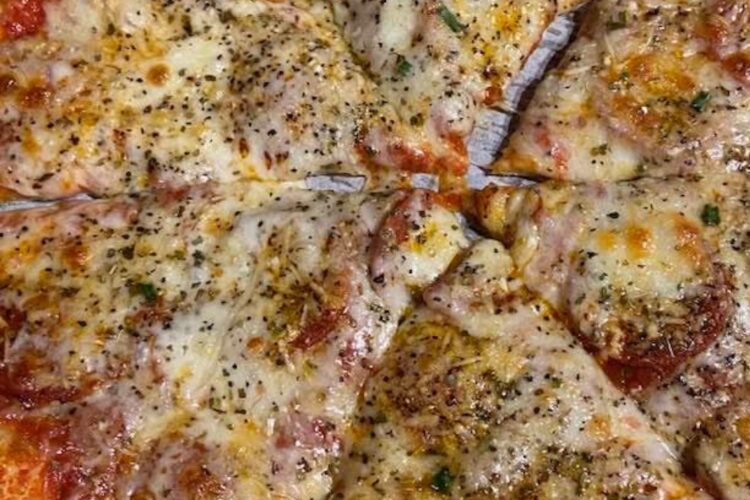
Perfect gluten-free crust should be:
- Crisp outside
- Soft but not gummy inside
- Slightly chewy
- Stable enough to hold slice
SECTION 17: COMMON PROBLEMS AND FIXES
Problem: Dough too sticky
Cause: High hydration
Solution: Light oil on hands, not extra flour
Problem: Crumbly crust
Cause: Not enough binder
Solution: Add xanthan gum or psyllium
Problem: Dense texture
Cause: Dead yeast or no rise
Solution: Check yeast activation
Problem: Soggy base
Cause: Too much sauce or no pre-bake
Solution: Reduce toppings, always pre-bake
SECTION 18: ADVANCED IMPROVEMENTS
- Add 1 tablespoon milk powder
Improves browning and flavor - Use carbonated water instead of regular water
Adds lightness - Add 1 tablespoon honey instead of sugar
Enhances flavor depth - Cold fermentation (advanced):
- Refrigerate dough 12–24 hours
- Improves taste complexity
SECTION 19: STORAGE AND REUSE
Dough storage:
- Refrigerate up to 24 hours
Pre-baked crust:
- Freeze up to 2 months
Reheating:
- Bake directly from frozen at high temperature
SECTION 20: FINAL NOTES
Mastering gluten-free pizza takes practice because:
- Flour blends vary widely
- Hydration levels differ
- Climate affects dough behavior
However, once you understand:
- Texture expectations
- Importance of resting
- Role of binders
You can consistently produce excellent gluten-free pizza crust at home.