Pumpkin soup is a smooth, comforting, and naturally slightly sweet soup made from cooked pumpkin blended into a creamy texture with aromatics, stock, and seasonings. It is one of those recipes that feels simple on the surface but can be developed into a deeply flavorful dish depending on technique, roasting, spice layering, and finishing touches. The main ingredient is pumpkin, a type of winter squash that becomes soft and rich when cooked, making it ideal for blending into soups. The flesh of pumpkin turns silky when simmered and naturally gives a thick body to the soup without needing much thickener.
To make a very detailed, restaurant-style pumpkin soup, start by selecting the right pumpkin. A mature cooking pumpkin is best, not the ornamental ones. Look for a pumpkin that feels heavy for its size, has a firm skin, and a deep orange color inside. A medium pumpkin around 1.5 to 2.5 kilograms will yield enough soup for several servings. Wash the pumpkin thoroughly first because the skin may carry dirt. Even though the skin is usually removed, washing prevents contamination while cutting. Use a large, sharp knife and cut the pumpkin carefully in half because raw pumpkin can be quite hard and slippery. Scoop out the seeds and stringy fibers from the center using a spoon. These seeds can be washed, dried, and roasted separately if desired, but for soup preparation they are removed. Then peel the skin using a strong vegetable peeler or a knife. Once peeled, cut the pumpkin flesh into evenly sized cubes, roughly two to three centimeters each so they cook evenly.
Now prepare the flavor base, which is extremely important because pumpkin alone has a mild taste. The base usually includes onions, garlic, and sometimes carrots or celery depending on preference. Take one large onion or two medium onions, peel and chop them finely. Take three to five garlic cloves, crush or mince them. Some people also add one small carrot for extra sweetness and body, and a small stalk of celery for depth, though this is optional. In a large heavy-bottomed pot, add two to three tablespoons of butter or olive oil. Butter gives a richer, more comforting flavor, while olive oil gives a lighter and slightly fruity note. Heat the pot on medium flame until the butter melts or the oil becomes warm but not smoking.
Add the chopped onions into the pot and stir well so they are coated in fat. Cook them slowly for about eight to ten minutes, stirring occasionally. The goal is not to brown them heavily but to soften them until they become translucent and slightly sweet. This slow cooking builds the foundation of flavor. Once the onions are softened, add the garlic and stir for another one to two minutes. Garlic cooks quickly, so it should not burn, otherwise it becomes bitter and ruins the balance of the soup. At this stage, you may also add a small pinch of salt because salt helps the onions release moisture and enhances flavor development.
Next, add the chopped pumpkin cubes into the pot. Stir everything together so the pumpkin is coated with the onion and garlic mixture. Allow it to cook for five to eight minutes, stirring occasionally. During this stage, the edges of the pumpkin may start to soften slightly and absorb the aromatics. Some cooks prefer to lightly sauté pumpkin before adding liquid because it deepens the flavor and removes raw vegetal notes.
At this point, spices can be added depending on the flavor profile you want. A classic warm pumpkin soup often includes a small pinch of ground black pepper, a tiny pinch of nutmeg, and sometimes a pinch of cinnamon. Nutmeg enhances the creamy, sweet character of pumpkin, while cinnamon adds warmth and depth. If you prefer a slightly savory and earthy profile, you can add cumin powder or coriander powder. For a slightly spicy version, a small amount of red chili flakes or fresh chopped ginger can be added. Ginger works especially well because it cuts through the sweetness and adds freshness.
Now pour in the liquid base, which is usually stock. You can use vegetable stock for a vegetarian version or chicken stock for a richer and deeper flavor. The amount of stock depends on the desired thickness, but generally you should add enough to just cover the pumpkin cubes. Adding too much liquid will make the soup thin, while too little may cause uneven cooking. Once the stock is added, increase the heat and bring everything to a gentle boil. After boiling, reduce the heat to low, cover the pot with a lid, and let it simmer.
The simmering stage is where the pumpkin transforms. Cook it slowly for about 20 to 35 minutes depending on the size of the cubes and the type of pumpkin used. The pumpkin should become extremely soft and break apart easily when pressed with a spoon. If it is still firm, continue cooking until it becomes tender. Stir occasionally to prevent sticking at the bottom of the pot, especially if the heat is high.
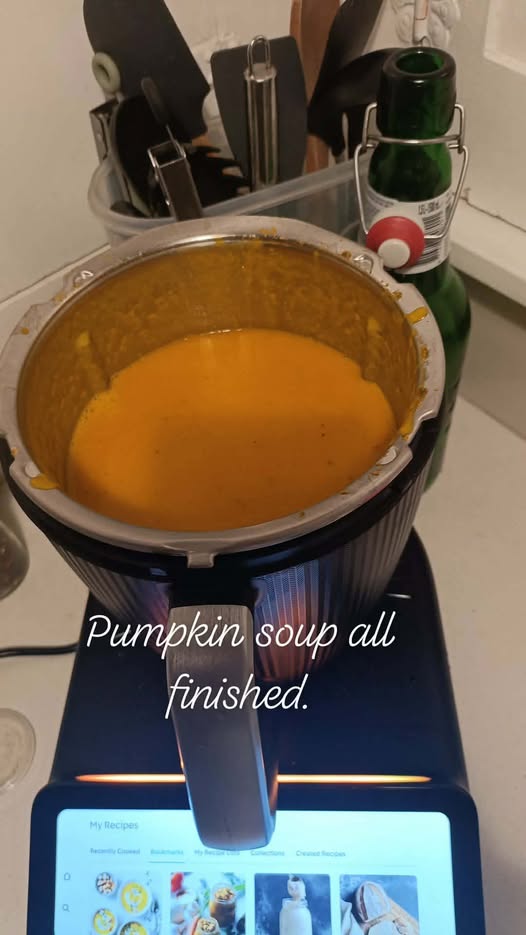
Once the pumpkin is fully cooked and soft, turn off the heat and allow the mixture to cool slightly. This is important for safety and also ensures smoother blending. Using an immersion blender, blend the soup directly in the pot until it becomes completely smooth, thick, and creamy. If you do not have an immersion blender, carefully transfer the mixture in batches into a regular blender. Always be cautious when blending hot liquids by not overfilling the blender and allowing steam to escape slightly. After blending, return the soup to the pot.
Now comes the refinement stage, which separates a basic soup from a restaurant-quality one. Place the blended soup back on low heat. Check the consistency carefully. If it is too thick, add a little warm stock or hot water. If it is too thin, simmer it uncovered so excess moisture evaporates. Stir continuously while adjusting. Taste the soup and adjust seasoning gradually. Add salt if needed, and freshly ground black pepper for sharpness.
At this stage, you can also enrich the soup further. Adding cream will make it luxurious and velvety. Fresh cream should be added slowly while stirring to prevent curdling. You can also use milk for a lighter version, or coconut milk for a slightly tropical, dairy-free variation. Coconut milk changes the flavor significantly, making it more aromatic and slightly sweet, which pairs very well with pumpkin.
Some advanced variations include roasting the pumpkin before cooking it in the pot. In this method, pumpkin cubes are tossed with a little oil and roasted in an oven until caramelized and slightly browned. This creates a deeper, more intense flavor with smoky undertones. Another variation is to add sautéed leeks instead of onions for a more delicate and refined taste. You can also add a small amount of apple while cooking pumpkin, which increases natural sweetness and adds complexity.
Let the soup simmer gently for another five to ten minutes after adding cream or adjustments so all flavors merge together. The final texture should be silky, thick enough to coat a spoon lightly, but still smooth enough to pour easily. If you want an ultra-smooth restaurant finish, you can strain the soup through a fine sieve after blending, though this step is optional and usually only done in professional kitchens.
For serving, pumpkin soup is typically enjoyed hot. It can be served as a starter or a light meal. It pairs beautifully with toasted bread, buttered croutons, garlic bread, or even grilled sandwiches. Some people garnish it with a swirl of cream on top, freshly ground pepper, roasted pumpkin seeds, or a drizzle of olive oil. These garnishes add texture and visual appeal without complicating the flavor.
From a nutritional perspective, pumpkin soup is rich in vitamins such as vitamin A, vitamin C, and vitamin E, along with dietary fiber and antioxidants. It is naturally low in calories when made without heavy cream, making it both filling and light. Because pumpkin is high in beta-carotene, the soup also has a vibrant orange color that is visually appealing.
In summary, a well-made pumpkin soup depends on three key stages: building a strong aromatic base with onions and garlic, cooking pumpkin slowly until it becomes completely soft, and finishing the blended soup with proper seasoning and creaminess. When done carefully, it becomes a smooth, warming, and deeply satisfying dish that can be adapted endlessly with spices, textures, and cooking methods.