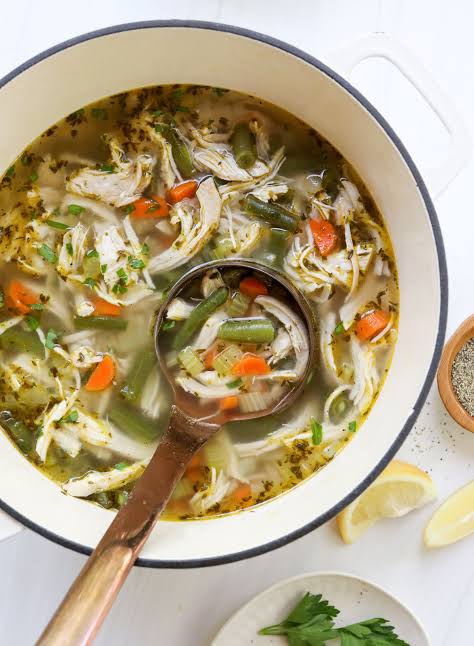
Chicken Vegetable Soup is one of the most comforting, nourishing, and versatile meals that can be prepared in any kitchen. It combines tender chicken, colorful vegetables, aromatic herbs, and a flavorful broth into a hearty dish that is suitable for lunch, dinner, meal preparation, or even recovery meals during cold weather. This recipe creates a rich, satisfying soup with layers of flavor developed through careful cooking techniques and balanced ingredients.
This detailed recipe is designed to help you make a large pot of homemade Chicken Vegetable Soup with excellent flavor, texture, and nutritional value.
Preparation Time
Preparation Time: 30 minutes
Cooking Time: 1 hour 30 minutes
Total Time: 2 hours
Servings: 10 to 12
Ingredients
For the Chicken
1.5 kg bone-in chicken thighs or chicken pieces
1 tablespoon olive oil
1 teaspoon salt
½ teaspoon black pepper
1 teaspoon garlic powder
1 teaspoon onion powder
For the Soup Base
2 tablespoons olive oil
2 large onions, finely diced
4 celery stalks, sliced
4 large carrots, diced
1 leek, cleaned and sliced
8 cloves garlic, minced
2 tablespoons tomato paste
For the Vegetables
2 cups potatoes, diced
1 cup sweet potatoes, diced
1 cup green beans, cut into small pieces
1 cup peas
1 cup corn kernels
1 zucchini, diced
1 yellow squash, diced
1 red bell pepper, diced
1 green bell pepper, diced
1 cup cabbage, shredded
1 cup spinach, chopped
For the Broth
3 liters chicken stock
2 cups water
2 bay leaves
1 teaspoon dried thyme
1 teaspoon dried oregano
1 teaspoon dried parsley
½ teaspoon rosemary
½ teaspoon paprika
1 teaspoon salt, or to taste
½ teaspoon black pepper
For Finishing
2 tablespoons fresh parsley, chopped
1 tablespoon fresh dill, chopped
2 tablespoons lemon juice
Freshly ground black pepper
Equipment Needed
Large soup pot or Dutch oven
Sharp knife
Cutting board
Wooden spoon
Ladle
Measuring cups and spoons
Step 1: Prepare the Chicken
Pat the chicken dry with paper towels.
Season both sides with salt, pepper, garlic powder, and onion powder.
Allow the chicken to rest for about 15 minutes while preparing the vegetables.
This brief resting period helps the seasonings penetrate the meat and improves flavor.
Step 2: Prepare All Vegetables
Dice the onions into small, even pieces.
Slice the celery into thin rounds.
Peel and dice the carrots.
Cut potatoes and sweet potatoes into bite-sized cubes.
Trim and chop green beans.
Dice zucchini and yellow squash.
Remove seeds from bell peppers and chop them evenly.
Shred the cabbage.
Wash and chop spinach.
Mince garlic finely.
Preparing all ingredients before cooking makes the soup-making process much smoother.
Step 3: Brown the Chicken
Heat 1 tablespoon olive oil in a large soup pot over medium-high heat.
Place the chicken pieces into the pot.
Cook for approximately 4 to 5 minutes per side until lightly golden.
The chicken does not need to cook through at this stage.
The purpose of browning is to create flavorful caramelized bits that enrich the broth.
Transfer the chicken to a plate and set aside.
Step 4: Build the Flavor Base
Reduce heat to medium.
Add 2 tablespoons olive oil to the same pot.
Add onions, celery, carrots, and leek.
Cook for 8 to 10 minutes while stirring occasionally.
The vegetables should soften gradually and become aromatic.
Add garlic and cook for 1 minute.
Stir in tomato paste.
Cook the tomato paste for 2 to 3 minutes.
This step deepens the flavor and removes raw acidity.
Step 5: Add Broth Ingredients
Pour in the chicken stock and water.
Stir thoroughly to loosen any browned bits from the bottom of the pot.
These browned bits contain concentrated flavor.
Add bay leaves, thyme, oregano, parsley, rosemary, paprika, salt, and pepper.
Mix well.
Return the browned chicken to the pot.
Bring everything to a gentle boil.
Step 6: Simmer the Soup
Once boiling, reduce heat to low.
Cover partially with a lid.
Allow the soup to simmer gently for 45 minutes.
During this time, the chicken becomes tender and releases flavor into the broth.
The vegetables and herbs also infuse the liquid with rich taste.
Avoid vigorous boiling, as gentle simmering produces a clearer, more flavorful soup.
Step 7: Remove and Shred Chicken
Carefully remove the chicken pieces from the pot.
Allow them to cool slightly.
Remove skin and bones if using bone-in chicken.
Shred the meat into bite-sized pieces using two forks.
The shredded chicken should remain moist and tender.
Set aside while the vegetables finish cooking.
Step 8: Add Root Vegetables
Add potatoes and sweet potatoes to the simmering broth.
Cook for approximately 15 minutes.
These vegetables require more cooking time than softer vegetables.
Stir occasionally to ensure even cooking.
The broth will begin to develop a slightly richer texture as the potatoes release some starch.
Step 9: Add Remaining Vegetables
Add green beans, bell peppers, zucchini, squash, cabbage, peas, and corn.
Stir thoroughly.
Continue cooking for another 15 minutes.
The vegetables should become tender while retaining some texture.
Overcooking can cause vegetables to lose color and freshness.
A balanced texture creates a more appealing soup.
Step 10: Return Chicken to the Pot
Add the shredded chicken back into the soup.
Stir gently to distribute evenly.
Allow the chicken to heat through for about 5 minutes.
Taste the broth.
Adjust salt and pepper if needed.
The soup should have a savory, balanced flavor with noticeable vegetable sweetness and herb complexity.
Step 11: Add Final Greens
Add chopped spinach.
Stir until wilted.
This usually takes only 2 to 3 minutes.
Spinach contributes freshness, color, and nutrition without overwhelming the soup.
Step 12: Finish with Fresh Herbs
Remove the bay leaves.
Add chopped parsley and dill.
Stir well.
Add lemon juice.
The lemon brightens the flavors and balances the richness of the broth.
Allow the soup to rest for about 5 minutes before serving.
Serving Suggestions
Serve hot in large bowls.
Pair with crusty bread.
Serve alongside garlic toast.
Enjoy with dinner rolls.
Offer with a fresh green salad.
Serve with buttered biscuits.
Accompany with grilled cheese sandwiches.
Use as a starter for a larger meal.
Storage Instructions
Allow the soup to cool completely before storing.
Transfer to airtight containers.
Refrigerate for up to 4 days.
The flavor often improves after a day as ingredients continue to meld together.
Freezing Instructions
Portion the soup into freezer-safe containers.
Leave some space for expansion.
Freeze for up to 3 months.
Thaw overnight in the refrigerator before reheating.
Warm gently over medium heat until thoroughly heated.
Tips for the Best Chicken Vegetable Soup
Use homemade stock whenever possible.
Brown the chicken before simmering.
Cook vegetables in stages according to their texture.
Do not skip fresh herbs at the end.
Avoid excessive boiling.
Taste and adjust seasoning throughout cooking.
Use a combination of vegetables for greater depth of flavor.
Fresh lemon juice enhances the final result.
Bone-in chicken creates a richer broth.
Allow the soup to rest briefly before serving.
Variations
For a heartier soup, add cooked rice.
For additional protein, include white beans.
For a lower-carbohydrate version, omit potatoes.
For extra vegetables, add mushrooms.
For a spicy version, include red pepper flakes.
For a Mediterranean variation, add chickpeas and extra herbs.
For a creamy version, stir in a small amount of cream before serving.
For a rustic farmhouse style, use larger vegetable chunks.
For a garden-fresh version, use seasonal vegetables from local markets.
Nutritional Benefits
Chicken provides high-quality protein.
Carrots contribute beta-carotene.
Spinach offers iron and vitamins.
Celery adds minerals and flavor.
Potatoes provide energy and fiber.
Bell peppers contribute vitamin C.
Green beans add texture and nutrients.
Cabbage contains beneficial antioxidants.
Fresh herbs contribute flavor while reducing the need for excess salt.
The result is a wholesome, satisfying meal that combines tender chicken, vibrant vegetables, fragrant herbs, and a deeply flavorful broth. This Chicken Vegetable Soup is comforting enough for cold evenings, nourishing enough for family dinners, and versatile enough to become a regular recipe in any home kitchen. Its rich aroma, colorful appearance, and hearty texture make it a timeless classic that can be enjoyed throughout the year.