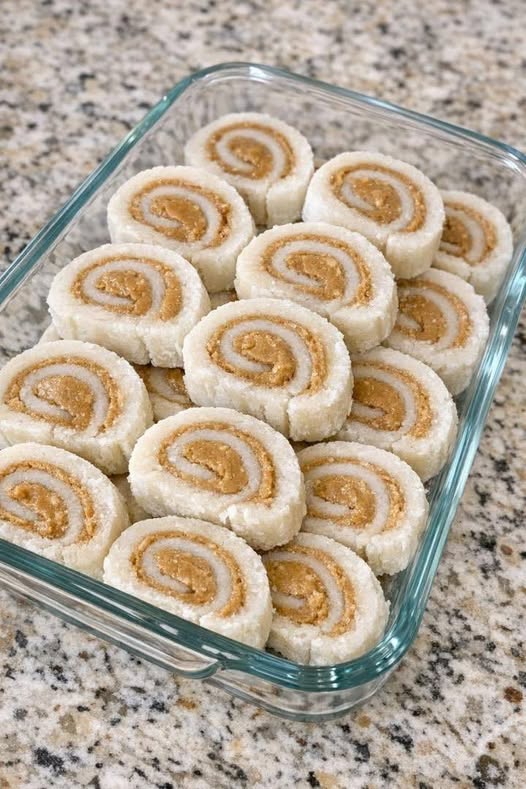
Old-fashioned peanut butter potato candy is a simple homemade sweet that brings traditional candy-making into your kitchen. Made with mashed potatoes, powdered sugar, vanilla, and creamy peanut butter, this nostalgic treat has a soft, sweet texture with a delicious peanut butter swirl in every slice. Although using potatoes in candy might sound unusual, they create a smooth base that helps the powdered sugar form a workable dough. Once rolled with peanut butter and chilled, the dough transforms into beautiful pinwheel candies that are perfect for sharing.
This traditional potato candy recipe requires only six basic ingredients and a little patience while the dough chills. There is no need for complicated cooking equipment, special candy thermometers, or advanced baking skills. The preparation mainly involves mixing, rolling, spreading, and refrigerating. With approximately 20 minutes of preparation time and two hours of chilling time, you can make around 20 servings of this homemade peanut butter candy for family gatherings, holiday celebrations, dessert platters, or an everyday sweet snack.
What Is Old-Fashioned Potato Candy?
Potato candy is a traditional homemade confection that combines mashed potatoes with a generous amount of powdered sugar to create a sweet, pliable dough. Despite its name, this candy does not taste like a potato dish. The potato provides moisture and structure, while the powdered sugar gives the mixture its sweetness and candy-like consistency. Vanilla extract adds a pleasant aroma, and a small amount of salt balances the sugary flavor.
Peanut butter potato candy is especially recognizable because of its attractive rolled appearance. The dough is flattened into a rectangle, covered with peanut butter, and rolled into a log. After chilling, the log is sliced into small round pieces with a distinctive peanut butter spiral in the center. These pinwheel slices look attractive on dessert trays and are easy to serve individually.
This old-fashioned sweet is often associated with traditional family recipes and homemade holiday treats. Its simple ingredients and straightforward preparation make it a wonderful recipe to prepare with family members. It is also a useful way to create something special without spending a lot of money on expensive candy-making ingredients.
This Peanut Butter Potato Candy
One of the biggest reasons to enjoy this homemade potato candy is its simplicity. You only need a few everyday ingredients, most of which are commonly available in a regular kitchen. Instead of purchasing packaged sweets, you can prepare a homemade dessert with a soft texture and rich peanut butter flavor. The recipe is also easy to follow because it does not require baking or complicated stovetop candy-making techniques.
Another advantage is the beautiful presentation. When the rolled candy is sliced, each piece reveals a creamy peanut butter center surrounded by sweet potato dough. These small pinwheels look lovely when arranged on a serving plate, making them suitable for holiday dessert tables, birthday celebrations, potlucks, and afternoon snacks. Their bite-sized shape also makes portioning simple.
The recipe is flexible in terms of preparation time because most of the waiting happens in the refrigerator. You can prepare the dough, allow it to chill, and complete the rolling process when it becomes easier to handle. The finished candy can also be refrigerated or frozen, which makes it convenient to prepare ahead of special occasions.
How to Make Peanut Butter Potato Candy
Making homemade potato candy is straightforward, but following the correct order is important for achieving a dough that is easy to roll. The process begins by mixing the mashed potatoes with milk, vanilla, and salt. Powdered sugar is then added gradually until the mixture becomes firm enough to shape. Chilling helps the dough become easier to work with before it is rolled and filled.
Step 1: Prepare the Potato Mixture
Place the completely cooled mashed potatoes into a mixing bowl. Add the milk, vanilla extract, and a pinch of salt. Stir everything together until the ingredients are evenly combined and the mixture looks smooth. Make sure the potatoes do not contain large lumps, as these can affect the texture of the finished candy.
Using cooled mashed potatoes is particularly important for this recipe. If the potatoes are still warm, they can make the mixture too soft and cause you to need more powdered sugar than expected. Preparing the potatoes in advance can make the entire candy-making process easier and more predictable.
Step 2: Add the Powdered Sugar
Gradually stir the confectioners’ sugar into the potato mixture. Begin with smaller additions and continue mixing until the ingredients start forming a thick dough. Keep adding powdered sugar as needed until the mixture reaches a consistency that can be handled and rolled.
The dough should be soft but not excessively sticky. Avoid adding too much sugar all at once because it can make mixing difficult. Once the desired consistency develops, cover the bowl and refrigerate the dough for approximately one hour. This chilling period helps firm it up and makes the next steps easier.
Step 3: Prepare the Rolling Surface
After chilling, remove the dough from the refrigerator and prepare a clean cutting board or sheet of waxed paper. Sprinkle the surface generously with confectioners’ sugar to prevent sticking. Dusting your hands and rolling pin lightly can also help if the dough feels slightly tacky.
A properly prepared surface makes a noticeable difference when shaping homemade potato candy. Since the dough contains a substantial amount of sugar, it can become sticky when exposed to moisture or handled for too long. Working on a lightly dusted surface helps you create a more even rectangle without tearing or pulling the dough.
Step 4: Roll the Dough into a Rectangle
Transfer the chilled dough onto the prepared surface. Use a rolling pin to flatten it into a large rectangular shape. Try to maintain an even thickness across the entire surface so that the finished candy has a consistent appearance.
Work gently while rolling because the dough can become delicate if stretched too aggressively. If it begins sticking, add a little more confectioners’ sugar underneath. A rectangular shape is helpful because it allows you to spread the peanut butter evenly and create a neat jelly-roll-style candy log.
Step 5: Spread the Peanut Butter Filling
Spread the peanut butter over the top of the flattened dough. Use enough to cover the surface in an even layer, paying attention to the edges. A consistent filling layer helps create attractive pinwheel patterns when the candy is sliced.
Try not to apply an excessively thick layer because too much filling can make the roll difficult to shape. Spread the peanut butter carefully using a spoon or spatula until the surface is covered. The creamy peanut butter provides a rich contrast to the sweet powdered sugar dough.
Step 6: Roll the Candy into a Log
Starting from one side of the rectangle, carefully roll the dough into a jelly-roll shape. Continue rolling gently until you have a long, compact log with the peanut butter enclosed inside. Try to keep the roll reasonably tight so the filling stays in place and the candy holds its shape.
Once the roll is complete, place it in the refrigerator for approximately one hour. This second chilling period helps the candy become firm enough to slice cleanly. It also allows the layers to hold together more effectively when cut into individual pieces.
Step 7: Slice and Serve
Remove the chilled candy roll from the refrigerator and place it on a clean cutting board. Using a sharp knife, slice the log into small pinwheel pieces. Try to make the slices relatively even so they look attractive when arranged on a serving plate.
The candy is now ready to enjoy. Arrange the pinwheel slices on a dessert platter and serve them chilled or slightly softened according to your preference. Their sweet powdered sugar dough and creamy peanut butter center make them a delicious addition to homemade dessert collections.
How to Store Peanut Butter Potato Candy
Proper storage helps homemade potato candy maintain its texture and freshness. Once sliced, transfer the pieces into an airtight container and arrange them carefully to prevent unnecessary handling. Store the container in the refrigerator, where the candy can remain fresh for up to two weeks.
If you need to stack the slices, place a sheet of parchment or waxed paper between the layers. This helps prevent the pieces from sticking together and makes it easier to remove individual servings. Keep the container tightly closed so the candy does not absorb unwanted refrigerator odors or become dry.
For the best eating experience, serve the candy chilled or allow it to sit briefly at room temperature before serving. Avoid leaving it uncovered for extended periods, especially in a warm kitchen, because the soft filling and sugary dough can become less firm.
Can You Freeze Potato Candy?
Yes, peanut butter potato candy freezes well, making it a convenient dessert to prepare ahead of holidays and family celebrations. Place the sliced candy in a freezer-safe airtight container. Separate the layers with parchment or waxed paper to help prevent the pinwheels from sticking together during storage.
The candy can be frozen for up to three months. When you are ready to serve it, transfer the container to the refrigerator and allow the pieces to thaw overnight. Thawing slowly helps maintain the texture and keeps the candy from becoming excessively soft.
For the best results, keep the candy protected from air and moisture while it is frozen. If preparing a large batch, dividing it into smaller portions can make storage and serving more convenient. You can then remove only the amount needed for a particular occasion.
Frequently Asked Questions
Why Are Potatoes Used in Potato Candy?
Mashed potatoes provide moisture and help form the base of the candy dough. When combined with powdered sugar, they create a thick mixture that can be rolled and shaped. The potatoes do not make the finished candy taste savory because the large quantity of confectioners’ sugar and the peanut butter filling dominate the flavor.
Does Potato Candy Taste Like Potatoes?
No, properly prepared potato candy tastes like a sweet confection rather than a potato dish. The mashed potatoes mainly contribute moisture and structure. Vanilla adds a pleasant dessert flavor, while peanut butter provides the rich filling that makes each pinwheel delicious.
Why Is My Potato Candy Dough Too Sticky?
Sticky dough can result from warm mashed potatoes, excess moisture, or insufficient powdered sugar. Make sure the potatoes are completely cool before mixing. Add confectioners’ sugar gradually until the dough becomes firm enough to roll. Dusting the work surface with additional sugar can also make shaping easier.
Why Does Potato Candy Need Refrigeration?
Refrigeration helps firm the dough and allows the candy to hold its shape. The first chilling period makes the dough easier to roll, while the second helps the peanut butter-filled log become firm enough to slice into neat pinwheels.
How Long Does Homemade Potato Candy Last?
When stored in an airtight container in the refrigerator, peanut butter potato candy lasts up to two weeks. For longer storage, freeze it for up to three months and thaw it overnight in the refrigerator before serving.
Can I Prepare Potato Candy Ahead of Time?
Yes. This candy is suitable for making ahead because it requires refrigeration and can also be frozen. You can prepare the complete roll, chill it, slice it, and store the pieces until you are ready to serve them.
When to Serve Old-Fashioned Peanut Butter Potato Candy
These homemade pinwheel candies are suitable for many occasions. Their small size makes them easy to arrange on holiday dessert trays alongside cookies, fudge, brownies, and other traditional sweets. They are also a lovely option for potlucks, family gatherings, afternoon tea, and homemade gift boxes.
Because the candy can be prepared in advance, it is especially useful when planning a celebration. You can make it ahead, refrigerate or freeze the finished pieces, and bring them out when needed. The attractive spiral pattern adds variety to dessert platters without requiring elaborate decoration.
Peanut Butter Potato Candy Dessert
A traditional homemade candy made with mashed potatoes, powdered sugar, vanilla, and creamy peanut butter. This easy no-bake dessert is rolled into a log, chilled, and sliced into sweet pinwheel pieces.
20
servings20
minutes158
kcal120
minutes2
hours20
minutesIngredients
¼ cup mashed potatoes
2 tablespoons milk
1 teaspoon vanilla extract
1 pinch salt
6 cups confectioners’ sugar (or as needed), plus more for dusting
⅓ cup peanut butter, or as needed
Directions
- Add the completely cooled mashed potatoes, milk, vanilla extract, and salt to a mixing bowl. Stir until the mixture is smooth and evenly combined.
- Gradually add the confectioners’ sugar, mixing continuously until a thick dough forms. Add more sugar if needed to achieve a consistency suitable for rolling.
- Refrigerate the dough for approximately 1 hour until chilled and easier to handle.
- Sprinkle confectioners’ sugar over a clean cutting board or sheet of waxed paper to prevent sticking.
- Transfer the chilled dough onto the prepared surface and roll it into a large rectangular shape.
- Spread enough peanut butter over the dough to cover the surface evenly.
- Carefully roll the dough into a jelly-roll shape, keeping the peanut butter filling enclosed inside.
- Place the candy roll in the refrigerator for another hour until firm.
- Remove the chilled roll and slice it into individual pinwheel pieces using a sharp knife
- Arrange the candy slices on a serving plate and enjoy.
Nutrition Facts
- Total number of serves: 20
- Calories: 158kcal
- Fat: 2g
- Carbohydrates: 32g
- Protein: 1g