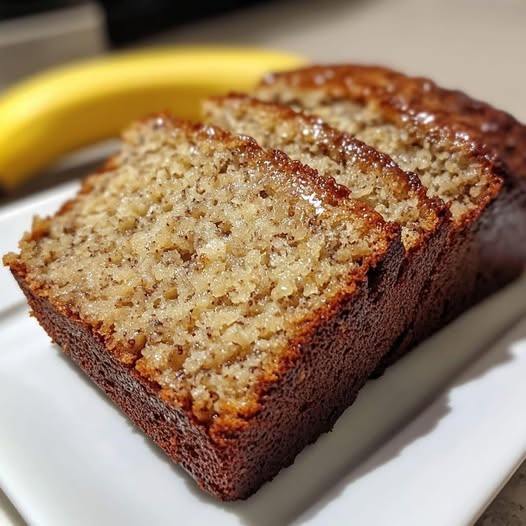
Banana oat bread is one of the most comforting homemade baked foods in the world. It is soft, warm, naturally sweet, rich in banana flavor, and filled with the wholesome goodness of oats. Unlike traditional yeast breads, banana oat bread belongs to the category of quick breads, meaning it rises with baking soda and baking powder instead of yeast. This makes the recipe easier, faster, and more beginner-friendly while still producing a deeply satisfying loaf.
This extremely detailed version explains every ingredient, every technique, every stage of baking, and every possible variation so that even someone who has never baked before can successfully create a beautiful loaf of banana oat bread. The purpose of this guide is not only to give instructions but also to help you truly understand the science, texture, flavor, and methods behind the recipe.
Banana oat bread is loved because it transforms simple ingredients into something rich, moist, aromatic, and filling. The bananas create sweetness and softness, while oats provide texture and heartiness. Together they produce a bread that feels nourishing and comforting at the same time.
This recipe is ideal for breakfast, evening tea, lunchboxes, snacks, post-workout meals, or dessert. It can be served warm or cold, plain or topped, simple or luxurious. It is also one of the best ways to use overripe bananas that might otherwise go to waste.
Complete Ingredient Guide
Main Ingredients
Bananas
Bananas are the soul of this bread. The quality and ripeness of the bananas directly affect the sweetness, aroma, moisture, and softness of the final loaf.
You should use very ripe bananas with dark brown spots or nearly black peels. These bananas are sweeter because their starches have converted into sugar during ripening.
Fresh yellow bananas without spots are less suitable because they are firmer and less sweet.
Why Ripe Bananas Matter
Very ripe bananas provide:
Natural sweetness
Moisture
Soft texture
Strong banana flavor
Better aroma
Natural binding power
If the bananas are underripe, the bread may taste bland and less moist.
Flour
All-purpose flour creates structure in the bread. It supports the loaf and prevents it from collapsing.
You may also use:
Whole wheat flour
Oat flour
Gluten-free flour blend
A combination of different flours
Whole wheat flour creates a denser and more nutritious bread, while oat flour gives softness and extra oat flavor.
Oats
Rolled oats are commonly used because they soften nicely during baking while maintaining texture.
Oats add:
Fiber
Texture
Nutty flavor
Heartiness
Satisfying chewiness
There are different kinds of oats:
Rolled oats
Quick oats
Steel-cut oats
Instant oats
Rolled oats are the best choice for balanced texture.
Quick oats create softer bread.
Steel-cut oats remain too hard unless soaked.
Eggs
Eggs help bind the ingredients together and improve texture.
Eggs also provide:
Moisture
Richness
Protein
Structure
Better rise
Room-temperature eggs mix more smoothly into the batter.
Butter
Butter provides richness and flavor.
Melted butter spreads evenly through the batter and contributes to softness.
Unsalted butter is preferred because it allows better control over salt levels.
Oil
Adding a little oil alongside butter helps keep the bread moist for longer.
Oil prevents dryness and extends shelf life.
Vegetable oil, canola oil, or light olive oil work well.
Milk
Milk adds moisture and helps soften the crumb.
You can use:
Whole milk
Low-fat milk
Almond milk
Oat milk
Soy milk
Yogurt-based milk mixtures
Sugar
Although bananas already provide sweetness, a small amount of sugar improves flavor and caramelization.
Brown sugar creates deeper flavor and moisture.
White sugar adds clean sweetness.
Honey or maple syrup can also be used.
Baking Soda
Baking soda reacts with acidic ingredients in the bananas to help the bread rise.
Without baking soda, the bread would become dense and heavy.
Baking Powder
Baking powder provides additional lift and lightness.
Using both baking soda and baking powder creates balanced texture.
Salt
Salt enhances flavor and balances sweetness.
Even sweet baked goods need a little salt.
Cinnamon
Cinnamon pairs beautifully with bananas and oats.
It adds warmth and bakery-style aroma.
Vanilla Extract
Vanilla improves sweetness perception and enhances overall flavor complexity.
Full Ingredient List
3 to 4 very ripe bananas
2 cups rolled oats
1 ½ cups all-purpose flour
1 teaspoon baking soda
1 teaspoon baking powder
½ teaspoon salt
1 teaspoon cinnamon
¼ teaspoon nutmeg
2 eggs
⅓ cup melted butter
2 tablespoons vegetable oil
½ cup milk
1 teaspoon vanilla extract
¼ cup brown sugar
2 tablespoons white sugar
2 tablespoons honey
Optional nuts, chocolate chips, raisins, seeds, or coconut
Understanding Banana Bread Science
Many people follow recipes without understanding why each step matters. Learning the science helps you improve consistency and confidence.
Moisture Balance
Bananas contain significant water. Oats absorb moisture slowly. Flour absorbs moisture quickly.
Balancing wet and dry ingredients is essential.
Too much liquid creates gummy bread.
Too little liquid creates dry bread.
Gluten Formation
When flour mixes with liquid, gluten develops.
Too much mixing creates excessive gluten, causing tough bread.
Gentle mixing creates tender bread.
Leavening Reaction
Baking soda and baking powder release gases during baking.
These gases create air pockets that make the bread rise.
Fresh leavening agents are important for proper texture.
Equipment Needed
Large bowl
Medium bowl
Whisk
Fork or masher
Spatula
Loaf pan
Measuring cups
Measuring spoons
Cooling rack
Toothpick or knife for testing
Detailed Preparation Instructions
Step 1: Prepare Your Workspace
Before baking, organize all ingredients and tools.
This process is called mise en place, meaning “everything in its place.”
Measure ingredients carefully before beginning.
This prevents mistakes later.
Step 2: Preheat the Oven
Set oven to 175°C or 350°F.
Proper preheating ensures:
Even rise
Consistent texture
Correct baking time
Good crust development
An underheated oven can cause dense bread.
Preparing the Bananas
Peel bananas and place into a large bowl.
Mash slowly using a fork.
The bananas should become mostly smooth but not completely liquid.
Tiny banana pieces create flavor pockets in the bread.
If bananas are cold, let them warm to room temperature first.
Room-temperature ingredients combine more evenly.
Mixing Wet Ingredients
After mashing bananas:
Add eggs
Add melted butter
Add oil
Add milk
Add vanilla
Add honey
Whisk until smooth and creamy.
The mixture should smell sweet and fragrant.
Mixing Dry Ingredients
In a separate bowl combine:
Flour
Oats
Baking soda
Baking powder
Salt
Cinnamon
Nutmeg
Sugar
Whisk thoroughly.
This step distributes ingredients evenly and prevents uneven rising.
Combining Wet and Dry Mixtures
Slowly pour dry ingredients into wet ingredients.
Use a spatula to fold gently.
Avoid aggressive stirring.
The batter should look thick, creamy, and slightly textured.
Small lumps are normal.
Optional Add-Ins
You may customize banana oat bread in many ways.
Nuts
Walnuts create classic flavor.
Pecans add buttery richness.
Almonds provide crunch.
Chocolate Chips
Dark chocolate pairs beautifully with bananas.
Milk chocolate creates sweeter bread.
White chocolate gives creamy sweetness.
Dried Fruits
Raisins
Cranberries
Dates
Dried figs
Seeds
Flax seeds
Chia seeds
Sunflower seeds
Pumpkin seeds
Coconut
Shredded coconut adds tropical flavor and texture.
Preparing the Pan
Grease loaf pan with butter or oil.
You may also line it with parchment paper.
Parchment helps easy removal.
Filling the Pan
Pour batter slowly into prepared pan.
Spread evenly using a spatula.
Tap pan gently to remove air pockets.
Optional Toppings
Rolled oats
Banana slices
Brown sugar
Chopped nuts
Cinnamon sugar
Baking Process
Place loaf in center rack.
Bake 50 to 70 minutes.
Do not open oven frequently.
Frequent opening causes heat loss and uneven baking.
Signs of Proper Baking
Golden brown surface
Firm top
Pleasant aroma
Toothpick comes out mostly clean
Edges slightly pulling from pan
Cooling Stage
Cooling is extremely important.
Freshly baked bread continues cooking internally after removal from oven.
Allow loaf to rest 15 minutes inside pan.
Then transfer to cooling rack.
Complete cooling may take one hour.
Slicing Techniques
Use serrated knife.
Cut slowly with gentle sawing motion.
Thick slices create hearty servings.
Thin slices work well for breakfast.
Flavor Development After Cooling
Interestingly, banana bread flavor improves after several hours.
As the loaf rests:
Moisture redistributes
Spices blend
Banana flavor deepens
Texture stabilizes
Many bakers believe banana bread tastes best the next day.
Storage Guide
Room Temperature Storage
Wrap tightly.
Store in airtight container.
Best within 3 days.
Refrigeration
Refrigerate for up to 1 week.
Warm before serving.
Freezing
Slice before freezing.
Wrap individual slices.
Store up to 3 months.
Reheating Methods
Microwave
Heat slice 10 to 20 seconds.
Oven
Wrap in foil and warm at low heat.
Toaster
Creates crispy edges.
Nutritional Discussion
Banana oat bread contains:
Fiber
Potassium
Carbohydrates
Healthy fats
Protein
Natural sugars
Oats support digestion.
Bananas provide energy.
Nuts contribute healthy fats.
Making Healthier Banana Oat Bread
Reduce sugar.
Use whole wheat flour.
Add seeds.
Replace butter with yogurt.
Use dark chocolate instead of milk chocolate.
Making Vegan Banana Oat Bread
Replace eggs with flax eggs.
Use plant milk.
Use coconut oil instead of butter.
Making Gluten-Free Banana Oat Bread
Use gluten-free flour blend.
Use certified gluten-free oats.
Bakery-Style Banana Oat Bread
To create professional bakery texture:
Use extra ripe bananas.
Add sour cream.
Rest batter before baking.
Bake slowly and evenly.
Use quality vanilla.
Advanced Texture Techniques
Resting the Batter
Allowing batter to rest 10 minutes hydrates oats and improves softness.
Steam Retention
Moist bread requires proper moisture retention.
Avoid overbaking.
Common Problems and Solutions
Bread Too Wet
Possible causes:
Undercooked center
Too much banana
Too much liquid
Bread Too Dry
Possible causes:
Too much flour
Overbaking
Too little banana
Bread Collapses
Possible causes:
Opening oven early
Too much baking soda
Undercooked center
Banana Bread Variations
Peanut Butter Banana Oat Bread
Add peanut butter for richness.
Espresso Banana Bread
Add coffee powder for deeper flavor.
Caramel Banana Bread
Swirl caramel into batter.
Tropical Banana Bread
Add pineapple and coconut.
Spiced Banana Bread
Increase cinnamon, nutmeg, and cloves.
Serving Ideas
Serve warm with butter.
Serve with tea.
Serve with coffee.
Serve with fruit.
Serve with yogurt.
Serve toasted with honey.
Serve with cream cheese.
Breakfast Version
Pair with eggs and fruit.
Provides filling morning meal.
Dessert Version
Serve warm with vanilla ice cream.
Drizzle caramel sauce.
Kid-Friendly Version
Add chocolate chips.
Make mini muffins.
Reduce spice level.
Mini Loaf Instructions
Divide batter into smaller pans.
Bake 25 to 35 minutes.
Muffin Instructions
Fill muffin cups ¾ full.
Bake 18 to 25 minutes.
Understanding Oven Behavior
Every oven behaves differently.
Some run hot.
Some run cool.
Rotate loaf halfway if needed.
Importance of Measuring Correctly
Baking depends on precision.
Too much flour changes texture dramatically.
Use proper measuring methods.
Aroma During Baking
As banana bread bakes, sugars caramelize and spices release aroma.
This creates the warm bakery smell associated with comfort baking.
Historical Background of Banana Bread
Banana bread became popular during the early twentieth century when baking soda and baking powder became common household ingredients.
People began using overripe bananas instead of wasting them.
Over time, many versions developed around the world.
Oat-based versions became popular because they added nutrition and texture.
Why People Love Banana Oat Bread
Easy to make
Comforting flavor
Affordable ingredients
Flexible recipe
Great for beginners
Uses overripe bananas
Nutritious compared to many desserts
Freezer-friendly
Expert-Level Tips
Use dark brown bananas.
Do not rush cooling.
Always preheat oven fully.
Avoid overmixing.
Check bread early but not too early.
Use quality cinnamon.
Store properly.
Full Process Summary
Gather ingredients.
Preheat oven.
Mash bananas.
Mix wet ingredients.
Mix dry ingredients.
Combine gently.
Add extras.
Prepare pan.
Pour batter.
Add toppings.
Bake carefully.
Cool completely.
Slice properly.
Serve and enjoy.
Final Thoughts
Banana oat bread is more than just a recipe. It represents comfort, warmth, simplicity, and home baking tradition. The combination of bananas and oats creates something deeply satisfying that works in almost every situation. It can be healthy or indulgent, simple or luxurious, rustic or elegant.
One of the greatest strengths of banana oat bread is adaptability. Once you understand the basic structure of the recipe, you can customize it endlessly according to your taste. Some people prefer heavy banana flavor, while others enjoy more oats and nuts. Some enjoy chocolate versions while others prefer healthy seed-filled versions.
The process itself is calming and rewarding. Mashing bananas, mixing batter, smelling the bread while it bakes, and slicing into a warm loaf creates an experience many people associate with comfort and family kitchens.
A properly baked banana oat bread should have a golden crust, moist center, tender crumb, rich aroma, and balanced sweetness. Each slice should feel soft yet hearty, sweet yet wholesome.
Whether eaten fresh from the oven, toasted the next morning, packed into a lunchbox, or served as dessert, banana oat bread remains one of the most beloved homemade baked goods in the world.