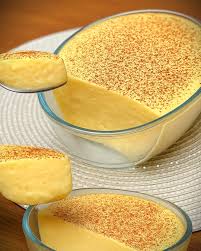
Introduction to the Dessert
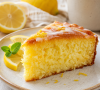
Citrus Ricotta Cream Dessert is a luxurious layered sweet dish that combines creamy ricotta cheese with bright citrus flavors such as orange, lemon, lime, and sometimes grapefruit or mandarin. The dessert is known for its smooth texture, refreshing aroma, balanced sweetness, and elegant appearance. It is inspired by classic Mediterranean and Italian-style desserts where ricotta cheese is frequently paired with fresh fruits, honey, cream, and delicate cakes or biscuits.
Unlike heavy cheesecakes or dense custards, this dessert remains light and airy while still feeling rich and satisfying. The ricotta creates a velvety base, while citrus zest and juice provide freshness that cuts through the richness. The result is a dessert that feels soft, delicate, fragrant, and refreshing at the same time.
This extended recipe is written in extreme detail to help beginners and experienced cooks alike understand every stage of the preparation process, ingredient behavior, texture management, layering methods, decoration techniques, storage advice, flavor balancing, professional presentation methods, and advanced variations.
History and Inspiration Behind Citrus Ricotta Desserts
Ricotta cheese has been used in Italian desserts for centuries. Traditional Sicilian sweets such as cannoli and cassata often feature ricotta mixed with sugar and citrus peel. Citrus fruits have long been abundant in Mediterranean regions, especially lemons and oranges, making them a natural pairing with dairy-based desserts.
Over time, cooks began experimenting with lighter layered desserts using whipped cream, ricotta, sponge cake, biscuits, syrups, and fruit preserves. Citrus Ricotta Cream Dessert evolved as a modern chilled dessert that combines traditional Italian flavor profiles with contemporary presentation styles.
Today, the dessert is popular because it is versatile, elegant, refreshing, and suitable for nearly every season. It can be served casually at family gatherings or presented formally at weddings, dinner parties, Ramadan gatherings, Eid celebrations, birthdays, and holiday feasts.
Understanding the Main Ingredients
Understanding Ricotta Cheese
Ricotta is a soft Italian cheese made from whey. It has a mild flavor, slightly grainy texture, and creamy consistency. Whole milk ricotta is preferred for desserts because it provides richness and smoother texture.
Good ricotta should taste fresh, slightly sweet, and creamy rather than sour or watery.
Fresh ricotta characteristics:
Soft and moist but not runny
Mild dairy aroma
Creamy white color
Light texture
Not excessively salty
Importance of Draining Ricotta
One of the biggest mistakes in ricotta desserts is using ricotta without draining excess moisture. Watery ricotta can ruin the texture by making the dessert loose and unstable.
Proper draining creates:
Thicker cream
Better layering
More concentrated flavor
Improved stability
Cleaner slices when serving
To drain ricotta properly:
Place cheesecloth or paper towels inside a fine strainer.
Add ricotta.
Place over a bowl.
Cover lightly.
Refrigerate for several hours or overnight.
Understanding Citrus Components
Citrus plays multiple roles in this dessert:
Juice provides acidity and brightness.
Zest provides aroma and concentrated oils.
Segments provide freshness and texture.
Syrup adds moisture and flavor.
The balance between sweetness and acidity is extremely important.
Different citrus fruits contribute unique qualities:
Orange:
Sweet, fragrant, mellow, floral.
Lemon:
Sharp, bright, tangy, refreshing.
Lime:
Bold, aromatic, slightly bitter.
Mandarin:
Sweet and delicate.
Grapefruit:
Slight bitterness with sophisticated flavor.
Understanding Heavy Cream
Heavy whipping cream adds airiness and softness. Whipping incorporates air bubbles that make the dessert light instead of dense.
Perfect whipped cream should:
Hold shape softly
Remain smooth
Not appear grainy
Blend gently into ricotta
Overwhipping causes separation and butter-like texture.
Complete Ingredient List
Ricotta Cream Base
4 cups whole milk ricotta cheese
2 cups heavy whipping cream
1 and 1/2 cups powdered sugar
1 tablespoon honey
2 teaspoons vanilla extract
Zest of 3 oranges
Zest of 2 lemons
Zest of 2 limes
4 tablespoons fresh orange juice
2 tablespoons fresh lemon juice
1 tablespoon fresh lime juice
1/4 teaspoon sea salt
Citrus Syrup
2 cups orange juice
3/4 cup lemon juice
1/3 cup lime juice
1 cup granulated sugar
2 tablespoons honey
2 strips orange peel
2 strips lemon peel
1 teaspoon vanilla
Layer Components
2 large packages ladyfingers
OR
2 sponge cakes sliced horizontally
Optional Flavor Additions
1/2 cup orange marmalade
1/2 cup lemon curd
1/4 cup candied orange peel
1/4 cup toasted pistachios
1/4 cup toasted almonds
1/4 cup white chocolate curls
2 tablespoons finely chopped mint
Fresh Fruit Garnishes
Orange slices
Mandarin segments
Lemon slices
Fresh raspberries
Fresh blueberries
Fresh strawberries
Mint leaves
Kitchen Equipment Needed
Large mixing bowls
Electric mixer
Silicone spatula
Whisk
Fine mesh strainer
Saucepan
Glass trifle bowl or dessert dish
Offset spatula
Microplane zester
Sharp knife
Cutting board
Pastry brush
Measuring cups and spoons
Serving glasses optional
Step One: Preparing the Ricotta
Place the ricotta into a fine mesh sieve lined with cheesecloth.
Allow it to drain in the refrigerator for at least 4 hours. Overnight draining is ideal.
Once drained, transfer ricotta into a bowl.
Use a spatula to press the ricotta against the bowl repeatedly. This smooths the texture.
For extra smoothness:
Process ricotta in a food processor for 2 minutes.
Or push ricotta through a fine sieve.
The smoother the ricotta, the more luxurious the dessert becomes.
Professional pastry chefs often spend significant time refining ricotta texture because texture determines the overall elegance of the final dessert.
Step Two: Making Citrus Syrup
Combine orange juice, lemon juice, lime juice, sugar, honey, orange peel, lemon peel, and vanilla in a saucepan.
Heat over medium flame.
Stir continuously until sugar dissolves.
Once dissolved, reduce heat slightly and simmer gently for 12 to 15 minutes.
The syrup should reduce slightly but remain pourable.
Do not overcook because thick syrup can make the dessert overly sweet and sticky.
Remove citrus peels.
Allow syrup to cool completely.
Cold syrup is important because warm syrup softens cream layers excessively.
Step Three: Preparing the Whipped Cream
Place mixing bowl and beaters into freezer for 15 minutes before whipping.
Cold equipment improves whipping stability.
Pour heavy cream into chilled bowl.
Beat at medium speed.
Once cream thickens slightly, gradually add powdered sugar.
Add vanilla extract and honey.
Continue whipping until medium peaks form.
Medium peaks should gently hold shape but still appear silky.
Avoid stiff peaks because they make folding difficult.
Whipped cream should look smooth, glossy, and soft.
Step Four: Combining the Cream Mixture
In the ricotta bowl, add:
Orange zest
Lemon zest
Lime zest
Orange juice
Lemon juice
Lime juice
Salt
Mix gently until fully combined.
Now add whipped cream in three portions.
Fold carefully using slow upward motions.
Never stir aggressively.
Folding keeps air inside the cream.
The finished mixture should be:
Light
Fluffy
Silky
Stable
Fragrant
Balanced between sweet and tangy
Step Five: Preparing the Layer Base
Using Ladyfingers
Quickly dip each biscuit into cooled syrup.
Do not soak for too long.
One second per side is enough.
Over-soaked biscuits collapse and become mushy.
Using Sponge Cake
Brush syrup lightly across cake layers.
Allow slight absorption before assembly.
Step Six: Layering the Dessert
Begin with a thin cream layer at the bottom.
Add soaked ladyfingers or cake.
Spread ricotta cream evenly.
Add tiny spoonfuls of marmalade and lemon curd.
Sprinkle nuts if using.
Repeat layers carefully.
A typical dessert includes:
Base cream layer
Biscuit layer
Cream layer
Flavor additions
Biscuit layer
Cream layer
Final decorative top
The top should always finish with cream for smooth decoration.
Step Seven: Decorative Techniques
Professional Decoration Ideas
Use a piping bag for elegant whipped cream swirls.
Arrange citrus slices in circular patterns.
Create alternating rows of orange and lemon slices.
Scatter berries naturally.
Sprinkle pistachios lightly.
Add white chocolate curls.
Finish with fine citrus zest.
For luxury presentation:
Brush citrus slices with warm apricot glaze.
This creates shine and prevents drying.
Advanced Decoration Styles
Rustic Style
Loose whipped cream
Casual fruit arrangement
Heavy zest sprinkling
Minimal symmetry
Elegant Restaurant Style
Perfectly aligned fruit
Mirror-smooth cream surface
Precise piping
Minimalist garnish placement
Festive Celebration Style
Extra berries
Gold leaf optional
Candied citrus peel
Layered garnish height
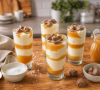
Mini Dessert Cup Version
Instead of one large dish, prepare individual glasses.
Layer carefully in transparent cups.
This style works beautifully for:
Weddings
Dinner parties
Buffets
Ramadan iftar tables
Eid dessert stations
Luxury catering
Flavor Balancing Principles
Perfect Citrus Balance
Too much lemon causes sharp sourness.
Too much orange causes excessive sweetness.
Too much lime creates bitterness.
Ideal balance includes:
Sweet citrus background
Bright acidic highlights
Gentle floral aroma
Creamy dairy softness
Sweetness Control
If dessert tastes too sweet:
Increase zest slightly.
Add extra lemon juice carefully.
Serve with unsweetened berries.
If dessert tastes too tangy:
Add powdered sugar.
Add more whipped cream.
Add honey.
Texture Troubleshooting
Problem: Watery Dessert
Cause:
Undrained ricotta
Overmixed cream
Too much juice
Solution:
Drain ricotta longer
Use more whipped cream
Reduce liquid additions
Problem: Dense Texture
Cause:
Overmixed cream
Heavy ricotta
Underwhipped cream
Solution:
Fold gently
Whip cream properly
Use whole milk ricotta
Problem: Mushy Layers
Cause:
Over-soaked biscuits
Warm syrup
Excess refrigeration time
Solution:
Dip quickly
Cool syrup fully
Use thicker biscuits
Flavor Variations
Vanilla Citrus Ricotta Dessert
Increase vanilla extract.
Add vanilla bean seeds.
Produces warmer flavor profile.
Honey Citrus Dessert
Replace sugar partially with honey.
Creates floral sweetness.
Blood Orange Version
Use blood orange juice and zest.
Creates dramatic color and berry-like flavor.
Chocolate Citrus Version
Add thin chocolate ganache layers.
Use dark chocolate shavings.
Berry Citrus Version
Layer strawberries and raspberries.
Adds freshness and color contrast.
Pistachio Citrus Version
Increase pistachios heavily.
Add pistachio cream between layers.
Tiramisu Citrus Fusion
Combine mascarpone with ricotta.
Add espresso-soaked layers.
Fusion of citrus dessert and tiramisu.
Mediterranean Version
Add:
Fig jam
Pistachios
Honey
Orange blossom water
Rosewater Citrus Version
Tiny amount of rosewater creates floral aroma.
Must be used carefully.
Children’s Version
Reduce citrus sharpness.
Increase orange flavor.
Add mini chocolate chips.
Holiday Celebration Version
Add cranberries.
Add cinnamon.
Add cloves lightly.
Add candied peel.
Storage and Preservation
Store covered in refrigerator.
Best consumed within 3 days.
Flavor improves after first night.
Do not freeze.
Freezing damages texture.
Keep garnish separate if storing long term.
Nutritional Discussion
Ricotta provides protein and calcium.
Citrus contributes vitamin C.
Dessert is rich but lighter than cheesecake.
Approximate nutritional values per serving:
Calories: 450
Protein: 10 grams
Fat: 27 grams
Carbohydrates: 39 grams
Sugar: 28 grams
Calcium: High
Vitamin C: Moderate
Serving Ideas
Serve chilled.
Use cold dessert spoons.
Pair with:
Espresso
Tea
Sparkling water
Fresh juice
Dessert wine
Limoncello
Coffee Pairings
Espresso balances sweetness beautifully.
Cappuccino creates creamy harmony.
Dark roast coffee contrasts citrus freshness.
Tea Pairings
Earl Grey
Chamomile
Mint tea
Green tea
Jasmine tea
Special Occasion Uses
This dessert works wonderfully for:
Wedding dessert tables
Engagement parties
Birthday dinners
Summer celebrations
Ramadan gatherings
Eid lunches
Family reunions
Formal dinner parties
Brunch buffets
Garden parties
Professional Pastry Chef Secrets
Always zest citrus directly before use.
Fresh zest contains stronger aromatic oils.
Use powdered sugar rather than granulated sugar in cream.
Powdered sugar dissolves faster and creates smoother texture.
Allow dessert to rest overnight.
Resting develops flavor complexity.
Use glass serving dishes for visual impact.
Layer thickness should remain even throughout dessert.
Do not overload garnish.
Elegance often comes from restraint.
Common Beginner Mistakes
Using low-fat ricotta
Skipping draining
Overwhipping cream
Adding too much juice
Soaking biscuits too long
Serving immediately without chilling
Using old citrus fruit
Overdecorating
Ignoring texture balance
Seasonal Adaptations
Summer Version
Extra citrus
Fresh berries
Light sweetness
Winter Version
Candied peel
Warm spices
Blood oranges
Spring Version
Floral honey
Mint
Lighter cream
Autumn Version
Orange and cinnamon
Honey drizzle
Roasted nuts
Luxury Restaurant Presentation Method
Spread smooth cream carefully.
Use ring molds for neat shapes.
Add micro herbs or edible flowers.
Place one perfect citrus segment on top.
Dust lightly with powdered sugar.
Serve on chilled plates.
Family Style Rustic Presentation
Use large trifle bowl.
Allow visible layers.
Generous garnish.
Casual spoon-served portions.
Traditional Italian Influence
Italian desserts often emphasize ingredient quality over excessive sweetness. Citrus Ricotta Cream Dessert follows this philosophy beautifully.
The dessert celebrates:
Fresh dairy
Seasonal citrus
Balanced flavor
Natural aroma
Textural elegance
Minimal heaviness
Why People Love This Dessert
Refreshing but creamy
Rich but not overwhelming
Elegant but approachable
Beautiful appearance
Versatile flavor combinations
Easy make-ahead dessert
Suitable for many occasions
Final Thoughts
Citrus Ricotta Cream Dessert represents the perfect balance between comfort and sophistication. Every spoonful combines creamy ricotta, airy whipped cream, fragrant citrus oils, delicate sweetness, and soft cake layers into one harmonious dessert experience.
When prepared patiently and carefully, the dessert becomes far more than a simple sweet dish. It transforms into an elegant centerpiece capable of impressing guests while still feeling warm, homemade, and comforting.
The secret lies in balance:
Balance between sweet and tangy
Balance between rich and light
Balance between creamy and fresh
Balance between softness and texture
A properly made Citrus Ricotta Cream Dessert should feel cool, silky, fragrant, refreshing, luxurious, and satisfying from the very first bite to the last spoonful.