Creamy high-protein chicken salad bowls are among the most versatile meals in modern healthy cooking. They combine lean protein, fresh vegetables, creamy textures, balanced fats, fiber, crunch, freshness, and satisfying flavor into one complete dish. A properly made chicken salad bowl can function as a healthy lunch, a post-workout recovery meal, a high-protein dinner, a meal-prep solution, a picnic dish, or even a restaurant-style presentation meal for guests.
This guide is intentionally extremely detailed and expansive. It explains not only the recipe itself but also the cooking methods, flavor science, ingredient selection, substitutions, texture balance, nutritional benefits, meal prep systems, serving methods, advanced techniques, and troubleshooting solutions.
The goal is to help you master the dish completely rather than simply follow short instructions.
What Makes This Chicken Salad Bowl Different
Traditional chicken salads are often overloaded with mayonnaise, lack fresh texture, and become heavy after a few bites. This creamy high-protein version solves those problems through balance.
The recipe focuses on:
High protein content
Balanced creaminess
Fresh vegetables
Multiple textures
Meal prep practicality
Flavor layering
Nutrient density
Adaptability
Satiety
The creamy dressing uses Greek yogurt as the primary base, allowing the bowl to stay rich while significantly increasing protein and reducing unnecessary fat. The vegetables provide freshness and crunch. The chicken becomes the centerpiece, delivering substantial protein and savory flavor.
Estimated Yield
4 very large servings
6 moderate servings
8 smaller side servings
Approximate Nutrition Per Large Serving
Calories: 480–620
Protein: 42–55 grams
Fat: 20–30 grams
Carbohydrates: 18–35 grams
Fiber: 6–10 grams
Sugar: 5–8 grams
Nutrition depends heavily on ingredient choices and optional additions.
Essential Equipment
Large mixing bowls
Sharp chef knife
Cutting board
Large skillet grill or oven tray
Measuring cups and spoons
Whisk
Food thermometer
Salad spinner optional but highly useful
Storage containers for meal prep
Complete Ingredient List
Protein Base
2 pounds boneless skinless chicken breast
or
2 pounds boneless chicken thighs
Chicken Marinade and Seasoning
1 tablespoon olive oil
1 teaspoon lemon juice
1 teaspoon paprika
1 teaspoon garlic powder
1 teaspoon onion powder
1 teaspoon salt
1 teaspoon black pepper
1/2 teaspoon smoked paprika
1/2 teaspoon oregano
1/2 teaspoon chili powder
1/4 teaspoon cumin
Creamy High-Protein Dressing
1 cup plain Greek yogurt
1/3 cup light mayonnaise
1 tablespoon Dijon mustard
1 tablespoon lemon juice
1 teaspoon apple cider vinegar
1 teaspoon honey
1 garlic clove minced finely
1 tablespoon chopped parsley
1 tablespoon chopped dill
1/2 teaspoon black pepper
1/2 teaspoon salt
2 tablespoons blended cottage cheese
1 teaspoon hot sauce optional
2 tablespoons milk if needed for thinning
Fresh Vegetables and Bowl Components
3 cups chopped romaine lettuce
2 cups baby spinach
1 cup kale finely chopped
1 cucumber diced
1 cup cherry tomatoes halved
1/2 cup shredded carrots
1/2 cup celery diced
1/3 cup red onion sliced thinly
1 avocado sliced
1/2 cup cooked chickpeas
1/2 cup cooked corn optional
1/2 cup edamame optional
1/4 cup parsley chopped
1/4 cup green onions sliced
Crunch and Texture Toppings
2 tablespoons pumpkin seeds
2 tablespoons sunflower seeds
2 tablespoons sliced almonds
1/2 cup homemade croutons
crispy chickpeas optional
parmesan crisps optional
Optional Extra Protein Additions
2 boiled eggs sliced
1/2 cup cottage cheese
1/2 cup quinoa
extra grilled chicken
turkey bacon crumbles
Understanding Protein Balance
Protein is the nutritional foundation of this recipe.
Chicken breast provides dense lean protein with relatively low fat.
Greek yogurt contributes additional protein while acting as a creamy dressing base.
Chickpeas and seeds contribute smaller amounts of plant protein and fiber.
Optional ingredients like eggs, quinoa, edamame, and cottage cheese increase protein further.
A properly balanced high-protein meal helps:
support muscle recovery
increase satiety
reduce unnecessary snacking
maintain stable energy
improve fullness after meals
support athletic goals
Choosing the Right Chicken
Chicken Breast
Most common option.
Benefits:
Very lean
Extremely high protein
Absorbs seasoning well
Slices neatly
Works for meal prep
Challenges:
Can dry out if overcooked
Requires careful temperature control
Chicken Thighs
Benefits:
More flavorful
Naturally juicy
Harder to overcook
Richer texture
Challenges:
Higher fat content
Slightly lower protein density
Rotisserie Chicken Option
For convenience:
Use freshly shredded rotisserie chicken.
Remove skin for lighter nutrition.
Mix seasoning into shredded meat before assembling.
Excellent for fast meal prep.
Ingredient Science and Flavor Development
Why Greek Yogurt Works So Well
Greek yogurt changes the entire structure of the dressing.
It contributes:
Creaminess
Tanginess
Protein
Thickness
Moisture
Freshness
Compared to mayonnaise-only dressing, Greek yogurt creates a lighter but still luxurious texture.
Role of Acid
Lemon juice and vinegar are critical.
Acid brightens flavors and prevents the dressing from tasting flat or overly rich.
Acid also balances the savory ingredients.
Why Fresh Herbs Matter
Fresh parsley and dill dramatically improve freshness.
Herbs introduce aroma, complexity, and brightness that dried herbs cannot fully replicate.
Importance of Texture Diversity
One of the biggest reasons restaurant salads taste better than homemade salads is texture contrast.
This recipe intentionally combines:
Crunchy vegetables
Creamy dressing
Tender chicken
Soft avocado
Crisp greens
Crunchy seeds
Chewy chickpeas
This prevents flavor fatigue.
Preparing the Chicken
Step 1: Trimming
Inspect chicken carefully.
Trim excess fat or connective tissue.
Uniform pieces cook more evenly.
Step 2: Flattening
If breasts are very thick on one side, gently pound them.
Use plastic wrap or parchment paper.
Flatten to even thickness.
Benefits:
Even cooking
Juicier meat
Better browning
Reduced dry edges
Step 3: Drying the Surface
Pat chicken dry with paper towels.
This step is extremely important.
Dry surfaces brown properly.
Wet surfaces steam instead.
Step 4: Applying Oil and Acid
Rub olive oil and lemon juice over chicken.
Oil helps seasoning adhere.
Lemon juice adds subtle brightness.
Step 5: Applying Seasonings
Mix all dry seasonings together before applying.
Even seasoning distribution creates balanced flavor.
Massage seasoning into every surface.
Marinating Process
Minimum marinating time:
20 minutes
Better marinating time:
2–8 hours
Avoid excessive acidic marination beyond 24 hours because texture may become mushy.
Cooking Methods in Detail
Pan-Seared Chicken Method
Why Pan-Searing Works
Pan-searing creates a flavorful crust through browning reactions.
This deepens flavor significantly.
Process
Heat skillet over medium-high heat.
Add small amount of oil.
Wait until pan is hot before adding chicken.
Do not overcrowd pan.
Cook first side 5–7 minutes.
Flip once.
Cook second side another 5–7 minutes.
Check internal temperature.
Remove at 165°F or 74°C.
Rest 10 minutes before slicing.
Important Tip
Avoid moving chicken repeatedly.
Leaving it undisturbed creates better browning.
Oven-Baked Chicken Method
Advantages
Hands-off cooking
Good for meal prep
Easy large batches
Consistent cooking
Process
Preheat oven to 425°F or 220°C.
Place chicken on lined tray.
Bake 18–24 minutes.
Rest before slicing.
Grilled Chicken Method
Why Grilling Is Excellent
Smoke and char add complexity.
Excellent for summer meals.
Process
Preheat grill medium-high.
Oil grates lightly.
Cook 5–6 minutes each side.
Rest before slicing.
Air Fryer Method
Advantages
Fast cooking
Crispy exterior
Juicy interior
Minimal oil
Process
Preheat air fryer to 380°F or 193°C.
Cook chicken 10–14 minutes.
Flip halfway.
Check temperature.
Rest before slicing.
The Science of Resting Meat
Resting is not optional.
During cooking, juices move toward the center.
Resting redistributes moisture.
Cutting immediately causes juice loss.
Result:
Dry chicken
Less flavor
Poor texture
Creating the Creamy High-Protein Dressing
Base Ingredients
Greek yogurt
Mayonnaise
Mustard
Acid
Herbs
Seasoning
Step-by-Step Dressing Method
Add Greek yogurt to bowl.
Add mayonnaise.
Whisk until smooth.
Add mustard.
Add lemon juice and vinegar.
Add garlic and herbs.
Add salt and pepper.
Whisk thoroughly.
Taste repeatedly.
Adjust balance.
Balancing Flavor Properly
Excellent dressing requires balance among:
Creaminess
Acidity
Saltiness
Sweetness
Savory depth
Herbal freshness
If dressing tastes too sharp:
Add small amount of honey.
If too thick:
Add milk gradually.
If bland:
Increase salt slightly.
If too rich:
Add extra lemon juice.
Advanced Dressing Enhancements
Avocado Dressing
Blend avocado into dressing for ultra-creamy texture.
Cottage Cheese Boost
Blended cottage cheese adds protein without obvious flavor change.
Roasted Garlic Version
Roasted garlic creates sweeter deeper flavor.
Spicy Chipotle Version
Add chipotle powder and smoked paprika.
Herb Explosion Version
Use parsley dill basil cilantro and chives together.
Vegetable Preparation Guide
Romaine Lettuce
Provides crunch and structure.
Chop into bite-sized pieces.
Wash thoroughly.
Dry completely.
Spinach
Adds nutrients and softer texture.
Baby spinach works best.
Kale
Massage lightly with olive oil if raw.
This softens texture.
Cucumbers
Use firm fresh cucumbers.
Remove watery centers if desired.
Tomatoes
Cherry tomatoes are ideal because they stay firm.
Large tomatoes release more water.
Carrots
Shredded carrots add sweetness and crunch.
Celery
Provides crisp freshness.
Dice finely for better distribution.
Red Onion
Adds sharp flavor contrast.
Thin slicing prevents overpowering bites.
Avocado
Adds healthy fats and creamy texture.
Slice immediately before serving.
Chickpeas
Increase fiber and plant protein.
Roasted chickpeas can also provide crunch.
Bowl Assembly Strategy
Layering Order Matters
Bottom Layer
Heavier ingredients:
chickpeas
cucumbers
tomatoes
Middle Layer
Chicken and toppings
Top Layer
Greens and herbs
This keeps greens fresher longer.
Restaurant-Style Bowl Presentation
Use wide shallow bowls.
Arrange ingredients separately in sections.
Fan chicken slices attractively.
Drizzle dressing lightly.
Finish with herbs and seeds.
Homemade Crunch Toppings
Crispy Chickpeas
Dry chickpeas thoroughly.
Toss with oil and seasoning.
Roast until crunchy.
Parmesan Crisps
Bake small piles of parmesan cheese until crisp.
Seed Mix
Toast pumpkin and sunflower seeds lightly.
Homemade Croutons
Cube bread.
Season with olive oil garlic oregano salt.
Bake until golden.
Meal Prep System
Why This Bowl Is Great for Meal Prep
High-protein meals are ideal for weekly preparation.
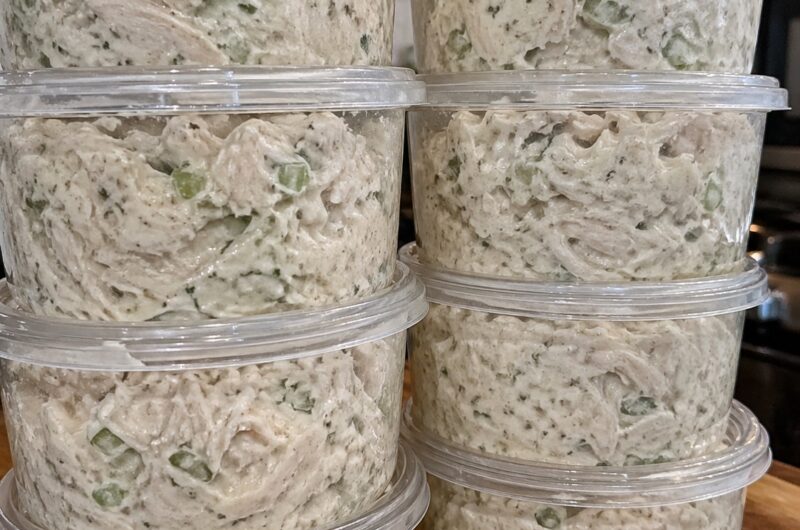
This bowl stores relatively well when separated properly.
Meal Prep Storage Rules
Store dressing separately.
Store toppings separately.
Store avocado separately.
Use airtight containers.
Keep greens dry.
Weekly Meal Prep Example
Sunday Preparation
Cook chicken.
Prepare dressing.
Wash vegetables.
Toast seeds.
Cook quinoa.
Prepare containers.
Daily Assembly
Add greens.
Add vegetables.
Add chicken.
Add dressing.
Add toppings.
Warm Versus Cold Versions
Cold Bowl
Classic version.
Refreshing and crisp.
Warm Bowl
Use warm chicken and grains.
Excellent during winter.
Hybrid Bowl
Warm protein with cold vegetables.
Creates pleasant contrast.
High-Protein Additions in Detail
Eggs
Boiled eggs add richness and protein.
Quinoa
Adds fiber and complete plant protein.
Edamame
Excellent protein and texture.
Cottage Cheese
Adds creaminess and protein.
Turkey Bacon
Adds smoky flavor.
Flavor Variation Collection
Mediterranean Version
Add:
feta
olives
oregano
cucumber
roasted peppers
Southwest Version
Add:
black beans
corn
jalapeños
chipotle dressing
lime
Buffalo Chicken Version
Mix buffalo sauce into dressing.
Add celery and blue cheese.
Caesar-Inspired Version
Use parmesan and anchovy dressing.
Asian-Inspired Version
Use sesame ginger yogurt dressing.
Add cabbage and edamame.
Indian-Inspired Version
Use curry yogurt dressing.
Add cucumber and cilantro.
Mexican-Inspired Version
Add avocado lime crema.
Use chili spices.
Italian Version
Add basil mozzarella tomatoes balsamic glaze.
Healthy Fat Components
Healthy fats improve:
satiety
texture
flavor
nutrient absorption
Good sources include:
avocado
olive oil
nuts
seeds
Greek yogurt
Understanding Satiety
Protein and fiber together create fullness.
This bowl works well because it combines:
protein
healthy fat
fiber
water-rich vegetables
complex textures
Weight Loss Adaptation
Use nonfat Greek yogurt.
Reduce mayonnaise.
Increase vegetables.
Use grilled chicken breast.
Limit croutons.
Muscle Gain Adaptation
Increase chicken portion.
Add quinoa.
Add eggs.
Use full-fat yogurt.
Increase total calories.
Keto Adaptation
Remove chickpeas and corn.
Increase avocado.
Add cheese.
Use extra chicken.
Budget-Friendly Adaptation
Use seasonal vegetables.
Use chicken thighs.
Use homemade yogurt.
Use dried chickpeas.
Skip avocado if expensive.
Premium Gourmet Adaptation
Use herb-marinated grilled chicken.
Add burrata cheese.
Use microgreens.
Use artisan croutons.
Use infused olive oil.
Common Mistakes and Solutions
Dry Chicken
Cause:
Overcooking
Solution:
Use thermometer and rest meat.
Watery Salad
Cause:
Wet vegetables
Solution:
Dry thoroughly.
Bland Flavor
Cause:
Insufficient seasoning
Solution:
Season every layer.
Too Thick Dressing
Cause:
Excess yogurt
Solution:
Thin with milk or lemon juice.
Too Sour Dressing
Cause:
Too much acid
Solution:
Balance with honey or yogurt.
Soggy Meal Prep
Cause:
Early dressing addition
Solution:
Keep dressing separate.
Large Gathering Version
For parties:
Use serving platters.
Offer toppings buffet-style.
Keep dressing on side.
Provide multiple protein options.
Kids-Friendly Version
Reduce onions.
Use mild dressing.
Add shredded cheese.
Serve ingredients separately.
Athlete Recovery Bowl
Increase protein to 60+ grams.
Add quinoa and eggs.
Use electrolyte-rich vegetables.
Office Lunch Version
Pack dressing separately.
Use sturdy greens.
Avoid watery vegetables.
Picnic Version
Use chilled chicken.
Transport dressing separately.
Keep ingredients cold.
Seasonal Adaptations
Spring
peas
radishes
asparagus
fresh herbs
Summer
corn
tomatoes
cucumber
fresh basil
Autumn
apples
pecans
cranberries
roasted squash
Winter
kale
roasted vegetables
warm grains
Fine Dining Presentation Tips
Slice chicken diagonally.
Use contrasting colors.
Avoid overcrowding.
Drizzle dressing artistically.
Use fresh herbs last.
Flavor Pairing Concepts
Chicken pairs well with:
lemon
garlic
mustard
herbs
yogurt
smoked paprika
avocado
pepper
Why Acidity Matters in Rich Dishes
Rich creamy dishes can feel heavy without acid.
Lemon and vinegar keep the bowl lively and refreshing.
Why Crunch Is Essential
Crunch activates sensory contrast.
Without crunch the bowl feels monotonous.
Building a Balanced Bite
The perfect bite often contains:
greens
chicken
dressing
crunch
acid
creaminess
fresh herbs
Serving Temperature Discussion
Cold vegetables preserve crunch.
Warm chicken increases aroma.
Many restaurants intentionally combine both.
Long-Term Meal Prep Strategy
Cook multiple proteins.
Prepare base vegetables.
Rotate dressings weekly.
Swap toppings for variety.
Homemade Healthy Dressing Collection
Lemon Herb Yogurt Dressing
Greek yogurt
lemon
parsley
dill
garlic
Spicy Yogurt Dressing
Greek yogurt
hot sauce
smoked paprika
lime
Ranch Protein Dressing
Greek yogurt
garlic
onion powder
dill
parsley
Garlic Parmesan Dressing
Greek yogurt
parmesan
roasted garlic
black pepper
Avocado Lime Dressing
avocado
Greek yogurt
lime
cilantro
Professional Kitchen Tips
Season salads lightly before dressing.
Dress gradually not excessively.
Use sharp knives for clean vegetable cuts.
Slice chicken against grain.
Chicken Slicing Technique
Always slice against the grain.
This shortens muscle fibers.
Result:
more tender bites
better texture
Extra Protein Crunch Toppers
Roasted edamame
crispy chickpeas
toasted seeds
parmesan crisps
Best Greens Combination
Romaine for crunch
Spinach for softness
Kale for nutrition
Mixed greens for complexity
Hydration and Freshness
Vegetables with high water content improve freshness perception.
Examples:
cucumber
lettuce
tomatoes
Protein Timing Benefits
High-protein meals after workouts help recovery and satiety.
Final Ultimate Serving Method
Place crisp greens into bowl.
Add vegetables in sections.
Arrange sliced warm chicken across center.
Add avocado.
Drizzle creamy dressing.
Scatter seeds and herbs.
Finish with black pepper and lemon squeeze.
Serve immediately.
Final Thoughts
A creamy high-protein chicken salad bowl is far more than a basic salad. When thoughtfully prepared, it becomes a complete balanced meal with rich flavor, excellent nutrition, satisfying texture, and tremendous versatility.
The secret lies in balance:
creamy but fresh
rich but light
healthy but satisfying
simple but layered
Once you understand the principles behind the recipe, you can create endless variations tailored to your goals, preferences, seasons, and ingredients available in your kitchen.
This bowl can become:
a fitness meal
a gourmet lunch
a family dinner
a meal prep staple
a healthy comfort food
or a customizable signature recipe that evolves every time you make it.