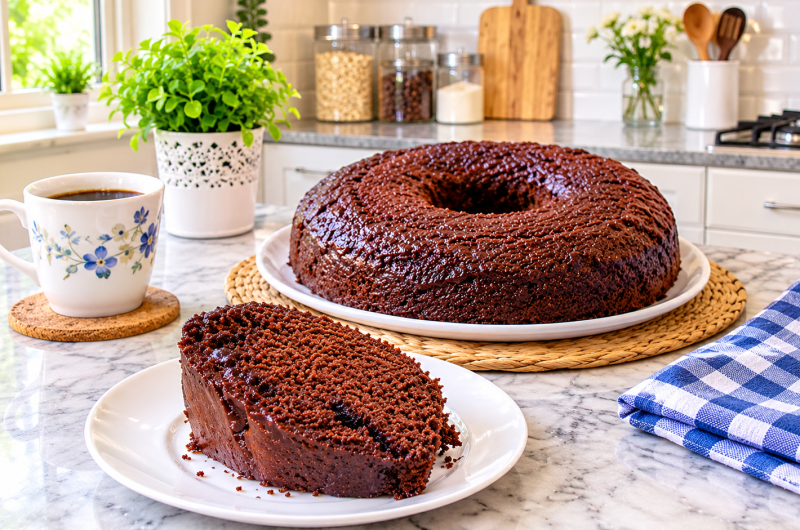
If you love Keto Diabetic chocolate cake but want a dessert that fits a low-carb lifestyle, this keto chocolate cake is a wonderful choice. It features two soft, tender cake layers filled with deep chocolate flavor and covered in a rich, creamy chocolate buttercream.
Made without traditional wheat flour or regular sugar, this homemade cake offers a satisfying alternative to conventional chocolate cakes while keeping the familiar taste and texture that make chocolate desserts so enjoyable.
This low-carb chocolate cake is prepared using almond flour, coconut flour, unsweetened cocoa powder, and a monk fruit sweetener blended with allulose. These ingredients create a delicious cake with a moist crumb and a smooth chocolate finish.
A little hot coffee brings out the cocoa flavor, while coconut milk and avocado oil help keep the cake soft. Whether you are preparing a birthday dessert, a weekend baking treat, or a special occasion cake, this recipe is a delicious option to consider.
Why You’ll Love This Keto Chocolate Cake Recipe
A Rich Chocolate Flavor in Every Bite
Chocolate lovers will appreciate the deep cocoa taste of this sugar-free chocolate cake. Unsweetened cocoa powder gives the cake its rich chocolate character, while hot coffee enhances the flavor without making the finished dessert taste strongly of coffee. The chocolate buttercream adds another layer of indulgence, creating a dessert that feels special and satisfying. Each slice combines soft cake, creamy frosting, and a balanced sweetness that works beautifully for chocolate cravings.
A Soft and Moist Cake Texture
One of the most important qualities of a homemade chocolate cake is its texture. This keto cake uses almond flour, coconut flour, eggs, avocado oil, and coconut milk to create a tender crumb. Almond flour provides a soft, delicate texture, while coconut flour absorbs moisture and helps support the structure of the cake. The combination of oil and coconut milk also contributes to a moist finish, making this cake enjoyable even after it has been stored for a short time.
A Low-Carb Alternative to Traditional Chocolate Cake
Traditional chocolate cakes usually contain wheat flour and a considerable amount of sugar. This keto chocolate cake uses alternative ingredients to reduce its carbohydrate content. Almond flour and coconut flour replace conventional flour, while monk fruit sweetener with allulose replaces regular granulated sugar. These substitutions make the recipe suitable for many people following a ketogenic or low-carbohydrate eating pattern. However, individual dietary needs vary, so anyone managing diabetes should consider portion size and their own nutritional requirements.
A Beautiful Dessert for Special Occasions
A double-layer chocolate cake has an attractive appearance that makes it suitable for birthdays, celebrations, family gatherings, and dinner parties. The smooth chocolate buttercream creates a classic finish, and additional frosting can be piped around the cake for decoration. You can also add fresh berries, shaved dark chocolate, or another low-carb topping to give the cake a more personalized appearance. Even without elaborate decorations, the two-layer structure makes this dessert look impressive on a serving plate.
Ingredients That Make This Almond Flour Chocolate Cake Special
Almond Flour and Coconut Flour
Blanched almond flour is the main flour used in this recipe. It is made from finely ground almonds with their skins removed, producing a lighter texture than ordinary almond meal. For the best results, choose super-fine almond flour rather than coarse almond meal. Coconut flour is included in a smaller amount because it absorbs a significant amount of liquid. Together, these two ingredients create the structure of the cake while keeping it grain-free and suitable for many low-carb baking plans.
Unsweetened Cocoa Powder
Cocoa powder provides the chocolate flavor in the cake. Regular unsweetened cocoa powder is recommended because it works well with the baking soda used in the recipe. It helps produce a pleasant chocolate taste without adding the sweetness found in many prepared cocoa mixes. Dutch-process cocoa powder has a different acidity level and is generally better suited to the frosting in this particular recipe. If you enjoy a stronger chocolate flavor, using a high-quality unsweetened cocoa powder can make a noticeable difference.
Monk Fruit Sweetener with Allulose
Granulated monk fruit sweetener blended with allulose is used in the cake batter. This combination provides sweetness without using regular sugar. Allulose can also help produce a softer texture in low-carb baked goods compared with some erythritol-based sweeteners. For the frosting, powdered monk fruit sweetener with allulose is used because it blends more smoothly into the buttercream. If you only have granulated sweetener, it can be blended into a finer powder before being added to the frosting.
Eggs, Avocado Oil, and Coconut Milk
Room-temperature eggs help the cake batter mix more evenly and contribute to its structure. Avocado oil adds moisture and helps keep the cake tender after baking. Unsweetened full-fat coconut milk provides richness and helps create a soft crumb. These ingredients work together to balance the dry ingredients and prevent the cake from becoming overly dense. Since coconut milk is full-fat and unsweetened, it provides a different flavor and texture from sweetened coconut beverages sold in cartons.
Baking Powder, Baking Soda, Salt, and Vanilla
Baking powder and baking soda help the cake rise during baking. The baking soda reacts with the cocoa and other acidic components, while baking powder provides additional lift. A small amount of fine sea salt enhances the chocolate flavor and balances the sweetness. Vanilla extract contributes a warm, sweet aroma that complements the cocoa. These ingredients may seem simple, but they play an important role in creating a well-balanced chocolate cake with a pleasant flavor and texture.
Hot Coffee for a Deeper Chocolate Taste
Hot coffee is one of the ingredients that gives this keto chocolate cake its distinctive chocolate flavor. It helps bloom the cocoa powder, allowing the chocolate notes to become more pronounced. The coffee also adds moisture to the batter and helps bring the ingredients together. You do not need an expensive coffee or a complicated brewing method. Freshly brewed coffee is suitable, and decaffeinated coffee or hot water can be used if you prefer to avoid caffeine.
Butter, Cocoa Powder, and Cream for the Frosting
The chocolate buttercream is made using softened salted butter, powdered monk fruit sweetener with allulose, unsweetened cocoa powder, vanilla extract, and whipping cream. The butter provides a creamy base, while the powdered sweetener gives the frosting its sweetness. Cocoa powder adds a rich chocolate taste, and whipping cream helps create a smooth consistency. The frosting can be adjusted by adding a little more cream when needed, making it easier to spread over the cake layers.
How to Make Keto Chocolate Cake from Scratch
Step 1: Prepare the Cake Pans and Oven
Begin by preheating your oven to 325°F. Prepare two 8-inch round cake pans by lining their bottoms with parchment paper. You can trace the shape of each pan onto parchment paper and cut out circles that fit neatly inside. A small amount of butter or oil can help the parchment stay in place. Preparing the pans before mixing the batter makes the baking process easier and helps prevent the cake layers from sticking.
Step 2: Combine the Dry Ingredients
Add the almond flour, coconut flour, unsweetened cocoa powder, baking powder, baking soda, and fine sea salt to a large mixing bowl. Whisk the ingredients thoroughly until they are evenly combined. This step is important because low-carb flours and cocoa powder can sometimes contain small lumps. Breaking up those lumps before adding the wet ingredients helps produce a smoother batter and ensures that the leavening ingredients are distributed throughout the cake.
Step 3: Mix the Wet Ingredients
In a separate medium-sized bowl, whisk together the room-temperature eggs, avocado oil, and granulated monk fruit sweetener with allulose. Add the vanilla extract and unsweetened full-fat coconut milk, then continue mixing until the ingredients are combined. Using room-temperature eggs helps them blend more easily with the other ingredients. The wet mixture should be smooth and evenly mixed before it is added to the bowl of dry ingredients.
Step 4: Prepare the Chocolate Cake Batter
Pour the wet ingredients into the dry ingredients and mix until everything is combined. Use a spatula to scrape the sides and bottom of the bowl so that no dry flour remains hidden. The batter will be thicker than a typical wheat flour cake batter at this stage. Slowly add the hot coffee and whisk gently until the mixture becomes thinner and the coffee is fully incorporated. Avoid overmixing once the batter is smooth.
Step 5: Divide the Batter Between the Pans
Carefully divide the prepared chocolate cake batter between the two parchment-lined cake pans. If you want the layers to be as even as possible, you can use a kitchen scale to weigh the batter in each pan. Evenly divided batter helps both layers bake at a similar rate. Gently smooth the surface with a spatula before placing the pans in the oven. This small preparation step can make assembling the finished cake much easier.
Step 6: Bake the Keto Chocolate Cake Layers
Place the cake pans in the preheated oven and bake at 325°F for approximately 22 to 24 minutes. The exact baking time may vary depending on your oven and the cake pans you use. The cakes should rise slightly, and the centers should no longer jiggle. Insert a toothpick into the middle of each cake to check for doneness. If the toothpick comes out clean, or with only a few moist crumbs, the cakes are ready.
Step 7: Cool the Cake Layers Completely
Remove the cake pans from the oven and allow the cakes to rest in the pans for 15 to 20 minutes. This cooling period helps the delicate cake layers become firm enough to handle. Carefully invert each cake onto a cooling rack and remove the parchment paper. Allow the layers to cool completely before adding the frosting. Frosting a warm cake can cause the buttercream to melt, become too soft, or slide away from the sides.
Step 8: Make the Keto Chocolate Buttercream
Place the softened salted butter and powdered monk fruit sweetener with allulose in a mixing bowl. Beat on low speed until the ingredients are incorporated. Add the unsweetened cocoa powder and mix again, scraping down the sides of the bowl as needed. Add the vanilla extract, then increase the mixer speed and beat until the frosting becomes lighter and fluffier. Pour in one tablespoon of whipping cream and continue beating, adding more cream as necessary to reach a smooth, spreadable consistency.
Step 9: Assemble the Double-Layer Cake
Place one completely cooled cake layer on a serving plate or cake stand. Spread a generous amount of chocolate buttercream over the top, creating an even layer that reaches close to the edges. Carefully position the second cake layer on top of the frosting. Make sure the layers are centered so the cake looks balanced. This filling layer adds extra chocolate flavor and helps hold the two cake layers together when the dessert is sliced.
Step 10: Frost and Decorate the Cake
Spread the remaining chocolate buttercream over the top and sides of the assembled cake. An offset spatula is helpful for creating a smooth finish, although a regular spatula can also work. If you have extra frosting, place it in a piping bag and add decorative swirls around the top or sides. You can finish the cake with fresh berries, shaved dark chocolate, or another topping that suits your preferences and dietary needs.
Expert Tips for the Best Low-Carb Chocolate Cake
Choose the Right Cocoa Powder
For the cake itself, regular unsweetened cocoa powder is the recommended choice. It works well with the baking soda and contributes to the cake’s rise. Although Dutch-process cocoa powder can work in some circumstances because the recipe uses two leavening agents, regular cocoa powder is the preferred option. Dutch-process cocoa is particularly useful for the frosting, where its deeper chocolate flavor can create a smooth and indulgent buttercream.
Avoid Frosting the Cake While It Is Warm
Allowing the cake layers to cool completely is one of the most important steps in this recipe. Warm cake can soften the buttercream and make it difficult to spread evenly. It may also cause the layers to shift while assembling the cake. If you are preparing the cake for a special event, allow enough time for cooling before decorating. A completely cooled cake is easier to handle and gives the frosting a much better finish.
Make Sure the Cake Is Fully Baked
The cake should rise slightly during baking, and the center should not wobble when the pan is gently moved. A toothpick inserted into the center is a useful way to check doneness. If it comes out with wet batter, the cake needs more baking time. Check again after a short interval rather than leaving the cake in the oven for too long. Overbaking can cause low-carb cakes to become dry because alternative flours behave differently from wheat flour.
Use the Correct Sweetener Consistency
The recipe uses granulated monk fruit sweetener with allulose for the cake batter and powdered sweetener for the frosting. The powdered version is important because it helps the buttercream become smooth rather than grainy. If you only have granulated sweetener, you can blend it into a fine powder before using it. Sweetener blends vary in sweetness and texture, so using a suitable one-to-one sugar replacement is a helpful starting point.
Ingredient Substitutions for Keto Chocolate Cake
Avocado Oil Alternatives
Avocado oil can be replaced with olive oil or melted coconut oil if needed. These alternatives provide moisture and help create a tender cake. A neutral-flavored oil is often a good choice when you want the chocolate flavor to remain the main focus. If using coconut oil, allow it to cool slightly after melting so that it does not become too hot when combined with the eggs. Keep the quantity consistent with the original recipe.
Coconut Milk Alternatives
Unsweetened full-fat coconut milk contributes richness and moisture to the cake. If you do not have coconut milk available, heavy cream diluted with a small amount of water or half-and-half can be used as an alternative. These substitutions will change the flavor and nutritional profile slightly. For readers who prefer a dairy-free version, coconut milk is a useful ingredient because it provides creaminess without using dairy products in the cake batter.
Coffee Alternatives
Coffee enhances the chocolate flavor, but it is not essential for anyone who prefers not to use it. Decaffeinated coffee can be used if you want to avoid caffeine while retaining a similar flavor. Hot water is another option and will still provide the liquid needed for the batter. Keep the quantity the same when making this substitution. The finished cake may have a slightly different chocolate intensity, but it can still be delicious.
Low-Carb Sweetener Alternatives
Different low-carb sweeteners can be used in this recipe, provided they are suitable for baking and have a similar sweetness level. A one-to-one sugar replacement is a useful guideline. Sweeteners containing allulose often produce a softer cake texture, while erythritol-based blends may create a slightly firmer or drier crumb. Sweeteners can also vary in aftertaste, so choosing one that you enjoy is important when preparing a dessert you plan to serve to others.
Keto Chocolate Cake Topping Ideas
Sugar-Free Chocolate Buttercream
The chocolate buttercream included in this recipe is a classic choice for finishing the cake. It complements the cocoa flavor in the cake layers and provides a creamy contrast to the soft crumb. You can use a generous layer between the cakes and spread the remaining frosting over the top and sides. If you enjoy decorative cakes, extra buttercream can be piped into swirls, borders, or simple patterns.
Cream Cheese Frosting
A low-carb cream cheese frosting can provide a slightly tangy flavor that balances the richness of chocolate. It is a suitable alternative for people who prefer a less buttery topping. Make sure the frosting is prepared using ingredients that fit your dietary preferences. Since cream cheese frosting can have a different consistency from chocolate buttercream, adjust the preparation method to achieve a texture that spreads easily across the cake.
Peanut Butter or Strawberry Frosting
Peanut butter frosting can add a nutty flavor that pairs beautifully with chocolate. Strawberry frosting offers a fruity contrast and makes the cake feel suitable for spring celebrations or birthdays. If you choose a flavored frosting, consider using a sugar-free or low-carb version to maintain the recipe’s intended carbohydrate profile. You can also add a thin layer of low-carb strawberry jam between the cake layers for a sweet and fruity variation.
Fresh Berries and Chocolate Decorations
Fresh berries are an attractive topping for a chocolate cake. Strawberries, raspberries, and blueberries provide color and a refreshing contrast to the richness of the buttercream. Shaved dark chocolate or suitable sugar-free chocolate chips can also be sprinkled over the cake. Keep in mind that toppings add to the overall nutritional values, so the nutrition information provided in the recipe card may change when additional ingredients are included.
Is Keto Chocolate Cake Suitable for Diabetics?
Understanding the Ingredients
This keto chocolate cake is made with low-carb flours and a sugar substitute instead of conventional wheat flour and regular sugar. These ingredients can help reduce the carbohydrate content compared with a traditional chocolate cake. However, the recipe still contains carbohydrates, and its nutritional values depend on the ingredients and serving size. A dessert made with a low-carb sweetener should not automatically be considered suitable for every person managing diabetes.
Portion Size and Blood Sugar Considerations
People with diabetes may respond differently to foods depending on their individual health needs, medications, and meal plans. Although this cake is described as blood sugar-friendly in the source recipe, that does not guarantee that it will have no effect on blood glucose. The nutritional information can be useful when planning a portion, but it is important to follow individual medical advice. Anyone who monitors blood glucose should consider how this dessert fits into their overall eating pattern.
How to Store Keto Chocolate Cake
Storing the Cake at Room Temperature
The source recipe suggests storing the cake in an airtight container at room temperature or covering it and keeping it in the refrigerator. Because the cake contains a buttercream frosting made with butter and cream, refrigeration is generally the more cautious choice for food safety, especially in a warm kitchen. If you choose to keep the cake at room temperature for serving, avoid leaving it out for extended periods and follow appropriate food-safety guidance.
Refrigerating the Chocolate Cake
Place the cake in an airtight cake container or cover it carefully before refrigerating. This helps prevent the cake from absorbing odors from other foods and keeps the frosting from drying out. When you are ready to serve it, allow the slices to sit briefly at room temperature so the buttercream becomes softer. Refrigeration can make butter-based frosting firm, so a short resting period often improves the texture.
Freezing the Cake
The cake layers can be prepared ahead of time and frozen before frosting. Once the layers have cooled completely, wrap them securely to help protect them from freezer odors and moisture loss. Thaw the cake layers before assembling and decorating. If freezing a fully frosted cake, use a suitable airtight container and allow it to thaw carefully in the refrigerator. The texture of the frosting may change slightly after freezing.
Frequently Asked Questions About Keto Chocolate Cake
Can I Make This Keto Chocolate Cake in 9-Inch Pans?
Yes, the source recipe notes that 9-inch cake pans can be used instead of two 8-inch pans. Because the batter will be spread across a larger surface area, the layers may be slightly thinner and bake more quickly. Reduce the baking time by approximately five minutes as a starting point, then check the cakes for doneness using a toothpick. Avoid relying only on the timer, as oven temperatures can vary.
Can I Make the Cake Without Coffee?
Yes. If you do not want to use coffee, you can replace it with hot water or decaffeinated coffee. Coffee is included to enhance the chocolate flavor rather than to create a coffee-flavored cake. Using hot water will still provide the liquid needed for the batter. The cake may have a slightly less intense chocolate flavor, but it can still be a satisfying dessert for chocolate lovers.
Why Is My Keto Chocolate Cake Dry?
A dry cake can result from overbaking, using a different flour, or measuring the ingredients incorrectly. Coconut flour absorbs a large amount of liquid, so adding extra coconut flour can change the texture significantly. Make sure to use the ingredient quantities listed in the recipe card and check the cake before the end of the baking time. Using a suitable sweetener blend and allowing the cake to cool properly can also help improve the final texture.
Can I Make This Cake Dairy-Free?
The cake batter itself uses unsweetened coconut milk rather than dairy milk, making it suitable for a dairy-free variation. However, the chocolate buttercream contains salted butter and whipping cream. To make the entire cake dairy-free, you would need to use a suitable dairy-free frosting made with ingredients that fit your dietary requirements. The source recipe also mentions using a dairy-free chocolate frosting as an option.
Can I Prepare the Cake Ahead of Time?
Yes. The cake layers can be baked in advance and allowed to cool completely before being stored. You can prepare the frosting separately and assemble the cake closer to serving time. Preparing the layers ahead can make the decorating process easier, especially if you are making the cake for a birthday or gathering. Store the cake properly to help preserve its moisture and flavor.
What Is the Best Way to Serve Keto Chocolate Cake?
This cake can be served on its own or with a small amount of fresh berries. A cup of unsweetened tea or coffee makes a pleasant accompaniment. For a more decorative presentation, add a few fresh raspberries or strawberries to each slice. If you are serving the cake as part of a celebration, you can also use additional frosting or sugar-free chocolate decorations to make the dessert look more festive.
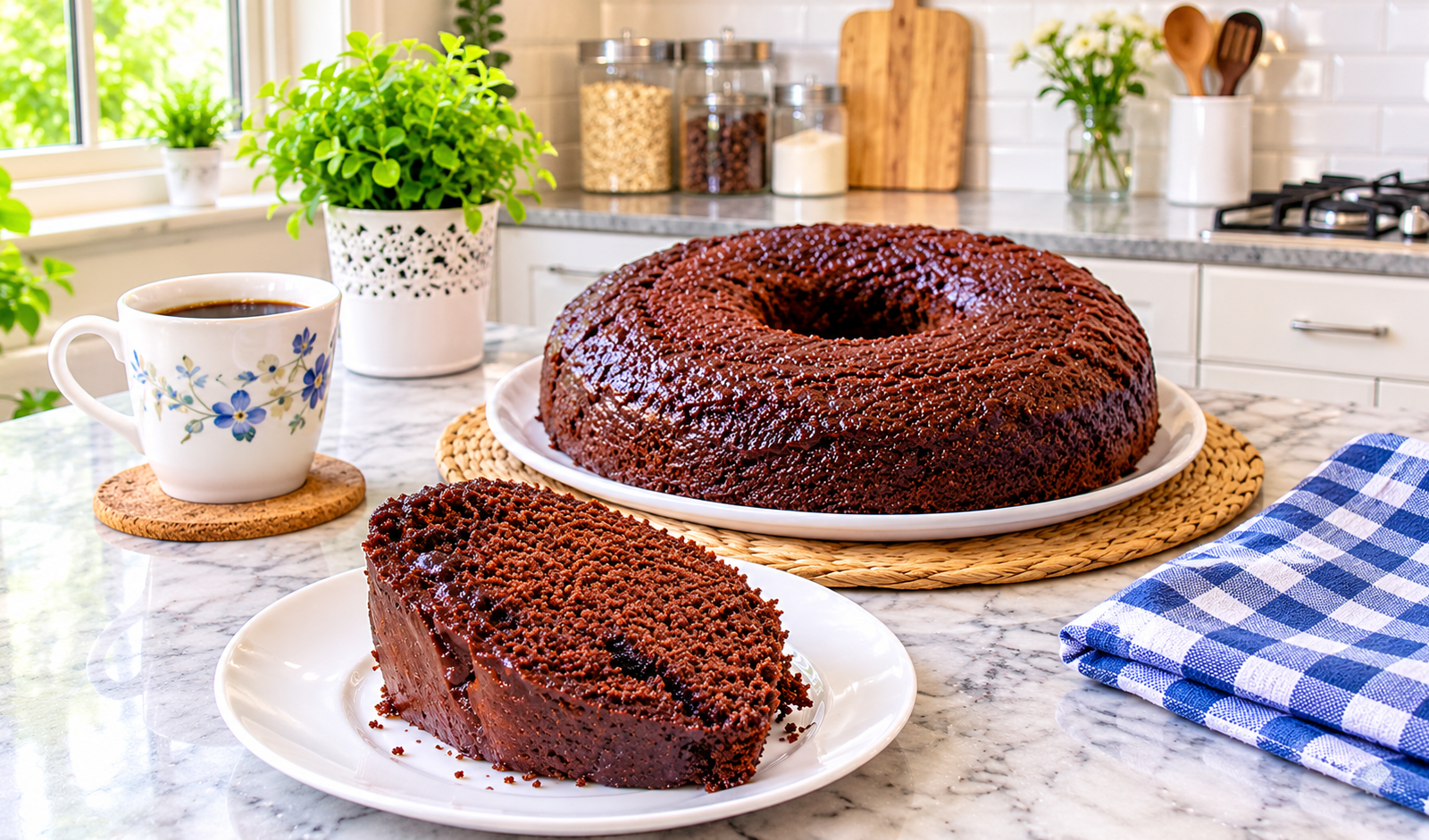
Keto Diabetic Cake
This keto diabetic cake is a moist, tender, double-layer chocolate dessert made with almond flour, coconut flour, and monk fruit sweetener with allulose.
10
servings20
minutes20
minutes337
kcal60
minutes1
hour40
minutesIngredients
- For the Chocolate Cake
1½ cups (136 g) blanched almond flour
3 tablespoons (18 g) coconut flour
⅔ cup (50 g) unsweetened cocoa powder
2 teaspoons baking powder
1 teaspoon baking soda
¼ teaspoon fine sea salt
4 eggs, at room temperature
⅓ cup avocado oil
¾ cup (155 g) granulated monk fruit sweetener with allulose
1 teaspoon vanilla extract
⅓ cup unsweetened full-fat coconut milk (canned)
½ cup + 2 tablespoons hot coffee
- For the Keto Chocolate Buttercream Frosting
1 cup salted butter, softened to room temperature
1¼ to 1½ cups powdered monk fruit sweetener with allulose (plus more as needed)
⅔ cup unsweetened cocoa powder
1 teaspoon vanilla extract
1–3 tablespoons whipping cream
Directions
- Preheat your oven to 325°F. Line two 8-inch cake pans with parchment paper and lightly grease them with butter or oil.
- In a large mixing bowl, whisk together the almond flour, coconut flour, cocoa powder, baking powder, baking soda, and sea salt until evenly combined.
- In a separate bowl, whisk the eggs, avocado oil, and granulated monk fruit sweetener. Add the vanilla extract and coconut milk, mixing until smooth.
- Pour the wet mixture into the dry ingredients. Mix until combined, scraping down the sides of the bowl. Add the hot coffee and whisk gently until the batter is smooth and slightly thinner.
- Divide the batter evenly between the prepared cake pans. Bake at 325°F for 22–24 minutes, or until the cakes have risen and a toothpick inserted into the center comes out clean.
- Allow the cakes to cool in their pans for 15–20 minutes. Carefully turn them out onto cooling racks and let them cool completely before frosting.
- Beat the softened butter and powdered monk fruit sweetener on low speed. Add the cocoa powder and mix until combined. Add the vanilla extract and beat until fluffy. Gradually add the whipping cream until the frosting reaches a smooth, spreadable consistency.
- Place one cake layer on a serving plate. Spread a generous layer of chocolate buttercream over it, then position the second cake layer on top.
- Cover the top and sides of the cake with the remaining chocolate buttercream. Smooth the frosting with a spatula and decorate with additional frosting, fresh berries, or shaved dark chocolate if desired.
- Allow the cake to settle before slicing. Serve as a dessert or special occasion treat.
Notes
- Cocoa powder: Regular unsweetened cocoa powder is recommended for the cake. Dutch-process cocoa powder can work in a pinch, but regular cocoa powder is preferred.
- Cake pan size: Two 9-inch cake pans can be used instead of 8-inch pans. Reduce the baking time by approximately five minutes and check for doneness.
- Oil substitution: Avocado oil can be replaced with olive oil or melted coconut oil.
- Coffee substitution: Use decaffeinated coffee or hot water if you prefer a caffeine-free cake.
- Coconut milk substitution: Heavy cream diluted with a splash of water or half-and-half can be used instead.
- Sweetener: Choose a suitable one-to-one low-carb sweetener. Allulose blends generally provide a softer texture than erythritol-based blends.
- Frosting consistency: Add whipping cream gradually until the buttercream becomes smooth and easy to spread.
- Storage: Store the cake in an airtight container. Refrigeration is recommended for the buttercream-frosted cake, particularly in warm conditions.
- Diabetes-friendly note: This cake uses low-carb ingredients, but it still contains carbohydrates. Individual blood glucose responses vary, so consider portion size and personal dietary guidance.
Nutrition Facts
10 servings per container
- Amount Per ServingCalories340
- % Daily Value *
- Total Fat
31g
40%
- Total Carbohydrate
10g
4%
- Total Sugars 13g
- Protein 7g 14%
* The % Daily Value tells you how much a nutrient in a serving of food contributes to a daily diet. 2,000 calories a day is used for general nutrition advice.