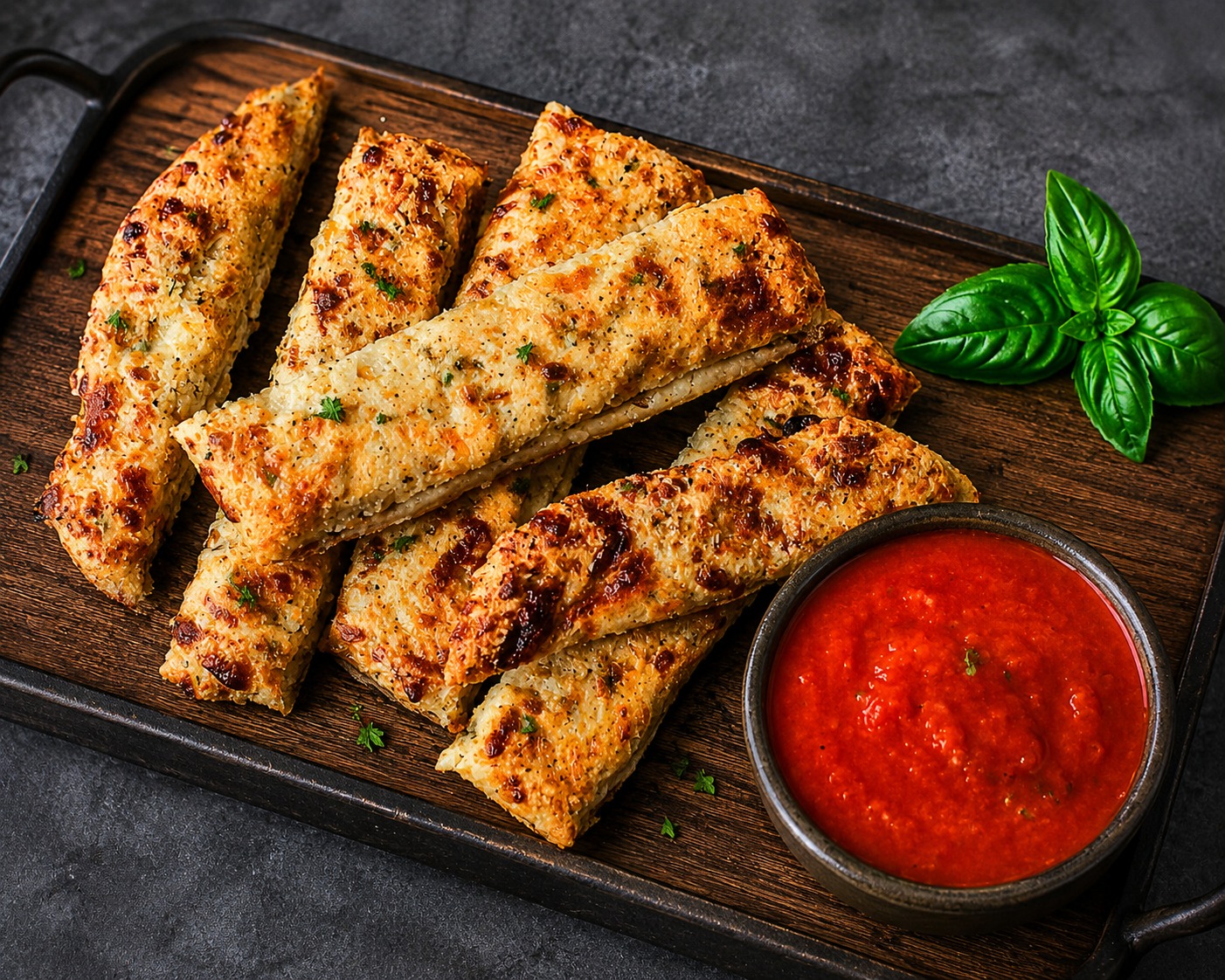
Freshly baked breadsticks have a way of making any meal feel complete. Whether served with a bowl of soup, a fresh salad, or a favorite pasta dish, warm breadsticks are always welcome at the table. This homemade version offers the same comforting taste with a slightly different approach. Instead of relying only on traditional flour, these breadsticks include cottage cheese and almond flour, creating a soft texture while adding extra protein to every serving.
I enjoy making these breadsticks whenever I want something homemade without spending hours in the kitchen. There is no yeast to activate, no dough to knead for a long time, and no waiting for it to rise. Everything comes together in one mixing bowl, making this recipe easy enough for both busy weekdays and relaxed weekends.
The finished breadsticks have a lightly crisp exterior with a tender, cheesy center. The combination of mozzarella, Parmesan, and Italian seasoning gives them plenty of flavor without requiring a long list of ingredients. They are satisfying on their own, but they also pair beautifully with many family meals.
Why This Recipe Works So Well
- One of the biggest advantages of this recipe is its simplicity. Every ingredient serves a purpose, creating breadsticks that are flavorful, soft, and easy to prepare.
- Unlike traditional breadsticks that depend entirely on yeast and extended proofing time, this dough uses baking powder for lift. That means the dough can go straight from the mixing bowl to the baking tray.
- Cottage cheese provides moisture throughout the dough, helping the breadsticks stay soft after baking. It also contributes protein, making these breadsticks a more balanced option than many classic versions.
- The combination of almond flour and all-purpose flour creates an enjoyable texture. Almond flour keeps the inside tender, while all-purpose flour provides enough structure for the breadsticks to hold their shape during baking.
- The addition of mozzarella creates little pockets of melted cheese throughout the bread, while Parmesan brings a rich, slightly salty flavor that complements the herbs perfectly.
What Makes These Breadsticks Different?
- Many homemade bread recipes require several stages of preparation, including kneading, rising, shaping, and proofing. This recipe skips all of those extra steps while still producing breadsticks that are soft, flavorful, and satisfying.
- The dough is mixed in just a few minutes before being shaped into a single loaf. As it bakes, the outside turns beautifully golden while the inside remains tender.
- Another benefit is the versatility of the dough. Although this recipe is shaped into breadsticks, the same mixture can easily be formed into different styles depending on the meal you are preparing.
- The mild flavor also allows the cheeses and herbs to stand out without becoming overwhelming.
Ingredients You’ll Need
- This recipe uses everyday ingredients that work together to produce a balanced texture and rich flavor.
- 2% Cottage Cheese
- Cottage cheese is the main ingredient in the dough. It provides moisture while helping create a soft interior. It also contributes protein without making the bread heavy.
- Almond Flour
- Almond flour gives the breadsticks a tender crumb and a subtle nutty flavor. It also helps balance the moisture from the cottage cheese.
- All-Purpose Flour
- Adding all-purpose flour provides the structure needed for shaping the dough. It helps the breadsticks bake evenly and gives them a familiar bread-like texture.
- Baking Powder
- Since this recipe does not use yeast, baking powder is responsible for helping the dough rise during baking.
- Italian Seasoning
- Italian seasoning adds gentle herbal flavor throughout the breadsticks. It pairs especially well with the cheeses.
- Sea Salt
- A small amount of salt enhances the overall flavor and balances the richness of the cheese.
- Shredded Mozzarella Cheese
- Mozzarella melts beautifully while baking, giving the breadsticks their soft, cheesy texture.
- Grated Parmesan Cheese
- Parmesan adds extra flavor and creates a lightly golden finish on top.
Preparing the Dough
- One of the easiest parts of this recipe is mixing everything together.
- Start by gathering all of the measured ingredients before beginning. Having everything ready makes the process quick and smooth.
- Add the cottage cheese to a large mixing bowl first. Then add the almond flour, all-purpose flour, baking powder, Italian seasoning, and sea salt.
- Using a sturdy spoon or spatula, mix everything together until the ingredients begin forming a thick dough.
- Once the dough has mostly come together, gently fold in the shredded mozzarella and grated Parmesan cheese. Continue mixing just until the cheeses are evenly distributed.
- The dough should feel thick and easy to shape. It should not be runny or overly dry.
Shaping Before Baking
- Prepare a baking sheet by lining it with parchment paper. This helps prevent sticking and makes cleanup much easier.
- Transfer the dough onto the prepared baking sheet.
- Using clean hands or a spatula, gently press the dough into a loaf approximately one inch thick. There is no need to shape individual breadsticks at this stage.
- Keeping the loaf at an even thickness helps everything bake evenly from edge to center.
- Once shaped, the dough is ready for the oven.
Baking Tips
- Bake the loaf in a preheated oven until the surface becomes beautifully golden brown.
- About halfway through baking, use a sharp knife to lightly score the top of the loaf into breadstick-sized sections. Do not cut all the way through the dough. These shallow cuts simply make it easier to separate the breadsticks after baking while also creating a classic pull-apart appearance.
- As the bread bakes, the cheese melts into the dough while the herbs become fragrant. The edges begin turning lightly crisp, creating a pleasant contrast with the soft interior.
- The exact baking time may vary slightly depending on individual ovens, so watch for a golden surface and a firm center rather than relying only on the clock.
- The aroma filling the kitchen is often the first sign that the breadsticks are almost ready.
Cooling Before Slicing
Once the bread has finished baking, remove the tray from the oven and place it on a wire rack. Although it may be tempting to cut into it immediately, allowing it to cool completely makes a noticeable difference.
As the loaf cools, the cheese settles and the crumb firms up slightly, making the breadsticks much easier to separate. Cutting while the bread is still very hot can cause the inside to become compressed or crumble apart. A little patience helps achieve neat, even breadsticks with the perfect texture.
After cooling, follow the scored lines made during baking and gently separate the loaf into individual breadsticks.
Texture and Flavor
- These breadsticks have a balance of textures that makes them enjoyable with almost any meal.
- The outside develops a light golden crust that offers just a slight crispness, while the inside remains soft and moist. Every bite contains melted mozzarella along with the rich, savory flavor of Parmesan and Italian herbs.
- The cottage cheese blends into the dough during baking, so it doesn’t create noticeable curds. Instead, it contributes moisture and richness, resulting in breadsticks that stay tender even after they have cooled.
- Because the seasoning is mild, these breadsticks pair well with a variety of dishes without overpowering them.
Serving Ideas
- These breadsticks are versatile enough to be enjoyed in many different ways.
- For a simple snack, serve them warm with a small bowl of marinara sauce, tomato sauce, or homemade pizza sauce for dipping. The combination of melted cheese and warm tomato sauce makes a comforting appetizer or afternoon snack.
- They also make an excellent side for homemade soups. Creamy soups, vegetable soups, and tomato-based soups all pair well with the soft, cheesy breadsticks.
- Fresh salads become more satisfying when served alongside warm bread. A crisp green salad with grilled chicken or other lean protein creates a balanced meal with very little effort.
- On pasta night, these breadsticks fit naturally beside baked pasta, spaghetti, or creamy pasta dishes. Their cheesy flavor complements tomato sauces as well as cream-based sauces.
- They can even be enjoyed on their own with a little melted butter or an extra sprinkle of Parmesan for a quick bite between meals.
Helpful Tips for Success
A few simple techniques can make this recipe even better.
- Measure the flour carefully to avoid making the dough too dry.
- Stir the ingredients only until everything is combined. Overmixing isn’t necessary.
- Shape the dough into an even thickness so it bakes uniformly.
- Scoring the loaf halfway through baking makes separating the breadsticks much easier later.
- Allow the bread to cool fully before slicing.
- For crispier edges, bake for a few extra minutes until the top reaches a deeper golden color.
These small details help create breadsticks with the best texture and appearance.
Easy Flavor Variations
- Although the original recipe is delicious as written, it can easily be customized while keeping the same simple preparation method.
- Adding a small amount of garlic powder to the dough creates a classic garlic bread flavor that pairs especially well with Italian meals.
- A sprinkle of everything bagel seasoning before baking gives the breadsticks a more savory finish and adds extra texture to the crust.
- Sesame seeds can also be scattered over the top before baking for a light crunch.
- For those who enjoy stronger cheese flavors, slightly increasing the Parmesan on top before baking creates an even richer golden crust.
Freezing Instructions
- For longer storage, these breadsticks freeze well.
- Wrap individual breadsticks or the entire batch tightly before placing them in a freezer-safe bag or container.
- Properly wrapped, they can be frozen for up to three months.
- Labeling the container with the freezing date makes it easier to keep track of freshness.
- When needed, remove only the number of breadsticks you plan to eat and return the remaining ones to the freezer.
Reheating
- These breadsticks taste best when reheated until warm.
- For the best texture, place them in the oven for a few minutes until heated through. This helps restore the lightly crisp exterior while keeping the inside soft.
- An air fryer also works well and quickly refreshes the breadsticks without drying them out.
- While a microwave can be used for convenience, the breadsticks may become softer rather than lightly crisp.
Ingredient Substitutions
This recipe is flexible enough to accommodate a few ingredient changes while maintaining good results.
- Full-fat cottage cheese can replace 2% cottage cheese for a richer flavor.
- Ricotta cheese may be used instead of cottage cheese, producing a slightly milder and creamier texture.
- Greek yogurt can also work if cottage cheese is unavailable, although the finished bread will have a different flavor profile.
- Oat flour may replace almond flour for a nut-free option.
- Whole wheat flour can replace all-purpose flour if a heartier texture is preferred.
- A 1:1 gluten-free baking blend may also be used in place of the all-purpose flour.
- Oregano and basil together can replace Italian seasoning if needed.
- Cheddar or provolone can be substituted for mozzarella to create a different cheese flavor.
- Asiago or Pecorino Romano can replace Parmesan for a sharper finish.
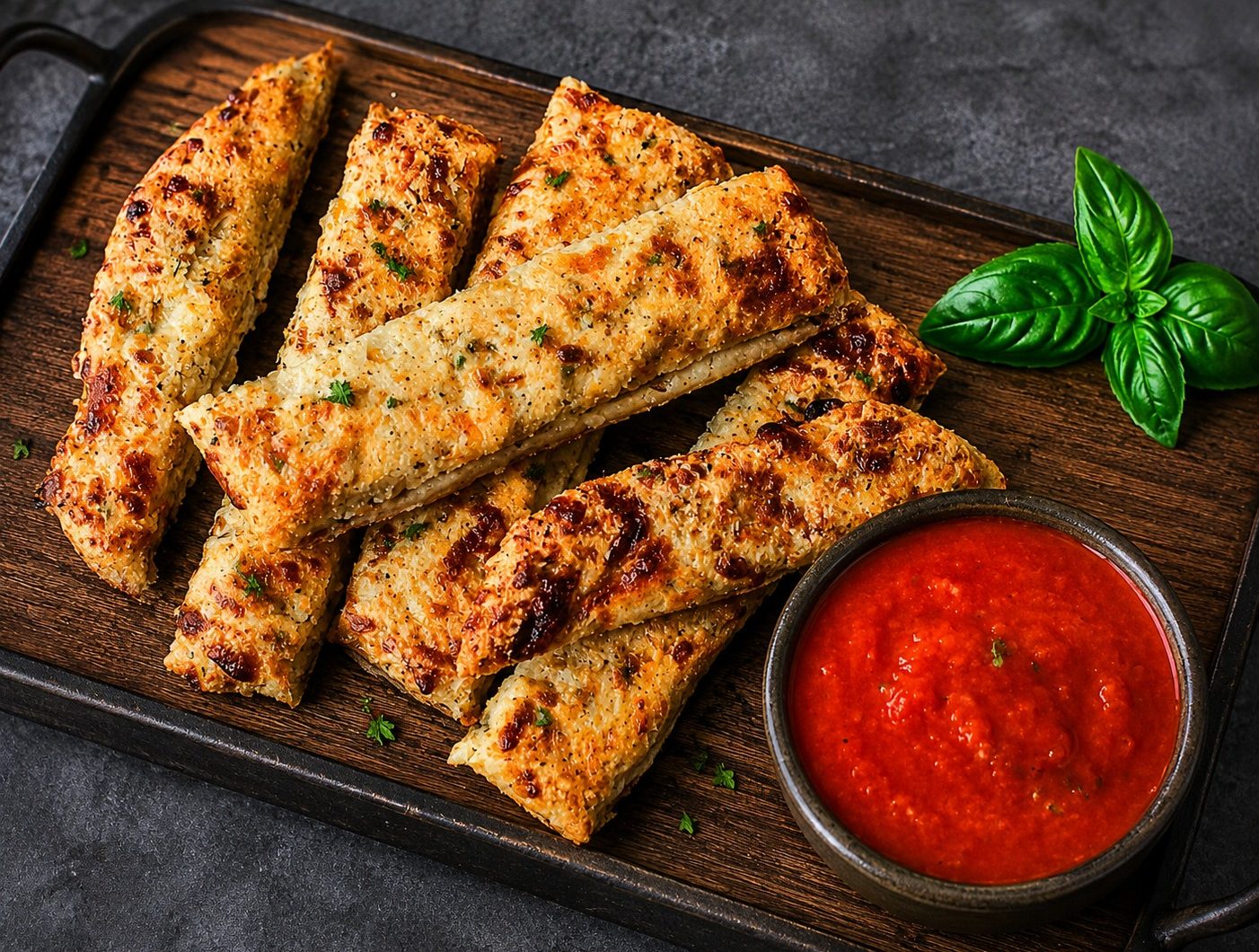
High-Protein Cottage Cheese Sticks
These homemade cottage cheese breadsticks are soft, cheesy, and lightly golden on the outside with a tender center. Made with simple ingredients, they are a delicious high-protein option for serving alongside soups, salads, pasta, or enjoying as a snack.
6
servings5
minutes20
minutes152
kcal25
minutesIngredients
1 cup 2% cottage cheese
½ cup almond flour
½ cup all-purpose flour
½ teaspoon baking powder
½ teaspoon Italian seasoning
¼ teaspoon sea salt
⅓ cup shredded mozzarella cheese
¼ cup grated Parmesan cheese
Directions
- Preheat the oven to 350°F (175°C) and line a baking sheet with parchment paper.
- In a large bowl, combine the cottage cheese, almond flour, all-purpose flour, baking powder, Italian seasoning, and sea salt until a thick dough forms.
- Fold in the mozzarella and Parmesan cheese until evenly mixed.
- Transfer the dough to the prepared baking sheet and shape it into a loaf about 1 inch thick.
- Bake for 20–30 minutes, or until the top is golden brown and the center is fully cooked. Halfway through baking, lightly score the loaf into breadstick portions with a sharp knife.
- Remove from the oven and let the bread cool completely before separating into breadsticks.
Notes
- For crispier edges, bake for a few extra minutes until deeply golden.
- Allow the bread to cool before slicing for the best texture.
- Store leftovers in an airtight container in the refrigerator for up to 5 days or freeze for up to 3 months. Reheat in the oven or air fryer before serving.
Nutrition Facts
- Serving Size: 1 g
- Total number of serves: 6
- Calories: 152kcal
- Fat: 8g
- Saturated Fat: 2g
- Polyunsaturated Fat: 0.1g
- Monounsaturated Fat: 1g
- Cholesterol: 8mg
- Sodium: 238mg
- Potassium: 11mg
- Carbohydrates: 11g
- Fiber: 2g
- Sugar: 1g
- Protein: 10g
- Vitamin A: 75mcg
- Vitamin C: 0.003mg
- Calcium: 129mg
- Iron: 1mg