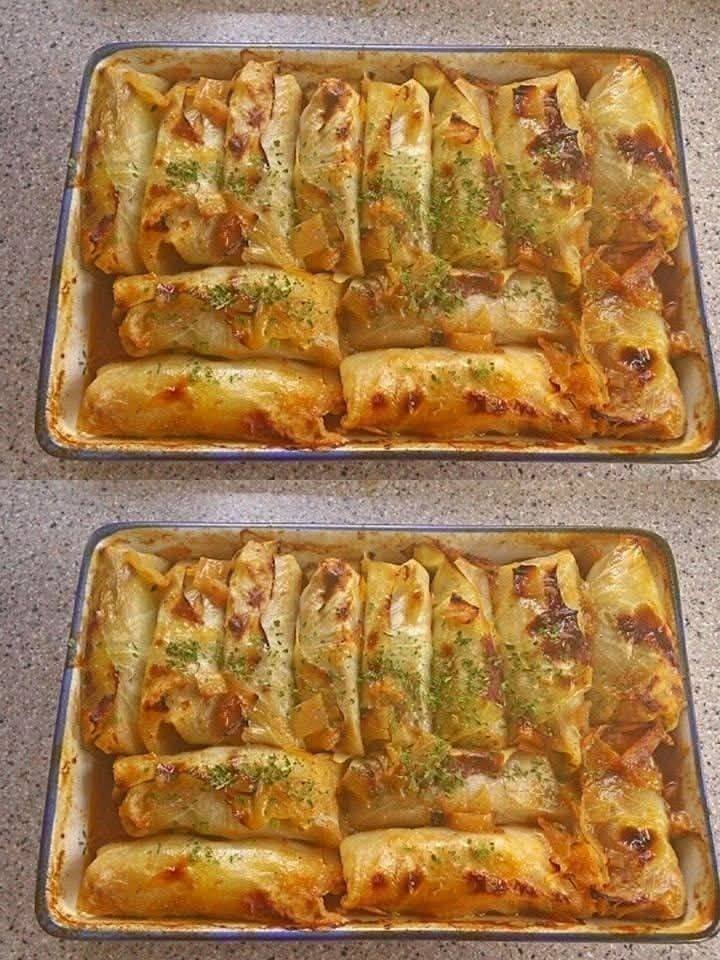
Homemade Stuffed Cabbage Rolls are one of the most beloved comfort foods found in kitchens around the world. Known by many different names depending on the region, these delicious rolls combine tender cabbage leaves with a flavorful filling of meat, rice, herbs, and spices, all slowly cooked in a rich tomato sauce until every bite is infused with deep savory flavor. This dish is often associated with family gatherings, holiday meals, and traditional home cooking because it requires care, patience, and attention to detail. The result is a meal that feels both hearty and comforting while also showcasing simple ingredients transformed into something truly special.
The beauty of stuffed cabbage rolls lies in their versatility. Every family has its own version. Some recipes use only beef, while others combine beef and pork. Some include fresh herbs, while others rely on dried seasonings. Some are baked in the oven, while others are simmered slowly on the stovetop. Regardless of the method, the essence remains the same: soft cabbage wrapped around a flavorful filling and cooked in a rich sauce until everything becomes tender and delicious.
This detailed recipe walks through every stage of preparation, from selecting the best cabbage to creating a deeply flavorful tomato sauce and achieving perfectly cooked cabbage rolls.
Yield
Makes approximately 14 to 16 large cabbage rolls
Serves 8 to 10 people generously
Preparation Time
Preparing the cabbage: 30 minutes
Preparing the filling: 20 minutes
Preparing the sauce: 25 minutes
Assembling the rolls: 30 minutes
Cooking time: 1 hour 45 minutes to 2 hours
Total time: Approximately 3½ to 4 hours
Choosing the Best Ingredients
The quality of your ingredients significantly affects the final dish.
When selecting cabbage, choose a large green cabbage with tightly packed leaves and a fresh appearance. The leaves should be vibrant and free from discoloration.
For the meat, a combination of ground beef and ground pork creates excellent flavor and moisture. The pork contributes richness while the beef provides hearty texture.
Long-grain white rice is ideal because it remains tender without becoming overly sticky.
Fresh herbs add brightness and complexity. Parsley and dill are particularly traditional and pair beautifully with cabbage and tomato sauce.
Good-quality canned tomatoes provide consistency and rich flavor, especially when fresh tomatoes are not in season.
Ingredients for the Cabbage
1 large green cabbage weighing approximately 3 pounds
Water for blanching
1 tablespoon salt
Ingredients for the Filling
1 pound ground beef
1 pound ground pork
1 cup uncooked long-grain white rice
2 medium onions, finely diced
6 cloves garlic, minced
3 tablespoons fresh parsley, chopped
2 tablespoons fresh dill, chopped
2 teaspoons paprika
1 teaspoon dried thyme
1 teaspoon dried oregano
1½ teaspoons salt
1 teaspoon black pepper
2 large eggs
¼ cup milk
2 tablespoons tomato paste
Ingredients for the Tomato Sauce
3 tablespoons olive oil
2 medium onions, finely chopped
5 cloves garlic, minced
2 large cans crushed tomatoes, 28 ounces each
2 tablespoons tomato paste
2 cups beef broth
1 cup tomato juice
2 tablespoons brown sugar
1 tablespoon Worcestershire sauce
1 tablespoon paprika
2 teaspoons dried basil
2 teaspoons dried oregano
1½ teaspoons salt
1 teaspoon black pepper
2 bay leaves
Optional Additional Vegetables
1 carrot, grated
1 celery stalk, finely diced
1 red bell pepper, finely chopped
These vegetables enrich the sauce and provide additional flavor.
Step 1: Preparing the Cabbage
Fill a very large stockpot with water and bring it to a boil.
Add the tablespoon of salt.
Carefully remove any damaged outer leaves from the cabbage.
Using a sharp knife, cut around the core to loosen it slightly.
Place the cabbage into the boiling water.
After several minutes, the outer leaves will begin softening.
Use tongs to gently remove softened leaves one at a time.
Transfer the leaves to a large baking sheet or tray.
Continue removing leaves as they soften.
Repeat until you have 14 to 16 large leaves suitable for rolling.
Allow the leaves to cool.
Using a small knife, carefully shave down the thick center rib on each leaf. This makes rolling much easier and prevents tearing.
Reserve any extra cabbage leaves.
These can be placed in the bottom of the baking dish later.
Step 2: Cooking the Rice
Rinse the rice thoroughly under cold water until the water runs mostly clear.
Cook according to package directions but reduce the cooking time slightly.
The rice should be partially cooked because it will continue cooking inside the cabbage rolls.
Drain and cool completely.
Never add hot rice directly to the meat mixture because it can affect the texture.
Step 3: Creating the Filling
Place the ground beef and ground pork into a large mixing bowl.
Add:
Cooked rice
Diced onions
Garlic
Parsley
Dill
Paprika
Thyme
Oregano
Salt
Black pepper
Eggs
Milk
Tomato paste
Mix gently until evenly combined.
Avoid overworking the meat mixture.
Overmixing can create a dense texture.
The filling should feel moist but not wet.
Cover and refrigerate while preparing the sauce.
Step 4: Building the Tomato Sauce
Heat olive oil in a large Dutch oven or saucepan over medium heat.
Add onions.
Cook slowly for approximately 8 minutes until softened and translucent.
Add garlic.
Cook for another minute.
Add tomato paste.
Cook for 2 minutes while stirring continuously.
This step deepens the tomato flavor.
Add crushed tomatoes.
Pour in beef broth and tomato juice.
Add:
Brown sugar
Worcestershire sauce
Paprika
Basil
Oregano
Salt
Black pepper
Bay leaves
Bring to a gentle simmer.
Reduce heat.
Cook uncovered for approximately 30 minutes.
Stir occasionally.
The sauce should thicken slightly and develop a rich aroma.
Taste and adjust seasoning if needed.
Remove bay leaves before using.
Step 5: Preparing the Baking Dish
Spread a layer of sauce across the bottom of a large baking dish or Dutch oven.
Place several extra cabbage leaves on the bottom.
These leaves help prevent sticking and add additional flavor.
Spread another thin layer of sauce over the cabbage.
Step 6: Forming the Rolls
Place one cabbage leaf flat on a work surface.
Position about ⅓ to ½ cup filling near the base of the leaf.
Fold the sides inward.
Roll tightly from the bottom upward.
The finished roll should be compact and secure.
Place seam-side down in the prepared dish.
Continue until all filling has been used.
Arrange the rolls closely together.
Keeping them snug helps maintain their shape during cooking.
Step 7: Layering and Saucing
Once all rolls are assembled, pour the remaining sauce evenly over them.
The sauce should almost completely cover the rolls.
If needed, add a little extra broth.
Cover with additional cabbage leaves if desired.
Cover the dish tightly with a lid or aluminum foil.
Step 8: Baking the Rolls
Preheat oven to 350°F (175°C).
Place the covered dish into the oven.
Bake for approximately 1 hour and 45 minutes.
For exceptionally tender cabbage rolls, continue baking for up to 2 hours.
The long cooking time allows the cabbage to soften completely and the flavors to blend beautifully.
Remove from oven.
Allow to rest for at least 15 minutes before serving.
Understanding the Slow Cooking Process
One of the secrets to outstanding cabbage rolls is patience.
During cooking, several important changes occur.
The cabbage becomes silky and tender.
The rice absorbs flavor from both the meat and sauce.
The tomato sauce thickens and develops sweetness.
The herbs infuse the filling.
The meat remains moist because it cooks slowly inside the cabbage wrapper.
This gradual transformation is what gives stuffed cabbage rolls their unique texture and flavor.
Traditional Serving Suggestions
Stuffed cabbage rolls pair beautifully with many side dishes.
Mashed potatoes provide a creamy contrast.
Buttered noodles complement the rich tomato sauce.
Fresh bread is perfect for soaking up extra sauce.
Steamed vegetables add freshness.
Roasted carrots create natural sweetness.
A simple cucumber salad balances the richness.
Many people enjoy serving cabbage rolls with a spoonful of sour cream on top.
The cool creaminess pairs wonderfully with the warm tomato sauce.
Make-Ahead Instructions
Stuffed cabbage rolls are ideal for preparing in advance.
You may assemble the rolls completely one day before cooking.
Store them covered in the refrigerator overnight.
Bake the following day.
Many cooks believe cabbage rolls taste even better after resting overnight because the flavors have additional time to develop.
Freezing Before Cooking
Prepare and assemble the rolls.
Place in a freezer-safe dish.
Cover with sauce.
Wrap tightly.
Freeze for up to three months.
Thaw overnight in the refrigerator before baking.
Freezing After Cooking
Allow cooked cabbage rolls to cool completely.
Transfer to airtight containers.
Freeze for up to three months.
Reheat gently in the oven at 325°F until thoroughly heated.
Common Mistakes to Avoid
Do not skip softening the cabbage properly.
Tough leaves can tear during rolling.
Avoid overfilling the leaves.
Excess filling can cause rolls to burst.
Do not use excessively lean meat.
Some fat is necessary for moisture and flavor.
Avoid rushing the cooking process.
Low and slow cooking produces the best texture.
Do not forget to season the sauce adequately.
The sauce contributes much of the final flavor.
Flavor Variations
Garlic Lover’s Version
Double the garlic in both the filling and sauce.
Herb-Rich Version
Increase fresh parsley and dill.
Add fresh thyme and chives.
Smoky Version
Add smoked paprika and a small amount of cooked bacon.
Vegetable-Enriched Version
Mix grated carrots, mushrooms, and zucchini into the filling.
Spicy Version
Add crushed red pepper flakes and hot paprika.
Rustic Country Version
Mix chopped sauerkraut into the sauce.
This creates deeper flavor and pleasant acidity.
Professional Tips for Restaurant-Quality Results
Always cool the cabbage leaves before rolling.
Use freshly chopped herbs whenever possible.
Simmer the sauce long enough to develop depth.
Arrange rolls tightly together.
Allow the finished dish to rest before serving.
Prepare the dish one day ahead when possible.
Use a heavy Dutch oven for even heat distribution.
Taste every component separately before assembly.
Season generously but thoughtfully.
Cook slowly and patiently.
Final Thoughts
Homemade Stuffed Cabbage Rolls represent the very best of traditional comfort food. Every component contributes something important: the tender cabbage provides structure and sweetness, the seasoned meat and rice filling creates heartiness, and the slow-cooked tomato sauce ties everything together with richness and depth. Although the process requires time and care, the reward is a spectacular homemade meal that fills the kitchen with wonderful aromas and delivers incredible flavor in every bite.
Whether served for a family dinner, holiday gathering, special occasion, or simply as a comforting weekend project, these homemade stuffed cabbage rolls offer a timeless combination of tradition, nourishment, and unforgettable taste that has remained popular across generations for good reason.