Introduction
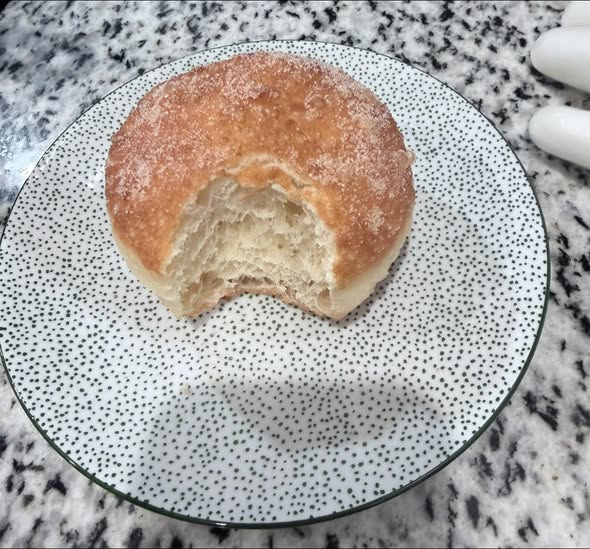
Bomboloni are traditional Italian filled doughnuts known for their incredibly soft texture, rich flavor, delicate crust, and light airy crumb. Unlike standard doughnuts made with commercial yeast, naturally leavened bomboloni rely on an active sourdough starter for fermentation and rise. This method develops far deeper flavor, improved digestibility, longer shelf life, and a luxurious texture that commercial yeast cannot fully replicate.
Naturally leavened bomboloni require patience, careful fermentation, proper gluten development, and attention to dough temperature. The reward is extraordinary: doughnuts with a feather-light interior, subtle complexity, creamy aroma, and balanced sweetness.
This comprehensive recipe explains every stage in great detail, including ingredient functions, fermentation science, dough development, shaping, proofing, frying, filling, troubleshooting, and storage. The process spans approximately two days, though much of the time is inactive fermentation.
Yield
Approximately 18 to 22 medium bomboloni depending on size
Total Timeline
Day 1 Morning or Afternoon:
Prepare sweet stiff levain
Day 1 Evening:
Mix dough and bulk ferment
Day 1 Night:
Cold retard dough overnight
Day 2 Morning:
Shape and proof
Day 2 Afternoon:
Fry, fill, and finish
Ingredients for Sweet Stiff Levain
60 g active sourdough starter at peak activity
120 g bread flour
55 g water
25 g sugar
Purpose of the Sweet Stiff Levain
A sweet stiff levain is commonly used in enriched naturally leavened doughs. The lower hydration and sugar content train the yeast to work efficiently in sweet buttery dough. This levain develops strength while minimizing excessive acidity.
Signs of Properly Matured Levain
The levain should:
Double or slightly more in volume
Smell mildly sweet and creamy
Have a domed top
Feel elastic internally
Not collapse before use
Levain Fermentation Time
At 24–26°C:
Approximately 4 to 6 hours
At cooler temperatures:
6 to 8 hours or longer
Main Dough Ingredients
All mature sweet stiff levain
500 g strong bread flour
100 g whole milk, cold or room temperature
120 g eggs, lightly beaten
80 g caster sugar
8 g salt
1 teaspoon vanilla paste or extract
1 tablespoon honey
120 g unsalted butter, softened
Zest of 1 lemon
Zest of 1 orange
5 g diastatic malt powder optional
Oil for frying
Optional Flavor Additions
1 tablespoon rum
1 tablespoon orange blossom water
1 teaspoon cinnamon
Fresh vanilla bean seeds
Suggested Fillings
Vanilla pastry cream
Chocolate pastry cream
Hazelnut cream
Pistachio cream
Apricot jam
Raspberry jam
Lemon curd
Mascarpone cream
Diplomat cream
Salted caramel cream
For Finishing
Caster sugar
Powdered sugar
Fine granulated sugar
Understanding the Role of Each Ingredient
Bread Flour
Strong flour with higher protein supports extended fermentation and enriched dough structure. The gluten network must be strong enough to trap fermentation gases despite heavy butter and sugar content.
Milk
Milk contributes tenderness, sweetness, protein, and color. The fats and lactose improve softness and browning.
Eggs
Eggs enrich the dough with fat, protein, emulsifiers, and moisture. They create a luxurious crumb and golden interior.
Sugar
Sugar sweetens the dough, feeds fermentation, assists browning, and improves shelf life.
Salt
Salt strengthens gluten and balances flavor. It also moderates fermentation speed.
Butter
Butter creates softness, richness, and silky texture. It must be incorporated gradually to avoid weakening the dough.
Honey
Honey supports moisture retention and enhances flavor complexity.
Citrus Zest
Traditional bomboloni often contain lemon or orange zest for aromatic freshness.
Diastatic Malt
Optional but useful for fermentation support and improved browning.
Step 1: Build the Sweet Stiff Levain
Combine active starter, flour, sugar, and water in a bowl.
Mix thoroughly until a stiff dough forms.
Knead lightly until smooth.
Place into a small covered container.
Mark the starting level.
Allow to ferment until doubled.
The levain should feel elastic and airy internally. If the levain becomes too acidic or collapses completely, the final dough may ferment slowly and lose structure.
Step 2: Prepare Ingredients
Before mixing:
Measure everything accurately
Soften butter to cool room temperature
Lightly beat eggs
Prepare citrus zest
Ensure levain is mature
Temperature matters greatly. Ideally the final dough temperature after mixing should be around 24–26°C.
Step 3: Initial Dough Mixing
In the mixing bowl combine:
Flour
Milk
Eggs
Sugar
Honey
Vanilla
Citrus zest
Mature levain
Mix until no dry flour remains.
Allow dough to rest for 20 to 30 minutes. This short rest hydrates flour and begins gluten formation naturally.
Step 4: Develop Gluten
After resting, begin kneading.
Add salt.
Continue mixing until moderate gluten development forms.
The dough will initially appear sticky and rough. Continue patiently.
Signs of developing gluten:
Smoother texture
Elasticity
Cleaner bowl sides
Improved strength
Step 5: Incorporate Butter
Add softened butter gradually in small pieces.
Do not add all butter at once.
Wait until each addition is absorbed before adding more.
This process may take 10 to 20 minutes depending on mixing method.
The dough may temporarily separate or appear greasy. Continue mixing gently until it becomes smooth and cohesive again.
Properly mixed dough should:
Be glossy
Stretch thinly without tearing
Feel soft yet strong
Pass a windowpane test
Step 6: Bulk Fermentation
Transfer dough into a lightly greased container.
Cover well.
Bulk ferment at approximately 24–26°C.
Perform one gentle fold after 60 minutes if dough seems slack.
Expected bulk fermentation:
3 to 5 hours depending on starter strength and temperature
The dough should increase noticeably in volume though not necessarily double fully because enriched dough ferments more slowly.
Signs bulk fermentation is complete:
Puffy appearance
Visible air bubbles
Smooth expanded structure
Slight jiggle when container moves
Step 7: Cold Retard
Place covered dough into refrigerator overnight.
Cold fermentation improves:
Flavor
Handling
Structure
Frying performance
Recommended cold retard:
8 to 16 hours
Longer fermentation can produce excessive acidity.
Step 8: Prepare Work Surface
The next day lightly flour the work surface.
Remove chilled dough from refrigerator.
The dough should feel cool, airy, and elastic.
If extremely stiff, allow 15 to 20 minutes at room temperature before rolling.
Step 9: Roll the Dough
Roll dough gently to approximately 1.2 to 1.5 cm thickness.
Avoid excessive flour.
Maintain even thickness throughout.
Uneven rolling leads to uneven frying.
If dough resists rolling:
Rest 10 minutes
Continue gradually
Step 10: Cut Bomboloni
Use a round cutter approximately 7 to 8 cm wide.
Cut rounds cleanly without twisting cutter excessively.
Arrange rounds on parchment-lined trays.
Leave sufficient space between pieces.
Gather scraps carefully and reroll once if desired.
Excess rerolling tightens dough and reduces softness.
Step 11: Final Proof
Cover doughnuts lightly with plastic or cloth.
Proof at warm room temperature:
24–27°C ideal
Expected proof time:
3 to 6 hours depending on fermentation strength
Naturally leavened enriched dough proofs slowly.
Properly proofed bomboloni should:
Appear puffy
Feel airy
Wobble slightly when tray shakes
Spring back slowly when gently pressed
Underproofed doughnuts become dense.
Overproofed doughnuts may collapse during frying.
Step 12: Prepare Frying Oil
Use neutral frying oil such as:
Sunflower oil
Canola oil
Peanut oil
Fill heavy pot with sufficient oil depth.
Ideal frying temperature:
170–175°C
Temperature control is critical.
Too hot:
Dark exterior
Raw interior
Too cool:
Greasy doughnuts
Oil absorption
Use a thermometer for consistency.
Step 13: Fry the Bomboloni
Carefully transfer proofed doughnuts into hot oil.
Fry only a few at a time.
Avoid overcrowding.
Fry approximately:
1½ to 2 minutes per side
Bomboloni should expand beautifully and develop golden color.
Use chopsticks or spider strainer for gentle turning.
Correct frying characteristics:
Light golden brown
Even coloration
Distinct white ring around center
The white ring indicates proper proofing and frying.
Drain fried doughnuts on paper towels or wire rack.
Step 14: Sugar Coating
While still slightly warm:
Roll bomboloni in caster sugar
Or dust later with powdered sugar.
Warm doughnuts hold sugar more effectively.
Step 15: Prepare Filling
Vanilla Pastry Cream Example
500 g milk
1 vanilla bean or vanilla paste
100 g sugar
4 egg yolks
40 g cornstarch
30 g butter
Heat milk and vanilla.
Whisk yolks, sugar, and cornstarch separately.
Temper hot milk into yolk mixture.
Cook until thickened.
Finish with butter.
Cool completely before use.
Chocolate Pastry Cream Variation
Add:
120 g dark chocolate to hot pastry cream
Pistachio Cream Variation
Fold pistachio paste into cooled pastry cream.
Step 16: Fill the Bomboloni
Use piping bag fitted with filling nozzle.
Insert nozzle into side or bottom.
Pipe filling gently until doughnut feels heavier.
Do not overfill excessively.
Properly filled bomboloni should remain light yet generously creamy.
Texture Expectations
Exterior:
Thin delicate crust
Interior:
Extremely soft
Feathery
Moist
Airy
Rich yet light
Flavor:
Mild tang from natural fermentation
Buttery richness
Citrus aroma
Balanced sweetness
Advanced Fermentation Notes
Why Enriched Dough Ferments Slowly
Butter and sugar inhibit fermentation by:
Reducing water availability
Coating gluten strands
Slowing yeast activity
Therefore naturally leavened enriched dough always requires:
Strong starter
Warm environment
Patience
Ideal Starter Characteristics
Your sourdough starter should:
Rise predictably
Double within 4 to 6 hours
Smell pleasantly fermented
Contain strong yeast activity
Weak starters produce dense doughnuts.
How Dough Temperature Affects Results
Cold dough:
Slower fermentation
Tighter crumb
Warm dough:
Faster proofing
Risk of overfermentation
Target dough temperature:
24–26°C
Humidity Considerations
Dry environments may form skin during proofing.
To prevent this:
Cover dough carefully
Maintain humidity
Importance of Gluten Development
Strong gluten supports:
Gas retention
Expansion
Lightness
Underdeveloped gluten creates:
Dense texture
Poor rise
Oil absorption
Signs of Perfect Final Proof
When gently touched:
Indent slowly springs back
Surface feels airy
Dough jiggles softly
This stage is essential for obtaining the classic bomboloni ring.
Troubleshooting Guide
Problem: Dough Too Sticky
Possible causes:
Weak flour
Insufficient mixing
Warm butter
Overhydration
Solutions:
Chill dough
Strengthen mixing
Use stronger flour
Problem: Dense Doughnuts
Possible causes:
Weak starter
Underproofing
Poor gluten development
Solutions:
Strengthen starter
Extend proofing
Improve kneading
Problem: Excessive Oil Absorption
Possible causes:
Low frying temperature
Underproofed dough
Weak structure
Solutions:
Maintain oil temperature
Allow fuller proof
Improve dough strength
Problem: Doughnuts Collapse During Frying
Possible causes:
Overproofing
Weak gluten
Solutions:
Shorten proof
Use stronger flour
Problem: Pale Color
Possible causes:
Low sugar
Low frying temperature
Solutions:
Adjust temperature
Increase sugar slightly
Professional Techniques
Using Prefermented Flour Ratios
Experienced bakers often use:
15–25% prefermented flour
This balances:
Flavor
Fermentation speed
Strength
Double Levain Builds
For highly enriched dough:
Two-stage levain builds can improve yeast strength.
Tangzhong Addition
Some bakers add cooked flour paste for even softer texture.
Example:
25 g flour
125 g milk
Cook until thick.
Cool before mixing.
Benefits:
Longer softness
Improved moisture retention
Enhanced shreddable crumb
Cold Proof Variation
Some professionals shape bomboloni before refrigeration.
Advantages:
Flexible timing
Enhanced flavor
Disadvantages:
Risk of overproofing
Preferred Flour Characteristics
Protein:
12–14%
Strong gluten quality improves:
Volume
Lightness
Structure
Oil Management During Frying
Maintain consistent temperature.
Allow oil recovery between batches.
Skim debris regularly.
Old oil negatively affects flavor and color.
Traditional Italian Serving Style
Bomboloni are commonly:
Filled after frying
Served fresh
Coated in sugar
Enjoyed warm
Popular fillings in Italy include:
Crema pasticcera
Chocolate
Apricot jam
Storage Recommendations
Best consumed same day.
However naturally leavened bomboloni remain soft longer than commercial yeast versions.
Store unfilled bomboloni:
Room temperature
Covered loosely
Up to 24 hours
Filled bomboloni:
Refrigerate depending on filling
Reheat briefly before serving.
Freezing Instructions
Freeze unfilled bomboloni after frying.
Cool completely first.
Freeze airtight.
Thaw and warm before filling.
Scaling the Recipe
For larger batches:
Maintain dough temperature carefully.
Large enriched doughs heat quickly during mixing.
Commercial bakeries often divide dough into smaller batches for better control.
Flavor Variations
Vanilla Bean Bomboloni
Increase vanilla content significantly.
Chocolate Bomboloni
Add cocoa powder replacing part of flour.
Citrus Bomboloni
Increase lemon and orange zest.
Coffee Bomboloni
Add espresso powder to dough.
Spiced Bomboloni
Include cinnamon, cardamom, and nutmeg.
Honey Bomboloni
Replace some sugar with floral honey.
Common Beginner Mistakes
Using immature starter
Rushing fermentation
Adding butter too quickly
Underproofing before frying
Incorrect oil temperature
Overcrowding fryer
Adding excessive flour during shaping
Ignoring dough temperature
Why Naturally Leavened Bomboloni Taste Better
Natural fermentation develops:
Organic acids
Alcohols
Esters
Complex aromatic compounds
These create:
Deeper flavor
Creamier aroma
Balanced sweetness
Better texture
Commercial yeast doughnuts often taste simpler and flatter by comparison.
The Science Behind the White Ring
The white ring forms because:
Center rises above oil surface during frying
The exposed band remains lighter
A strong ring indicates:
Good proofing
Proper frying
Strong gluten structure
Professional Bakery Timing Example
7:00 AM:
Build levain
1:00 PM:
Mix dough
2:00 PM:
Bulk fermentation begins
6:00 PM:
Refrigerate dough
8:00 AM next day:
Roll and cut
9:00 AM:
Begin final proof
1:00 PM:
Fry and fill
This schedule can vary greatly depending on starter activity and temperature.
Final Thoughts
Naturally leavened bomboloni are among the most rewarding sourdough pastries to master. They combine the complexity of artisan bread fermentation with the indulgence of enriched pastry. The process demands patience, observation, and precision, but the final result is exceptional: deeply flavorful doughnuts with elegant texture and remarkable softness.
Mastery comes through repetition and learning how dough behaves under different temperatures, fermentation conditions, and flour strengths. Every batch teaches valuable lessons about fermentation, gluten structure, shaping, and frying.
When made correctly, naturally leavened bomboloni possess qualities impossible to achieve with shortcuts: aromatic depth, delicate chew, rich tenderness, and extraordinary freshness.