Introduction
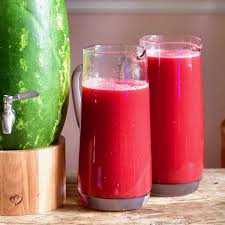
Watermelon juice is one of the most refreshing, hydrating, naturally sweet, and easy-to-make beverages in the world. It is especially popular during hot summer months because it cools the body, refreshes the mind, and provides instant hydration. Fresh homemade watermelon juice is far superior to packaged drinks because it contains no preservatives, no artificial coloring, and no unnecessary chemicals. The natural sweetness of ripe watermelon alone is often enough to create an incredibly delicious drink.
This extensive guide covers everything in complete detail, including:
- History and background
- Ingredient selection
- Watermelon varieties
- Step-by-step preparation
- Traditional methods
- Modern methods
- Flavor variations
- Expert techniques
- Storage methods
- Serving suggestions
- Nutritional details
- Health benefits
- Common mistakes
- Advanced recipes
- Restaurant-style methods
- Large-batch preparation
- Frequently asked questions
- Creative serving ideas
- Seasonal adaptations
- Culinary science behind watermelon juice
This is a complete and detailed watermelon juice master guide for beginners and experienced cooks alike.
Chapter 1: Understanding Watermelon
What Is Watermelon?
Watermelon is a large fruit that belongs to the Cucurbitaceae family, which also includes cucumbers, pumpkins, and melons. It is believed to have originated in Africa thousands of years ago and later spread throughout Asia, Europe, and the Americas.
Watermelon is known for:
- High water content
- Juicy flesh
- Sweet flavor
- Refreshing texture
- Cooling properties
It is commonly consumed fresh, but it is also used in:
- Juices
- Smoothies
- Popsicles
- Salads
- Desserts
- Sorbets
- Mocktails
Chapter 2: Why Homemade Watermelon Juice Is Better
Advantages of Homemade Juice
1. No Preservatives
Store-bought juices often contain chemicals and preservatives. Homemade juice contains only natural ingredients.
2. Better Flavor
Fresh watermelon has a vibrant flavor that packaged drinks cannot match.
3. Customizable Sweetness
You can control sugar levels completely.
4. More Nutritious
Fresh juice preserves vitamins and antioxidants better.
5. Budget-Friendly
Making juice at home is often cheaper.
6. Cleaner Ingredients
You know exactly what goes into your drink.
Chapter 3: Nutritional Properties of Watermelon
Major Nutrients
Watermelon contains:
- Vitamin C
- Vitamin A
- Potassium
- Magnesium
- Lycopene
- Citrulline
- Antioxidants
Water Content
Watermelon contains approximately 90–92% water, making it one of the most hydrating fruits available.
Calories
Watermelon is relatively low in calories compared to many sugary beverages.
Approximate nutritional values per cup:
- Calories: 45–50
- Water: High
- Fat: Very low
- Fiber: Moderate
- Natural sugars: Present
Chapter 4: Choosing the Perfect Watermelon
Selecting a sweet watermelon is one of the most important steps.
Signs of a Good Watermelon
1. Field Spot
A creamy yellow field spot indicates ripeness.
2. Weight
Heavy watermelon means more juice.
3. Sound Test
A hollow sound usually indicates ripeness.
4. Surface Texture
A dull surface is better than shiny skin.
5. Shape
Symmetrical shape indicates even growth.
Mistakes While Buying
Avoid:
- Soft spots
- Cracks
- Mold
- Extremely shiny skin
- Lightweight melons
Chapter 5: Ingredients for Basic Watermelon Juice
Core Ingredients
- 8 cups watermelon cubes
- 1 tablespoon lemon juice
- Ice cubes
- Sugar or honey if needed
Optional Ingredients
- Mint leaves
- Ginger
- Black salt
- Chaat masala
- Basil
- Coconut water
- Lime juice
- Orange juice
Chapter 6: Equipment Needed
You do not need fancy equipment.
Basic Tools
- Knife
- Cutting board
- Blender
- Bowl
- Glasses
- Spoon
Optional Tools
- Fine mesh strainer
- Citrus juicer
- Ice crusher
- Cocktail shaker
- High-speed blender
Chapter 7: Preparing the Watermelon
Washing the Watermelon
Always wash thoroughly before cutting.
This prevents contamination from the outer surface.
Cutting Method
Step 1
Place watermelon on cutting board.
Step 2
Slice both ends.
Step 3
Cut into halves.
Step 4
Cut into wedges.
Step 5
Remove rind.
Step 6
Cube the flesh.
Removing Seeds
Seedless watermelon is convenient, but seeded varieties often taste sweeter.
Remove black seeds carefully.
Small white seeds are usually harmless.
Chapter 8: Chilling the Fruit
Cold watermelon produces the best juice.
Refrigeration Method
Store cubes in refrigerator for:
- 1–3 hours
Freezing Method
Freeze cubes for:
- Slushies
- Frozen drinks
- Smoothies
Chapter 9: Basic Watermelon Juice Recipe
Ingredients
- 8 cups watermelon cubes
- 1 tablespoon lemon juice
- 1 tablespoon sugar (optional)
- Ice cubes
Instructions
Step 1: Add Watermelon to Blender
Place cubes into blender jar.
Step 2: Blend
Blend until smooth.
Usually takes 30–60 seconds.
Step 3: Add Lemon Juice
Lemon brightens flavor.
Step 4: Taste
Adjust sweetness if needed.
Step 5: Strain
Optional for smoother texture.
Step 6: Serve
Pour into chilled glasses.
Serve immediately.
Chapter 10: Restaurant-Style Watermelon Juice
Restaurants often use techniques that improve texture and flavor.
Professional Techniques
Use Extra Cold Fruit
This improves consistency.
Add Citrus
Small amount of citrus enhances sweetness.
Balance Salt
Tiny pinch of salt intensifies flavor.
Strain Twice
Creates silky texture.
Chapter 11: Traditional South Asian Watermelon Juice
This variation is popular in Pakistan and India.
Ingredients
- Watermelon
- Black salt
- Lemon juice
- Roasted cumin powder
- Ice
Method
Blend all ingredients.
Serve chilled.
This creates a sweet-spicy-tangy flavor.
Chapter 12: Middle Eastern Style Watermelon Juice
This version often includes herbs.
Ingredients
- Watermelon
- Mint
- Rose water
- Lime
Characteristics
- Fragrant
- Cooling
- Lightly floral
Chapter 13: Mediterranean Watermelon Cooler
Ingredients:
- Watermelon
- Basil
- Sparkling water
- Lime
This version is refreshing and elegant.
Chapter 14: Watermelon Mint Juice
Mint and watermelon pair beautifully.
Ingredients
- Watermelon
- Mint leaves
- Lemon juice
- Ice
Instructions
Blend briefly.
Avoid over-blending mint.
Chapter 15: Watermelon Ginger Juice
Ginger adds complexity.
Benefits
- Warm flavor
- Digestive support
- Mild spice
Method
Blend watermelon with small ginger piece.
Strain if desired.
Chapter 16: Watermelon Coconut Cooler
This tropical version is excellent in hot weather.
Ingredients
- Watermelon
- Coconut water
- Lime
Flavor Profile
- Light
- Tropical
- Hydrating
Chapter 17: Frozen Watermelon Slush
Ingredients
- Frozen watermelon cubes
- Ice
- Lemon
Method
Blend until slushy.
Serve immediately.
Chapter 18: Watermelon Smoothie
Additional Ingredients
- Yogurt
- Banana
- Honey
Creates creamy texture.
Chapter 19: Watermelon Mocktail
Ingredients
- Watermelon juice
- Sparkling water
- Lime
- Mint
Excellent for gatherings.
Chapter 20: Watermelon Juice Science
Why Watermelon Blends Easily
Watermelon has high moisture content and soft cellular structure.
Why Lemon Improves Flavor
Acidity balances sweetness.
Why Salt Enhances Sweetness
Salt suppresses bitterness and intensifies natural sugars.
Chapter 21: Advanced Flavor Pairings
Watermelon pairs well with:
- Mint
- Basil
- Ginger
- Lime
- Lemon
- Strawberry
- Pineapple
- Orange
- Cucumber
Chapter 22: Watermelon and Herbs
Mint
Cooling and refreshing.
Basil
Earthy and aromatic.
Rosemary
Strong herbal flavor.
Thyme
Savory touch.
Chapter 23: Watermelon Juice for Parties
Large Batch Recipe
Ingredients
- 2 large watermelons
- Lemon juice
- Ice
- Mint
Instructions
Blend in batches.
Store in pitchers.
Serve cold.
Chapter 24: Decorative Serving Ideas
Glass Rim Decoration
Use sugar or salt rims.
Fruit Garnishes
- Watermelon wedges
- Lemon slices
- Mint sprigs
Fancy Ice Cubes
Freeze mint leaves inside ice cubes.
Chapter 25: Watermelon Popsicles
Ingredients
- Watermelon juice
- Honey
- Lemon juice
Freeze in molds.
Chapter 26: Watermelon Ice Cubes
Freeze juice into cubes.
Use later in smoothies.
Chapter 27: Watermelon Sorbet
Blend frozen watermelon with lemon.
Freeze until firm.
Chapter 28: Watermelon Salad Drink Hybrid
Combine juice with cucumber and herbs.
Creates refreshing savory drink.
Chapter 29: Health Benefits
Hydration
Excellent for hydration.
Antioxidants
Contains lycopene.
Skin Health
Vitamin C supports collagen production.
Muscle Recovery
Contains citrulline.
Heart Health
Antioxidants may support cardiovascular health.
Chapter 30: Watermelon Juice for Athletes
Natural sugars provide energy.
Electrolytes help hydration.
Chapter 31: Watermelon Juice During Summer
One of the best cooling drinks for extreme heat.
Chapter 32: Watermelon Juice for Iftar
Very popular during Ramadan because it restores hydration quickly.
Chapter 33: Watermelon Juice for Children
Naturally sweet and colorful.
Children usually enjoy it without extra sugar.
Chapter 34: Watermelon Juice for Elderly People
Easy to digest and hydrating.
Chapter 35: Common Mistakes
Adding Too Much Water
Dilutes flavor.
Using Warm Watermelon
Reduces freshness.
Overusing Sugar
Masks natural flavor.
Over-Blending Herbs
Creates bitterness.
Chapter 36: How to Store Juice
Refrigerator
Best consumed within 24 hours.
Freezer
Freeze for future use.
Chapter 37: Signs Juice Has Spoiled
- Sour smell
- Foaming
- Fermented taste
Discard immediately if spoiled.
Chapter 38: Watermelon Juice and Food Pairings
Pairs withChapter 39: Watermelon Juice in Different Countries
Pakistan
Often served with black salt.
India
May include masala spices.
Middle East
Mint and rose water are common.
United States
Served as smoothies and cocktails.
Chapter 40: Fancy Café-Style Watermelon Juice
Techniques
- Double strain
- Crushed ice
- Herb garnish
- Layered presentation
Chapter 41: Watermelon Juice with Other Fruits
Strawberry Combination
Sweet and colorful.
Pineapple Combination
Tropical flavor.
Mango Combination
Rich and thick.
Orange Combination
Bright citrus notes.
Chapter 42: Watermelon Juice Without Blender
Mash fruit manually.
Strain through cloth.
Chapter 43: Seedless vs Seeded Watermelon
Seedless
Convenient.
Seeded
Often sweeter.
Chapter 44: Watermelon Juice Texture
Texture depends on:
- Straining
- Water content
- Ice amount
- Fruit ripeness
Chapter 45: Watermelon Juice for Weight Management
Lower calorie alternative to sodas.
Chapter 46: Homemade vs Store-Bought Juice
Homemade usually contains:
- Better flavor
- Fewer additives
- Fresher nutrients
Chapter 47: Watermelon Juice Concentrate
Reduce juice slowly over low heat.
Creates syrup-like concentrate.
Chapter 48: Watermelon Juice Cubes for Drinks
Frozen cubes prevent dilution.
Chapter 49: Gourmet Watermelon Juice
Use:
- Himalayan salt
- Fresh basil
- Sparkling mineral water
Chapter 50: Final Expert Tips
Use Ripe Fruit
Most important rule.
Chill Everything
Cold juice tastes dramatically better.
Balance Flavors
Sweet + acid + tiny salt = excellent taste.
Serve Immediately
Freshness matters.
Experiment Carefully
Start with small amounts of herbs and spices.
Final Conclusion
Homemade Watermelon Juice is one of the easiest, healthiest, most refreshing, and most customizable drinks you can prepare. Whether you enjoy it plain, spicy, minty, tropical, frozen, creamy, sparkling, or gourmet-style, watermelon juice remains a timeless summer beverage loved around the world.
By understanding the fruit selection process, blending techniques, flavor balancing, serving methods, and storage practices explained in this detailed guide, you can consistently create delicious watermelon juice at home with professional-quality results.
Fresh watermelon juice is not just a drink—it is a complete summer experience filled with freshness, hydration, sweetness, cooling comfort, and natural flavor.