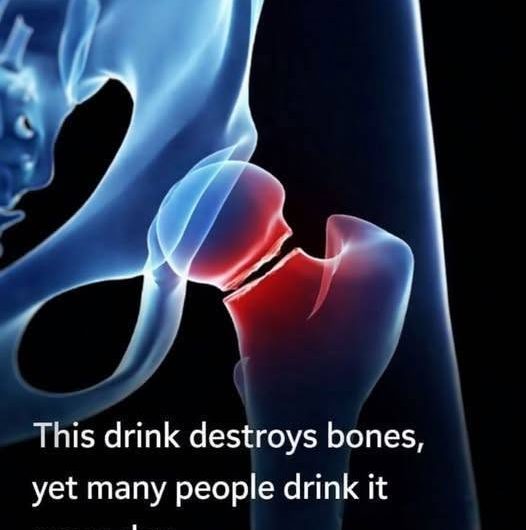
Strong bones are important for maintaining movement, balance, and overall quality of life. Many people focus on eating foods rich in calcium, but the drinks consumed every day can also influence bone health. Beverages can either add important nutrients to the diet or contribute extra sugar and calories without providing the vitamins and minerals the body needs.
Bones rely on a combination of nutrients, including calcium, vitamin D, magnesium, phosphorus, and protein. These nutrients work together to support bone formation, repair, and maintenance throughout life. Along with proper nutrition, regular exercise and healthy lifestyle habits play an important role in protecting bone density.
While no single beverage will immediately weaken bones, regularly choosing drinks that contain high amounts of sugar, excessive caffeine, or alcohol may affect overall nutrition. These beverages can replace healthier options that provide calcium, protein, and other bone-supporting nutrients.
Making smarter beverage choices does not mean completely avoiding favorite drinks. Instead, the goal is to create balance by choosing nutrient-rich beverages more often and keeping less nutritious options as occasional treats.
Drinks That May Affect Bone Health When Consumed Too Often
1. Sugar-Sweetened Soft Drinks and Cola Beverages
- Soft drinks are among the most popular beverages worldwide, but many provide very little nutritional benefit. Regular sodas usually contain high amounts of added sugar while offering almost no calcium, vitamin D, protein, or other nutrients that support healthy bones.
- Having a soft drink occasionally is unlikely to cause major problems for most healthy people. However, drinking sugary sodas regularly may reduce the amount of nutrient-rich beverages included in the daily diet.
- For example, someone who drinks several cans of soda each day may consume fewer servings of milk or fortified plant-based beverages. Over time, this can make it more difficult to meet the body’s calcium and vitamin D needs.
- Some research has explored a possible relationship between frequent cola consumption and lower bone mineral density. Scientists have studied the role of phosphoric acid found in some cola drinks, but current evidence does not prove that this ingredient directly damages bones. Experts suggest that overall diet quality and lower calcium intake may play a larger role.
- The main concern with soft drinks is not one specific ingredient but the pattern of replacing nourishing beverages with drinks that provide little nutritional value.
How Added Sugar Can Affect Overall Nutrition
- One of the biggest concerns with sugary beverages is their effect on daily eating habits. Drinks high in added sugar often provide extra calories without supplying important nutrients.
- When sugary beverages become a regular part of the diet, they may replace drinks that contain:
- Calcium
- Vitamin D
- Protein
- Minerals needed for bone maintenance
- High sugar intake may also contribute to unwanted weight gain, which can affect mobility and physical activity levels. Staying active is essential for maintaining strong bones because weight-bearing movement helps stimulate bone strength.
- Instead of making sugary drinks a daily habit, it is better to enjoy them occasionally while focusing on healthier hydration choices most of the time.
Healthier Alternatives to Support Strong Bones
- Replacing sugary beverages with healthier options is one of the easiest ways to improve daily nutrition.
Water: The Best Everyday Choice
- Plain water remains one of the healthiest beverages because it supports hydration without added sugar, calories, or unnecessary ingredients.
- For people who prefer more flavor, water can be naturally enhanced with:
- Lemon slices
- Lime
- Cucumber
- Fresh berries
- Mint leaves
- These additions create a refreshing drink while keeping hydration simple and healthy.
Milk and Fortified Plant-Based Drinks
- Low-fat and fat-free milk are excellent choices for bone health because they provide:
- Calcium
- Protein
- Phosphorus
- Vitamin D (when fortified)
- For people who avoid dairy, calcium-fortified alternatives can provide similar benefits. Options include:
- Soy milk
- Almond milk
- Oat milk
- Choosing fortified versions helps increase calcium intake while avoiding unnecessary added sugar.
2. Excessive Alcohol and Bone Health
- Alcohol can affect many areas of health, including the systems responsible for maintaining strong bones.
- Research shows that heavy alcohol consumption over long periods is linked with lower bone mineral density and a higher risk of osteoporosis.
- Excessive alcohol intake may interfere with several important processes, including:
- Calcium absorption
- Vitamin D activity
- Bone remodeling
- Formation of new bone tissue
- Bones constantly go through a natural process of breaking down and rebuilding. Specialized cells called osteoblasts help create new bone tissue, but heavy alcohol use may slow their activity.
- Alcohol can also increase the risk of falls and injuries, which makes fractures more likely, especially as people age.
- Moderate alcohol consumption may not significantly affect bone health for many healthy adults, but limiting excessive intake remains an important step for protecting bones.
Better Alcohol-Free Beverage Options
- Reducing alcohol does not mean giving up enjoyable drinks. Many refreshing alternatives can provide flavor while supporting better health.
- Some good options include:
Naturally Flavored Sparkling Water
- Sparkling water provides the refreshing fizz many people enjoy without added sugar or alcohol.
- Adding:
- Lemon
- Lime
- Berries
- Cucumber
- can create a flavorful beverage suitable for everyday enjoyment.
Herbal Tea and Fruit-Infused Water
- Herbal teas can be enjoyed hot or cold and provide variety without added sugar.
- Fruit-infused water made with ingredients like:
- Strawberries
- Orange slices
- Mint
- Lemon
- is another simple way to make hydration more enjoyable.
Alcohol-Free Celebration Drinks
- For special occasions, alcohol-free sparkling beverages can provide a festive experience without the health concerns associated with excessive alcohol consumption.
3. Highly Sweetened Coffee Drinks
- Coffee itself is not necessarily harmful to bone health. Research suggests that moderate coffee consumption is generally safe when people consume enough calcium through their diet.
- The concern comes from large specialty coffee drinks that contain:
- Flavored syrups
- Sweetened creamers
- Whipped cream
- Large amounts of added sugar
- These drinks can contain many extra calories while providing limited nutritional value.
- Some coffee beverages may also contain higher amounts of caffeine. Excess caffeine can slightly increase calcium loss through urine, although this effect is usually small when calcium intake is adequate.
- The bigger issue is when sweetened coffee drinks become daily replacements for nutritious beverages.
Simple Ways to Make Coffee More Bone-Friendly
- Coffee lovers can continue enjoying their favorite drink by making small adjustments.
- Helpful changes include:
- Choosing black coffee when preferred
- Reducing flavored syrups
- Using unsweetened milk
- Choosing low-fat dairy milk
- Using calcium-fortified plant-based milk
- Preparing coffee at home also allows better control over ingredients, serving sizes, and sugar levels.
- Small changes can significantly improve the nutritional quality of daily coffee habits.
4. Energy Drinks and Their Effects on Wellness
- Energy drinks are often marketed as quick sources of energy, especially among students, athletes, and busy adults. However, many contain large amounts of caffeine, added sugar, and stimulants without providing important nutrients.
- Occasional consumption may not create serious problems for healthy adults, but frequent use can interfere with healthy habits.
- Many energy drinks contain much more caffeine than a typical cup of coffee. Regularly consuming high amounts may contribute to:
- Poor sleep quality
- Increased nervousness
- Difficulty maintaining balanced nutrition
- Sleep is important for overall health because the body uses rest periods for repair and recovery.
- Since strong bones require proper nutrition, physical activity, and healthy routines, replacing nutrient-rich drinks with energy drinks every day is not a good long-term strategy.
Healthier Drinks for Natural Energy
- Instead of relying on energy drinks, several better options can support hydration and nutrition.
- Examples include:
- Green Tea
- Green tea provides moderate caffeine along with antioxidants.
- Unsweetened Iced Tea
- This provides refreshing flavor without excessive sugar.
- Coconut Water
- Unsweetened coconut water can help maintain hydration and provides electrolytes.
- Homemade Smoothies
- Smoothies made with:
- Yogurt
- Milk
- Calcium-fortified plant-based beverages
- Fresh fruit
- can provide protein, vitamins, and minerals while offering natural sweetness.
5. Sugary Fruit Drinks
- Fruit-flavored drinks often appear healthier because their packaging highlights fruit images and natural flavors. However, many contain added sugars and provide fewer nutrients than whole fruits.
- Some fruit beverages contain only small amounts of real fruit while relying mainly on sweeteners and flavoring.
- Unlike whole fruit, many sugary fruit drinks contain little:
- Fiber
- Protein
- Calcium
- Essential nutrients
- Whole fruits provide natural sweetness along with vitamins, minerals, antioxidants, and fiber.
- Choosing whole fruit or homemade drinks is usually a better option for supporting overall health.
Better Replacements for Sugary Fruit Drinks
- Healthier alternatives include:
- Fresh whole fruit
- Homemade smoothies
- Fruit-infused water
- 100% fruit juice in moderate amounts
- Smoothies made with yogurt, milk, or fortified plant-based milk provide additional calcium and protein while keeping control over added sugar.
Is Sparkling Water Bad for Bones?
- A common misunderstanding is that all carbonated beverages weaken bones. However, plain sparkling water without added sugar has not been shown to reduce bone density.
- Unlike sugary sodas, plain sparkling water does not provide added sugars and can be part of a balanced diet.
- For people who enjoy fizzy drinks, sparkling water with fresh fruit flavors can be a healthier replacement for soft drinks.
Best Bone-Supporting Drinks to Include Regularly
A bone-friendly beverage routine can include:
- Low-fat milk
- Fat-free milk
- Calcium-fortified soy milk
- Calcium-fortified almond milk
- Calcium-fortified oat milk
- Plain kefir
- Yogurt smoothies
- Green smoothies
- Herbal tea
- Green tea
- Fruit-infused water
- Plain water
- These beverages provide nutrients such as calcium, protein, vitamin D, probiotics, and antioxidants that support overall wellness.
Lifestyle Habits That Protect Bone Strength
- Healthy bones depend on more than beverage choices. A complete approach includes:
Eating a Balanced Diet
- Include foods rich in:
- Calcium
- Protein
- Vitamin D
- Minerals
Staying Active
- Weight-bearing activities such as:
- Walking
- Jogging
- Dancing
- Hiking
- Strength training
- help maintain bone strength.
Maintaining Healthy Habits
- Additional steps include:
- Avoiding smoking
- Limiting excessive alcohol
- Maintaining a healthy weight
- Getting enough vitamin D
- Small daily improvements can create long-term benefits for bone health.
Description
- This guide explains common beverages that may negatively affect overall bone health when consumed regularly and highlights healthier alternatives that provide important nutrients such as calcium, vitamin D, protein, and minerals. Learn how to make smarter drink choices by limiting sugary beverages, excessive alcohol, highly sweetened coffee drinks, energy drinks, and sugary fruit beverages while adding more bone-supporting options to your daily routine.
Duration
Preparation Time: 10 minutes
Reading Time: 10–12 minutes
Total Time: Approximately 20–22 minutes
Serving: Suitable as an informational health guide for adults interested in improving bone-supporting habits.
Ingredients
Beverages to Limit
- Sugar-sweetened soft drinks
- Cola beverages
- Excessive alcoholic beverages
- Highly sweetened specialty coffee drinks
- Energy drinks
- Sugary fruit-flavored beverages
Bone-Friendly Beverage Choices
- Plain drinking water
- Sparkling water with fresh lemon or lime
- Low-fat milk
- Fat-free milk
- Calcium-fortified soy milk
- Calcium-fortified almond milk
- Calcium-fortified oat milk
- Black coffee
- Coffee with reduced added sugar
- Unsweetened latte made with dairy milk
- Coffee prepared with fortified plant-based milk
- Herbal tea
- Green tea
- Unsweetened iced tea
- Fruit-infused water
- Coconut water without added sugar
- Plain kefir
- Yogurt smoothies with little or no added sugar
- Homemade fruit smoothies
- Homemade fruit and vegetable smoothies
- Fresh whole fruit
- 100% fruit juice in moderation
Instructions
Step 1: Review Your Daily Beverage Habits
Look at the drinks consumed throughout the day and identify beverages that contain high amounts of added sugar, excessive caffeine, or alcohol. Notice which drinks may be replacing healthier choices.
Step 2: Reduce Sugary Soft Drinks
- Limit regular sodas and cola beverages. Replace them with:
- Plain water
- Sparkling water
- These options help improve nutrient intake while reducing unnecessary added sugar.
Step 3: Manage Alcohol Consumption
- If alcohol is consumed, keep intake moderate. Avoid excessive drinking because it may interfere with calcium absorption, vitamin D function, and normal bone maintenance.
Step 4: Make Better Coffee Choices
- Enjoy coffee in a more balanced way by:
- Choosing black coffee when possible
- Reducing flavored syrups and sweetened creamers
- Using low-fat dairy milk
- Using calcium-fortified plant-based milk
- Preparing coffee at home can make it easier to control ingredients and portion sizes
Step 5: Limit Energy Drinks
- Reduce frequent energy drink consumption, especially beverages high in caffeine and sugar. Choose healthier energy-supporting drinks such as:
- Green tea
- Unsweetened iced tea
- Coconut water
- Homemade smoothies
Step 6: Replace Sugary Fruit Drinks
- Choose more nutritious options instead of sweetened fruit beverages.
- Better choices include:
- Fresh whole fruit
- Homemade smoothies
- Fruit-infused water
- Moderate portions of 100% fruit juice
Step 7: Stay Hydrated
- Drink enough water throughout the day to support hydration and normal body functions.
- For extra flavor, add:
- Lemon slices
- Lime
- Cucumber
- Berries
- Fresh herbs
Step 8: Add Bone-Supporting Nutrients
- Include beverages that provide nutrients important for bone health, including:
- Calcium
- Vitamin D (from fortified beverages)
- Protein
- Magnesium
- Phosphorus
- Examples include milk, fortified plant-based drinks, kefir, and yogurt smoothies.
Step 9: Combine Healthy Drinks With Lifestyle Habits
Support bone strength by combining better beverage choices with:
- Regular weight-bearing exercise
- Strength training
- Adequate protein intake
- Enough vitamin D
- Healthy body weight
- Avoiding smoking
- Limiting excessive alcohol
Step 10: Practice Balance
- Bone health is influenced by overall habits, not one single drink. Enjoy less nutritious beverages occasionally while making healthier choices most of the time.
Nutrition Note
- This guide does not represent the nutrition facts of one specific recipe because it is an educational beverage guide.
Bone-Supporting Nutrients
Healthy beverage choices can provide:
- Calcium
- Vitamin D (when fortified)
- Protein
- Magnesium
- Potassium
- Phosphorus
- Probiotics from kefir and yogurt drinks
- Antioxidants from green tea and fruits
Nutrients to Limit
- Reduce regular intake of:
- Added sugars
- Excess calories
- Excess caffeine
- Excess alcohol
- Highly sweetened beverages
Notes
- Plain sparkling water has not been shown to weaken bones and can be a healthier replacement for sugary soft drinks.
- Moderate coffee consumption is generally considered safe when calcium intake is adequate.
- Heavy alcohol consumption is associated with lower bone mineral density and increased osteoporosis risk.
- Whole fruits provide more fiber and nutrients compared with many fruit-flavored beverages.
- Calcium-fortified dairy and plant-based drinks can help support daily calcium needs.
- Strong bones are supported by a combination of balanced nutrition, regular exercise, sufficient vitamin D, and healthy lifestyle habits.
Nutrition Information
Nutritional Note:
This guide is not a single recipe, so exact nutrition values will vary depending on the beverages chosen. The nutritional content depends on whether you select milk, fortified plant-based drinks, smoothies, tea, water, or other beverage options.
Key Bone-Supporting Nutrients
| Nutrient | Role in Bone Health |
|---|---|
| Calcium | Helps build and maintain strong bones and supports bone density. |
| Vitamin D | Helps the body absorb and use calcium effectively (often added to fortified beverages). |
| Protein | Supports bone structure and helps maintain muscle strength for better mobility. |
| Magnesium | Plays a role in bone formation and mineral balance. |
| Phosphorus | Works with calcium to support healthy bone structure. |
| Potassium | Helps maintain mineral balance and supports overall bone function. |
| Probiotics | Found in drinks like kefir and yogurt smoothies; support digestive health, which helps nutrient absorption. |
| Antioxidants | Found in green tea and fruits; help support overall wellness. |
Nutrients and Ingredients to Limit
- Added sugars
- Excess calories from sweetened beverages
- High amounts of caffeine
- Excessive alcohol
- Regular consumption of sugary fruit drinks and energy drinks
Healthier Beverage Nutrition Highlights
- Low-fat or fat-free milk: Provides calcium, protein, phosphorus, and vitamin D (when fortified).
- Calcium-fortified plant-based milk: Provides bone-supporting nutrients for dairy-free choices.
- Plain water: Supports hydration without added sugar or calories.
- Green tea and herbal tea: Provide flavor with fewer added ingredients.
- Homemade smoothies: Can provide calcium, protein, vitamins, and minerals when made with yogurt, milk, or fortified alternatives.
- Daily Reminder:
- Strong bones are supported by consistent healthy habits, including nutrient-rich beverages, balanced meals, regular physical activity, and adequate vitamin D intake.