A Simple Way to Make Perfect Soft Boiled Eggs
Soft boiled eggs are one of those breakfast favorites that never go out of style. They are quick to prepare, filling, and incredibly versatile. Making them in the air fryer is even easier because there is no saucepan to watch and no water to bring to a boil. The air fryer handles the cooking while you prepare the rest of your meal.
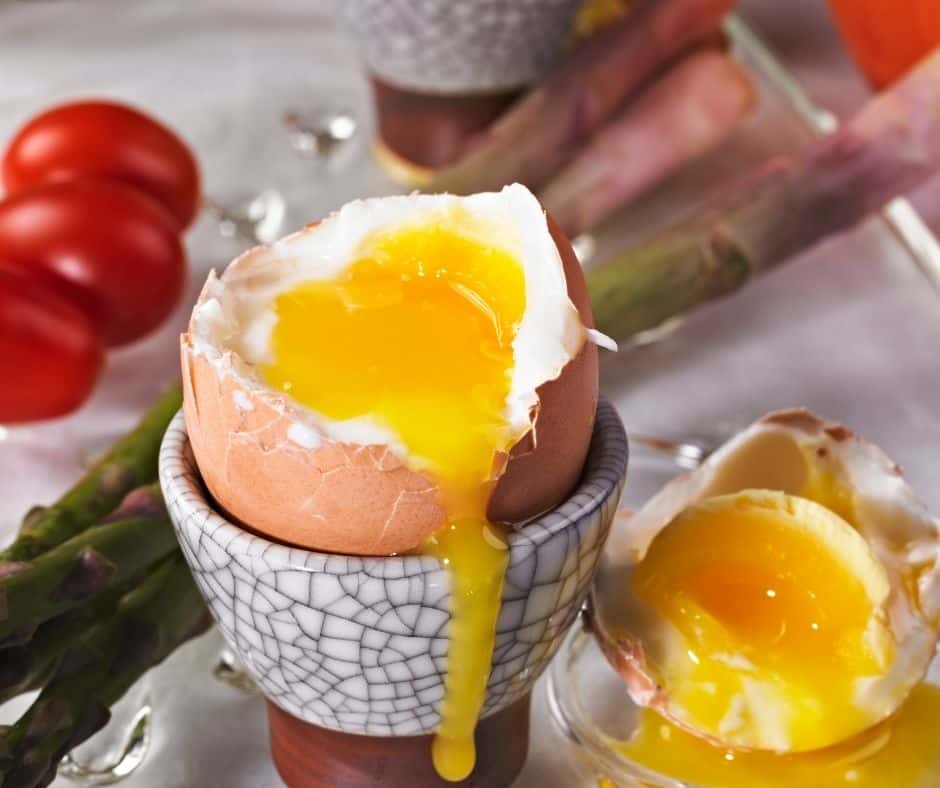
This method creates eggs with firm whites and rich, runny yolks that are perfect for dipping toast, serving over rice, or adding to a fresh salad. Once the eggs finish cooking, a quick ice water bath stops the cooking process and helps them peel more easily.
Only two ingredients are needed for this recipe: large eggs and ice water. With just a few minutes of cooking time, breakfast or a quick snack is ready without creating extra dishes.
Why Make Soft Boiled Eggs in an Air Fryer?
Cooking eggs in the air fryer is convenient and consistent. Instead of monitoring boiling water, simply place the eggs in the basket, set the temperature, and let the air fryer do the work.
Some advantages of this method include:
- No pot of boiling water.
- No need to preheat the air fryer.
- Easy cleanup.
- Consistent results with very little effort.
- Great for small batches.
Because the eggs cook inside their shells, they stay moist while the yolks remain silky and creamy.
Ingredients
This recipe keeps things simple.
- Large Eggs
- Use 2 to 3 large eggs. Eggs straight from the refrigerator work well. Fresh eggs can sometimes be slightly more difficult to peel, while eggs that have been refrigerated for several days usually peel more easily.
- Ice Water
- A bowl filled with ice water is important after cooking. The cold water immediately cools the eggs, preventing them from continuing to cook from the remaining heat inside the shell.
Equipment You’ll Need
Only a few kitchen tools are required.
- Air fryer
- Air fryer basket
- Tongs
- Bowl filled with ice water
- That’s all that’s needed to prepare perfectly cooked soft boiled eggs.
How to Prepare the Eggs
- Start by placing the eggs directly into the air fryer basket. Leave a little space between each egg so the hot air can circulate evenly around them.
- There is no need to add oil, cooking spray, or water. The eggs cook inside their shells using the circulating hot air.
- Set the air fryer to 270°F (132°C) and cook for 10 minutes.
- While the eggs cook, prepare a bowl filled with ice and cold water. Having it ready ahead of time makes it easy to cool the eggs immediately after cooking.
- Once the timer finishes, carefully remove each egg using tongs and place it directly into the ice water. Let the eggs cool for several minutes before peeling.
- This quick cooling step helps preserve the soft center while making the shells easier to remove.
What Makes a Perfect Soft Boiled Egg?
- A well-cooked soft boiled egg has two distinct textures.
- The egg white should be fully set so it holds its shape when peeled and sliced. The yolk, however, remains smooth, creamy, and runny.
- This combination makes soft boiled eggs enjoyable in many different meals. The rich yolk naturally becomes a sauce when served over toast, vegetables, grains, or noodles.
Adjusting the Texture
- Everyone has a favorite egg texture. Fortunately, small changes in cooking time allow you to achieve different results.
- For a classic soft boiled egg with a runny center, cook for 10 minutes.
- If you prefer a jammy yolk that is thicker but still creamy, increase the cooking time to 12 minutes.
- For completely firm yolks suitable for slicing or chopping into salads, cook for 15 minutes.
- Keeping the temperature the same while adjusting only the cooking time makes it easy to achieve the texture you enjoy most.
Tips for Even Cooking
- Although this recipe is simple, a few small details can improve the final result.
- Avoid overcrowding the basket. Air fryers cook by circulating hot air, so leaving a little space around each egg helps everything cook evenly.
- Always transfer the eggs directly into ice water after cooking. Skipping this step allows the residual heat to continue cooking the yolks, making them firmer than intended.
- Different air fryer brands can cook slightly differently. If using a new air fryer for the first time, it may be helpful to test one egg before preparing a larger batch. After one trial, you’ll know whether your appliance needs a minute more or less cooking time.
- For air fryer ovens, placing the eggs on the upper rack closer to the heating element generally produces the best results.
Serving Ideas
- Soft boiled eggs pair well with many meals throughout the day.
- Serve them alongside warm buttered toast for a classic breakfast, slice them over a crisp green salad, add them to a rice bowl, or place one on top of a bowl of ramen. The creamy yolk blends beautifully with these dishes and adds extra richness without requiring additional sauces.
Choosing the Right Eggs
- Large eggs work best for this recipe because the cooking time is based on their size. Smaller eggs may cook a little faster, while extra-large eggs may need slightly more time to reach the same consistency.
- The freshness of the eggs can also affect peeling. Very fresh eggs often cling tightly to the shell, making them a little harder to peel. Eggs that have been refrigerated for several days usually peel much more easily after the ice bath.
Why the Ice Water Bath Matters
- Once the eggs come out of the air fryer, they continue cooking from the heat trapped inside the shell. Placing them immediately into ice water stops this process almost instantly.
- This step helps preserve the creamy, runny yolk that makes soft boiled eggs so appealing. It also cools the shell enough to handle comfortably and often makes peeling easier.
- Allow the eggs to remain in the ice water for several minutes before removing the shells.
Understanding Cooking Times
The same cooking temperature can produce different styles of boiled eggs by simply adjusting the cooking time.
- Soft Boiled Eggs
- Cook for 10 minutes at 270°F (132°C). The whites become fully set while the yolks stay smooth and runny, making them perfect for dipping toast or serving over grains and vegetables.
- Medium Boiled Eggs
- Cook for 12 minutes at 270°F (132°C). The yolks become thicker and creamier with a jam-like texture that slices neatly while remaining soft in the center.
- Hard Boiled Eggs
- Cook for 15 minutes at 270°F (132°C). Both the whites and yolks become fully cooked, making these eggs suitable for slicing into salads or preparing sandwiches. Avoid cooking much longer than necessary, as overcooked eggs may develop a green ring around the yolk.
Different Air Fryers May Vary
Although the recipe is straightforward, every air fryer heats a little differently. Basket-style air fryers, oven-style models, and different brands may cook slightly faster or slower.
This method has been tested with the same cooking time in more than one air fryer, but it is always helpful to observe the results the first time you make it. If your eggs are slightly softer or firmer than expected, simply adjust the cooking time by about one minute the next time.
Whether using a Ninja Foodi, Cosori, Instant Vortex, Philips, Cuisinart, Nuwave, Actifry, Pampered Chef Air Fryer, Power Air Fryer, or another similar appliance, this method can be adapted with small timing adjustments if needed.
Ways to Serve Soft Boiled Eggs
- One of the best things about soft boiled eggs is how easily they fit into different meals.
- They are delicious served with toasted bread, allowing the creamy yolk to soak into every bite. They also make an excellent topping for fresh salads, adding both flavor and protein.
- Soft boiled eggs pair beautifully with rice bowls, grain bowls, and noodle dishes. They are especially popular served over warm ramen, where the rich yolk blends naturally into the broth.
- For a quick snack, simply sprinkle the peeled egg with a little salt and enjoy it on its own.
Storage Tips
- Although these eggs are best enjoyed shortly after cooking, they can also be stored for later.
- Keep the eggs in their shells and place them in an airtight container in the refrigerator. They can be stored for up to one week.
- Wait to peel them until just before serving, as the shell helps protect the egg and maintain its texture.
- Freezing is not recommended because it changes the texture of the egg, particularly the yolk. Reheating is also not ideal since it continues cooking the center and removes the soft consistency.
Helpful Tips for Success
A few simple habits can make this recipe even more reliable.
- Arrange the eggs in a single layer.
- Leave space around each egg for proper air circulation.
- Do not stack the eggs.
- Prepare the ice bath before the cooking time ends.
- Use tongs when transferring the hot eggs.
- Peel carefully after cooling.
These small steps help produce consistent results every time.
Frequently Asked Questions
- Do I need water inside the air fryer?
- No. Unlike traditional boiling, this method cooks the eggs using circulating hot air. Water is only needed afterward for the ice bath.
- Should the air fryer be preheated?
- No preheating is necessary. Simply place the eggs into the basket, set the temperature, and begin cooking.
- Can I cook at a higher temperature?
- Higher temperatures can cook the eggs too quickly and may produce firmer yolks than expected. Cooking at 270°F (132°C) provides a more controlled result for soft, medium, and hard boiled eggs.
- Are air fryer eggs safe?
- Yes. Cooking eggs in their shells with dry circulating heat is a simple and effective method. The important step is cooling them immediately in ice water once they finish cooking.
Air Fryer Soft Boiled Eggs
These air fryer soft boiled eggs are a quick and effortless breakfast made with just two ingredients. The eggs cook until the whites are fully set while the yolks stay smooth and runny. An ice water bath stops the cooking immediately, giving the eggs the perfect soft-boiled texture. Enjoy them with toast, salads, rice bowls, or ramen.
2
servings5
minutes10
minutes70
kcal15
minutesIngredients
2–3 large eggs
Ice water
Directions
- Place the large eggs in a single layer inside the air fryer basket, leaving a little space between each egg for proper air circulation.
- Set the air fryer to 270°F (132°C) and cook for 10 minutes. There is no need to preheat the air fryer.
- While the eggs are cooking, fill a medium bowl with ice and cold water.
- When the cooking time is complete, carefully remove the eggs using tongs
- Immediately transfer the hot eggs into the prepared ice water bath.
- Let the eggs cool for several minutes to stop the cooking process.
- Gently peel the eggs and serve immediately.
Air Fryer Egg Timing Guide
Soft Boiled Eggs: 10 minutes at 270°F (132°C)
Medium Boiled Eggs: 12 minutes at 270°F (132°C)
Hard Boiled Eggs: 15 minutes at 270°F (132°C)
Notes
- Cook the eggs in a single layer without overcrowding the basket.
- Cooling the eggs in ice water helps maintain a soft, runny yolk and makes peeling easier.
- Very fresh eggs may be slightly harder to peel.
- Cooking times can vary slightly depending on the air fryer model, so adjust by about one minute if needed.
- Store unpeeled eggs in an airtight container in the refrigerator for up to one week.
- Freezing or reheating is not recommended because the texture of the eggs changes.
- Serve with toast, salads, rice bowls, or ramen for an easy meal.
Nutrition Facts
- Serving Size: 1 g
- Total number of serves: 2
- Calories: 70kcal
- Fat: 5g
- Saturated Fat: 1.5g
- Sodium: 70mg
- Potassium: 70mg
- Protein: 6g
- Calcium: 2mg
- Iron: 4mg