INGREDIENTS
Main Flour Blend
- 2 cups gluten-free all-purpose flour blend
Choose a blend that contains rice flour, potato starch, and tapioca starch. Avoid single-flour recipes unless experienced.
Softness Enhancers
- 1/2 cup oat flour
Adds moisture retention and a mild flavor. You can make it by grinding oats. - 1/4 cup tapioca starch
Improves elasticity and prevents dryness.
Binders (Very Important)
- 1 teaspoon xanthan gum
Helps hold the bread together. - 1 tablespoon psyllium husk powder
Creates a gel that mimics gluten and traps air bubbles.
Sweetener and Flavor
- 2 tablespoons sugar
Feeds the yeast and adds slight sweetness. - 1 teaspoon salt
Essential for flavor balance.
Leavening
- 2 teaspoons instant yeast
Liquids
- 1 1/2 cups warm water
Hydrates flours and activates yeast. - 3 tablespoons oil
Adds softness and extends shelf life. - 1 teaspoon apple cider vinegar
Strengthens structure and improves rise.
Optional Enrichment
- 2 tablespoons yogurt or milk
Adds tenderness and improves crumb.
EQUIPMENT
- Large mixing bowl
- Whisk
- Stand mixer or hand mixer (strongly recommended)
- Loaf pan (8×4 or 9×5 inches)
- Spatula
- Kitchen towel or plastic wrap
STEP 1: YEAST ACTIVATION
Add warm water to a bowl. The temperature should feel warm but not hot to the touch.
Add sugar and stir until dissolved. Sprinkle yeast on top.
Leave for 5 to 10 minutes. You should see foam forming on the surface.
If no foam appears:
- The yeast may be expired
- Water may be too hot (kills yeast)
- Water may be too cold (yeast stays inactive)
Start again if needed.
STEP 2: PREPARING THE DRY MIX
In a large bowl, combine:
- Gluten-free flour blend
- Oat flour
- Tapioca starch
- Salt
- Xanthan gum
- Psyllium husk
Whisk thoroughly for at least 1 to 2 minutes.
This step ensures even distribution of binders. Uneven mixing can cause dense patches or crumbling.
STEP 3: COMBINING LIQUIDS
To the yeast mixture, add:
- Oil
- Vinegar
- Yogurt or milk if using
Mix gently.
STEP 4: MIXING THE DOUGH
Pour wet ingredients into dry ingredients.
Mix using a stand mixer on medium speed for 3 to 5 minutes.
What to expect:
- Dough will be sticky and thick
- It will resemble cake batter or paste
- It should not be dry or crumbly
If too thick:
Add 1 to 2 tablespoons water.
If too runny:
Add a small amount of flour blend.
Proper consistency is key to softness.
STEP 5: RESTING THE DOUGH
Let the mixture sit for 5 to 10 minutes after mixing.
This allows:
- Psyllium husk to absorb water
- Flour to fully hydrate
- Dough to thicken slightly
This step is often skipped but improves texture significantly.
STEP 6: SHAPING AND PAN TRANSFER
Grease your loaf pan thoroughly.
Transfer dough into the pan. Use a wet spatula to smooth the surface.
You can create a slight dome shape in the center for better rise.
STEP 7: PROOFING (RISING STAGE)
Cover the pan with a cloth or plastic wrap.
Place in a warm, draft-free location.
Ideal temperature: around 25 to 30°C.
Let it rise for 30 to 60 minutes.
Signs it is ready:
- Dough has visibly expanded
- Surface looks slightly puffy
Do not overproof. Gluten-free dough can collapse if it rises too much.
STEP 8: BAKING
Preheat oven to 180°C.
Place loaf in the middle rack.
Bake for 35 to 45 minutes.
After 25 minutes:
Check color. If top is browning too fast, cover loosely with foil.
Internal temperature target: about 95°C.
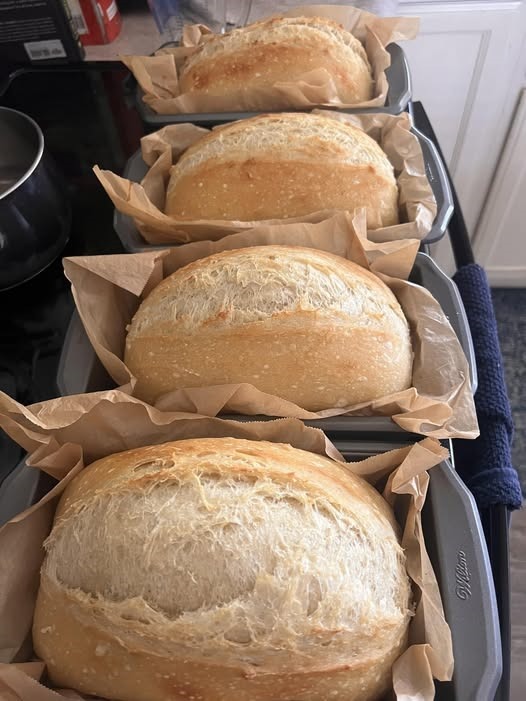
The bread should feel firm and sound hollow when tapped.
STEP 9: COOLING
Remove bread from oven and immediately take it out of the pan.
Place on a wire rack.
Let it cool completely for at least 1 to 2 hours.
Why this matters:
- Steam inside continues cooking the bread
- Structure sets during cooling
- Cutting early causes gumminess
STEP 10: SLICING
Use a serrated knife.
Slice gently to avoid crushing the loaf.
Slices should be soft, slightly springy, and not crumbly.
ADVANCED TIPS FOR EXTRA SOFTNESS
Use milk instead of water for richer texture.
Add 1 tablespoon honey for moisture retention.
Add 1 tablespoon butter or margarine for softer crumb.
Store bread in a sealed container to prevent drying.
STORAGE GUIDE
Room temperature: 2 to 3 days in airtight container
Refrigerator: up to 1 week (may dry slightly)
Freezer: up to 2 months (slice before freezing)
To reheat:
Toast or warm lightly in oven.
DETAILED TROUBLESHOOTING
Dense bread:
- Too little liquid
- Not enough mixing
- Old yeast
Gummy texture:
- Underbaked
- Cut too early
Crumbly bread:
- Missing binders
- Too dry
Collapsed loaf:
- Overproofed
- Too much liquid
VARIATIONS
Seeded bread:
Add sunflower, sesame, or flax seeds.
Herb bread:
Add garlic powder, oregano, or mixed herbs.
Sweet bread:
Add cinnamon, raisins, or dates.
Dairy-free version:
Use water and skip yogurt.