Introduction
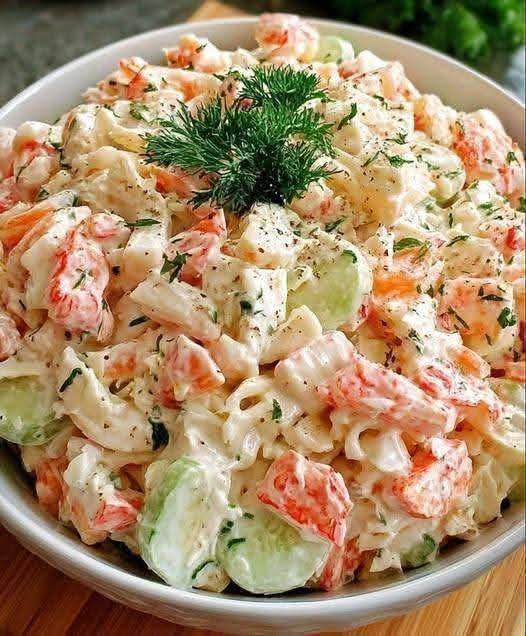
Olivier salad, often called Russian salad, is a cold, creamy mixed salad that combines soft boiled vegetables, protein, eggs, and a rich mayonnaise-based dressing. The beauty of this dish lies in its balance: soft textures, slight crunch, tanginess from pickles, and richness from the dressing.
The key to making an exceptional Olivier salad is not just mixing ingredients, but controlling texture, moisture, and flavor layering at every step.
Section 1: Ingredient
1. Potatoes
Potatoes form the bulk of the salad, so choosing the right type matters.
- Use waxy or all-purpose potatoes (they hold shape better)
- Avoid overly starchy potatoes, which can turn mushy
- Medium size potatoes cook more evenly than very large ones
Ideal characteristics:
- Firm after boiling
- Not crumbly
- Neutral flavor to absorb dressing
2. Carrots
Carrots add sweetness, color, and slight firmness.
- Choose fresh, bright orange carrots
- Avoid overly fibrous or dry carrots
- Medium thickness is best for even cooking
3. Peas
Peas add small bursts of sweetness and texture contrast.
- Fresh peas give best flavor when in season
- Frozen peas are a very good alternative
- Avoid overcooking, or they become dull and mushy
4. Eggs
Eggs add richness and softness.
- Use large eggs
- Proper boiling is critical to avoid rubbery whites or green yolks
- Yolks contribute creaminess when mixed
5. Protein Component (Optional but Traditional)
Common options:
- Boiled chicken (most common modern version)
- Cooked beef
- Sausage (traditional European style)
Important:
- Meat should be plain, not heavily spiced
- Texture should match the softness of vegetables
6. Pickles (Very Important)
Pickles define the flavor.
- Use small pickled cucumbers (gherkins)
- They should be tangy, slightly sour, not overly sweet
- Avoid soft or soggy pickles
They balance the heaviness of mayonnaise.
7. Optional Additions
- Apple: adds subtle sweetness and freshness
- Sweet corn: adds mild sweetness and color
- Onion: adds sharpness (use sparingly)
- Fresh cucumber: for a lighter version (add last to avoid water release)
Section 2: Preparation
Boiling Vegetables Properly
Potatoes
- Place whole potatoes in cold water first
- Add salt to the water
- Bring to a gentle boil, not aggressive
- Cook until knife slides in but potato is still firm
Why this matters:
If overcooked, potatoes break during mixing and create a paste-like salad.
Carrots
- Can be boiled whole or chopped
- If chopped, cook briefly to avoid softness
- Should remain slightly firm
Cooling Phase
After boiling:
- Drain immediately
- Spread vegetables on a tray
- Allow full cooling before cutting
Cutting warm potatoes leads to:
- Sticky texture
- Uneven cubes
- Moisture buildup
Egg Boiling Precision
Steps:
- Start in cold water
- Bring to boil
- Cook 9–10 minutes
- Transfer to cold water
Why:
- Prevents overcooking
- Keeps yolks bright yellow
- Avoids sulfur smell
Section 3: Cutting and Uniformity
Consistency in size is critical.
Target cube size:
- Approximately 0.5 cm
Why uniformity matters:
- Even distribution of flavor
- Better mouthfeel
- Professional appearance
Cutting guide:
- Potatoes: medium dice
- Carrots: slightly smaller than potatoes
- Eggs: fine chop
- Pickles: very fine dice
Section 4: Dressing
Base Components
Mayonnaise
- Provides fat, creaminess, and body
- Full-fat version is best for authentic taste
Sour Cream or Yogurt
- Adds slight tang
- Balances heaviness
Mustard
- Adds depth and mild sharpness
- Enhances overall flavor complexity
Acid (Lemon Juice or Vinegar)
- Cuts richness
- Brightens the dish
Dressing Ratios (Flexible but Balanced)
- 1 cup mayonnaise
- 2–3 tablespoons yogurt/sour cream
- 1 teaspoon mustard
- 1–2 teaspoons acid
Mix until smooth and slightly glossy.
Section 5: Assembly Method
Step-by-Step Mixing
- Place all chopped ingredients into a large bowl
- Mix dry ingredients first
- Add dressing gradually (not all at once)
- Fold gently
Important:
- Use folding motion, not stirring aggressively
- Prevents breaking potatoes
Moisture Control
Key principle:
The salad should be creamy, not watery.
Common mistakes:
- Adding dressing to warm ingredients
- Using watery vegetables
- Not draining peas properly
Section 6: Resting and Flavor Development
Refrigeration is essential.
Minimum time:
- 2–3 hours
Ideal:
- Overnight
What happens during resting:
- Flavors blend
- Dressing thickens slightly
- Texture improves
Section 7: Texture Balancing
A perfect Olivier salad has:
- Soft potatoes
- Slightly firm carrots
- Creamy coating
- Occasional crunch from pickles
If too thick:
- Add yogurt or a small amount of milk
If too thin:
- Add more mayonnaise or a mashed egg yolk
Section 8: Advanced Tips
Tip 1: Layered Mixing
Mix vegetables first, then fold in eggs last to keep texture intact.
Tip 2: Salt Carefully
Pickles and mayo already contain salt.
Tip 3: Knife Quality
Sharp knife ensures clean cuts and prevents crushing.
Tip 4: Chill Bowl Before Mixing
Keeps ingredients firm and fresh.
Section 9: Variations
Classic European Style
- Includes meat (often sausage)
- Uses more pickles
- Slightly tangier
Modern Creamy Style
- More mayonnaise
- Includes sweet elements like corn or apple
Light Version
- Replace half mayo with yogurt
- Add fresh herbs
Section 10: Serving Methods
- Serve in a large bowl for family meals
- Mold into shape using a small bowl for formal serving
- Garnish with:
- chopped herbs
- sliced eggs
- peas
Section 11: Storage and Shelf Life
- Store in airtight container
- Refrigerate at all times
- Consume within 2–3 days
Important:
Do not leave at room temperature for long due to mayonnaise.
Section 12: Common Mistakes
- Overcooking vegetables
- Cutting uneven pieces
- Using too much dressing
- Not chilling before serving
- Skipping pickles