Introduction
Avocados are one of the most versatile and nutritious fruits in the kitchen. Their rich, creamy texture makes them ideal for smoothies, sandwiches, salads, dips, sauces, spreads, desserts, and countless other recipes. However, avocados are also known for having a very short window of perfect ripeness. One day they may be too firm to eat, and the next day they may become overly soft. Many people end up throwing away ripe avocados because they cannot use them quickly enough. Freezing is one of the best solutions to this problem.
When done correctly, freezing avocados can extend their usefulness for months while preserving much of their flavor, nutrition, and color. The main concern when freezing avocado is browning. Once the flesh is exposed to air, natural enzymes react with oxygen and begin turning the fruit brown. Although this discoloration is usually harmless, it can make the avocado less appealing. Fortunately, there are several proven techniques that help maintain the bright green color while minimizing waste.
This comprehensive guide explains every step of freezing avocado successfully. Whether you want to freeze halves, slices, cubes, mashed avocado, or puree, these methods can help you preserve every avocado and enjoy it long after peak ripeness.
Preparation Time
20–30 minutes
Freezing Time
4–8 hours
Storage Time
Up to 6 months for best quality
Difficulty Level
Easy
Ingredients
8 ripe avocados
4 tablespoons freshly squeezed lemon juice
2 tablespoons freshly squeezed lime juice
Cold water for washing
Optional Ingredients
1 teaspoon fine sea salt
1 tablespoon olive oil
Extra lemon juice for long-term storage
Optional herbs for flavored avocado puree
Equipment Required
Sharp chef’s knife
Cutting board
Large mixing bowl
Small mixing bowl
Fork or potato masher
Food processor or blender
Measuring spoons
Parchment paper
Baking tray
Plastic wrap
Freezer-safe zip-top bags
Airtight freezer containers
Vacuum sealer (optional)
Permanent marker for labeling
Kitchen towels
Choosing the Right Avocados
The success of frozen avocado starts with selecting the correct fruit. The best avocados for freezing are fully ripe but still fresh. They should feel slightly soft when gently pressed but should not collapse under pressure.
Characteristics of Ideal Avocados
Smooth, creamy flesh
Bright green interior
Pleasant fresh aroma
No mold
No sour smell
No major bruising
No large brown streaks
Signs an Avocado Is Too Ripe
Very mushy texture
Fermented odor
Extensive dark spots
Watery flesh
Stringy interior
Why Freezing Avocados Is Worth It
Many households waste avocados because they ripen simultaneously. Buying avocados in bulk can save money, but only if they are preserved properly. Freezing allows you to enjoy avocado throughout the year while reducing food waste.
Benefits Include
Less food waste
Convenient meal preparation
Ready-to-use smoothie ingredients
Longer shelf life
Reduced grocery expenses
Portion control
Availability during off-seasons
Quick additions to recipes
Understanding Browning
Before learning the freezing methods, it is important to understand why avocado turns brown.
Avocado flesh contains enzymes called polyphenol oxidases. When the fruit is cut open, oxygen comes into contact with these enzymes and triggers oxidation. This process gradually changes the bright green flesh into a brown color.
Factors That Accelerate Browning
Exposure to air
Warm temperatures
Extended storage
Damaged flesh
Repeated handling
Methods That Reduce Browning
Using acidic ingredients
Removing air exposure
Fast freezing
Proper packaging
Cold storage
Why Lemon and Lime Juice Work
Lemon and lime juice contain citric acid and vitamin C. These compounds slow oxidation by creating an acidic environment that protects the avocado’s color.
Benefits of Citrus Juice
Slows browning
Preserves freshness
Enhances flavor
Provides antioxidant protection
Improves storage quality
Preparation Before Freezing
Step 1: Wash the Avocados
Even though the skin is not eaten, wash each avocado thoroughly under cool running water.
This removes:
Dirt
Dust
Bacteria
Chemical residues
Dry each avocado completely with a clean kitchen towel.
Step 2: Prepare Work Area
Organize all equipment before cutting.
Have ready:
Knife
Bowl
Lemon juice
Storage containers
Labels
Tray
Plastic wrap
Working quickly helps reduce oxidation.
Method One: Freezing Avocado Halves
This method preserves large portions and works well for future sandwiches, toast toppings, and recipes requiring larger avocado pieces.
Step 1
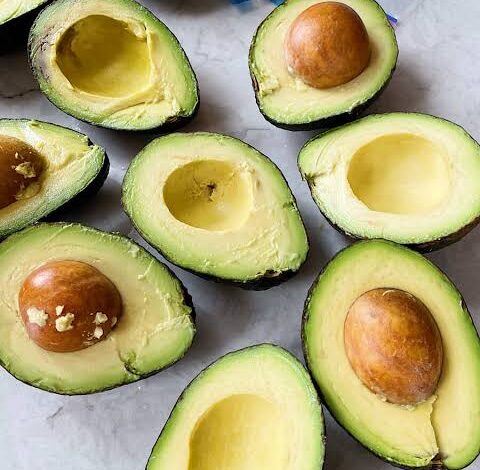
Slice the avocado lengthwise around the pit.
Step 2
Twist gently to separate the halves.
Step 3
Carefully remove the pit.
Step 4
Brush all exposed flesh generously with lemon juice.
Ensure every surface is coated.
Step 5
Wrap each half tightly in plastic wrap.
Press the wrap directly onto the avocado surface.
Step 6
Place wrapped halves into freezer bags.
Remove excess air.
Step 7
Label with date and contents.
Step 8
Freeze immediately.
Advantages
Simple preparation
Minimal equipment
Easy portioning
Suitable for larger servings
Disadvantages
Slightly softer texture after thawing
Requires careful wrapping
Method Two: Freezing Avocado Slices
Slices are convenient for quick meals.
Step 1
Cut avocado into halves.
Step 2
Remove peel and pit.
Step 3
Slice into uniform pieces.
Step 4
Place slices into a bowl.
Step 5
Add lemon juice.
Toss gently.
Step 6
Arrange slices on a parchment-lined tray.
Keep pieces separated.
Step 7
Freeze until solid.
Usually 2–3 hours.
Step 8
Transfer frozen slices to freezer bags.
Step 9
Remove air.
Seal and label.
Advantages
Easy portion control
Quick thawing
Convenient serving sizes
Disadvantages
Requires tray space
Slightly more preparation
Method Three: Freezing Avocado Cubes
Ideal for smoothies and cooking.
Step 1
Peel avocados.
Step 2
Remove pits.
Step 3
Cut into cubes.
Step 4
Coat cubes with lemon juice.
Step 5
Arrange on lined tray.
Step 6
Freeze until firm.
Step 7
Transfer to bags.
Step 8
Seal tightly.
Step 9
Freeze for storage.
Benefits
Perfect smoothie portions
Easy measuring
Fast thawing
Minimal waste
Method Four: Freezing Mashed Avocado
Many experts consider this the best freezing method.
Ingredients
4 avocados
2 tablespoons lemon juice
Instructions
Place avocado flesh into a bowl.
Mash thoroughly using a fork.
Add lemon juice.
Mix evenly.
Divide into portions.
Transfer to airtight containers.
Cover surface directly with plastic wrap.
Seal.
Label.
Freeze.
Advantages
Excellent color retention
Better texture after thawing
Easy recipe use
Convenient portions
Method Five: Freezing Avocado Puree
Perfect for sauces, desserts, and baby food.
Ingredients
6 avocados
3 tablespoons lemon juice
Instructions
Place avocado flesh into a blender.
Add lemon juice.
Blend until smooth.
Portion into containers.
Seal tightly.
Freeze immediately.
Advantages
Smooth consistency
Versatile usage
Long storage life
Excellent for blending
Vacuum Sealing Method
For maximum freshness, vacuum sealing is highly recommended.
Process
Prepare avocado.
Add lemon juice.
Place in vacuum bags.
Remove air completely.
Seal.
Label.
Freeze.
Benefits
Maximum color preservation
Reduced freezer burn
Longer quality retention
Better flavor protection
Creating Individual Portions
Portioning before freezing prevents waste.
Recommended Portion Sizes
2 tablespoons
¼ cup
½ cup
1 cup
Single-avocado servings
Smoothie packs
Benefits
No unnecessary thawing
Faster meal preparation
Better organization
Reduced spoilage
Best Containers for Storage
Freezer Bags
Space efficient
Affordable
Easy labeling
Plastic Containers
Reusable
Stackable
Durable
Glass Containers
Eco-friendly
Odor resistant
Long-lasting
Vacuum Bags
Best protection
Professional results
Maximum freshness
Labeling System
Always label frozen avocado.
Include
Date frozen
Portion size
Preparation method
Number of avocados
Example
Mashed Avocado
½ Cup Portions
Frozen June 19, 2026
How Long Frozen Avocado Lasts
0–2 Months
Excellent quality
2–4 Months
Very good quality
4–6 Months
Good quality
Beyond 6 Months
Safe if continuously frozen but quality may decrease
Proper Freezer Temperature
Maintain freezer temperature at:
0°F
or
-18°C
Stable temperatures improve storage quality.
How to Thaw Frozen Avocado
Refrigerator Method
Place avocado in refrigerator overnight.
Produces best texture.
Cold Water Method
Submerge sealed package in cold water.
Replace water every 30 minutes.
Countertop Method
Not generally recommended because uneven thawing may occur.
Using Frozen Avocado Without Thawing
Frozen avocado cubes can be added directly to:
Smoothies
Milkshakes
Protein drinks
Frozen desserts
Blended sauces
How Frozen Texture Changes
Fresh avocado is firm and creamy.
Frozen avocado becomes softer after thawing because water inside the cells expands during freezing.
Best Uses After Thawing
Guacamole
Smoothies
Spreads
Dressings
Sauces
Soups
Baking
Desserts
Pasta sauces
Baby food
Recipes Using Frozen Avocado
Classic Guacamole
2 thawed avocados
1 tomato
¼ onion
1 tablespoon lime juice
Salt to taste
Mash ingredients together and serve.
Creamy Green Smoothie
1 cup frozen avocado cubes
1 banana
1 cup spinach
1 cup milk
1 tablespoon honey
Blend until smooth.
Avocado Pasta Sauce
1 cup thawed avocado
2 garlic cloves
2 tablespoons olive oil
1 tablespoon lemon juice
Salt and pepper
Blend until creamy.
Chocolate Avocado Mousse
1 cup avocado puree
3 tablespoons cocoa powder
2 tablespoons honey
1 teaspoon vanilla
Blend until smooth.
Avocado Salad Dressing
½ cup avocado puree
2 tablespoons olive oil
1 tablespoon vinegar
1 teaspoon mustard
Salt and pepper
Blend thoroughly.
Common Mistakes to Avoid
Using overripe avocados
Skipping citrus juice
Leaving air in packaging
Storing in oversized containers
Repeated thawing and refreezing
Using damaged fruit
Freezing warm puree
Ignoring labels
Opening freezer frequently
Not sealing containers properly
Professional Storage Tips
Freeze immediately after preparation.
Use fresh lemon juice instead of bottled when possible.
Store in meal-sized portions.
Remove every possible pocket of air.
Use double protection for long-term storage.
Maintain consistent freezer temperature.
Avoid stacking unfrozen packages.
Freeze flat whenever possible.
Keep avocado away from strong freezer odors.
Inspect packages regularly.
Reducing Food Waste Even Further
Use every edible part of the avocado before disposal.
Ideas include:
Smoothies
Spreads
Sauces
Dressings
Baking
Baby food
Frozen dessert bases
Dips
Sandwich fillings
Breakfast bowls
Even slightly soft avocados can often be mashed and frozen instead of discarded.
Frequently Asked Questions
Can avocado be frozen without lemon juice?
Yes, but browning is more likely.
Can frozen avocado be eaten raw?
Yes. Once thawed, it is safe to eat.
Can avocado be frozen whole?
Yes, but results are generally inferior because the fruit freezes unevenly and may brown internally.
Can thawed avocado be refrozen?
It is not recommended because quality decreases significantly.
Can frozen avocado be used in salads?
Yes, although texture is softer than fresh avocado.
Can frozen avocado be used for toast?
Yes, especially mashed avocado.
Can lime juice replace lemon juice?
Absolutely. Both work very well.
Can avocado stay green after freezing?
When properly treated with citrus juice and stored without air exposure, it often remains remarkably green.
Final Summary
Freezing avocado is one of the most effective ways to preserve ripe fruit, prevent unnecessary waste, and ensure a steady supply of avocado for future meals. Whether frozen as halves, slices, cubes, mashed avocado, or silky puree, proper preparation is the key to maintaining color and flavor. By coating the avocado with lemon or lime juice, minimizing oxygen exposure, packaging carefully, and freezing promptly, you can enjoy delicious avocado for months while avoiding browning and reducing food waste. The mashed and pureed methods generally provide the best overall results because they preserve texture more effectively after thawing, making them ideal for guacamole, smoothies, dressings, sauces, and countless other recipes. With these detailed techniques, every avocado can be used efficiently, stored safely, and enjoyed long after its peak ripeness.