How to Freeze Avocados Without Browning or Wasting Them
Avocados are a versatile fruit that can make everyday meals more satisfying, from breakfast toast and creamy smoothies to fresh dips, sandwiches, and homemade sauces. However, buying several ripe avocados at once can create a storage problem because they do not stay at their best for very long after ripening.
Learning how to freeze avocados is a practical way to preserve extra fruit, reduce food waste, and keep a useful ingredient available whenever you need it. With a little preparation, you can freeze whole avocados, halves, slices, cubes, or mashed avocado.
Freezing avocados is especially helpful when you find ripe fruit at a lower price or have more avocados than you can use during the week. Rather than allowing them to become overripe on the counter, you can prepare them for the freezer and save them for future meals.
Although frozen avocado does not retain exactly the same texture as fresh fruit, it keeps much of its flavor and nutritional value. Choosing the right freezing method for your intended recipes will help you get the best results when it is time to thaw and use your avocado.
Can You Freeze Avocados?
Yes, avocados can be frozen, and there are several convenient ways to do it at home. The best method depends on whether you want to store the fruit quickly with minimal preparation or prepare individual portions for smoothies, guacamole, and other recipes. You can freeze avocados whole, cut them into halves, slice or cube the flesh, or mash it before storage. Each method has advantages, so it is worth considering how you normally use avocados before deciding which approach to follow.
One important detail is that freezing changes the texture of avocado. Fresh avocado is known for its smooth, buttery consistency, but thawed avocado can become softer and sometimes slightly watery. This makes frozen avocado less suitable for dishes where attractive, firm slices are essential. However, the texture change is much less noticeable when the fruit is blended, mashed, or mixed into a creamy recipe. Frozen avocado works particularly well in smoothies, dips, sauces, avocado mousse, and other preparations where a soft texture is not a problem.
Freezing also does not stop browning permanently. Avocado flesh reacts with oxygen, which can cause its surface to turn brown during preparation or after thawing. Lemon juice or lime juice can help slow this process, while tight wrapping and airtight storage reduce exposure to air. For the best color and flavor, start with ripe, fresh avocados, prepare them carefully, and remove as much air as possible from their packaging before placing them in the freezer.
What You Need to Freeze Avocados
The process requires only a few basic ingredients and kitchen supplies. Fresh, ripe avocados are the main ingredient, while fresh lemon juice helps protect the exposed flesh from discoloration. Lime juice is also suitable if you prefer its flavor. For wrapping, you can use plastic wrap or reusable beeswax wraps, provided they fit tightly around the fruit and are appropriate for freezer storage. Freezer-safe bags or airtight containers provide an additional layer of protection against air and unwanted freezer odors.
A baking sheet is useful when freezing avocado slices or cubes because it allows the pieces to freeze separately before being packed together. Parchment paper or a silicone baking mat helps prevent the avocado from sticking to the tray. You will also need a knife and spoon for removing the pit and flesh, plus a bowl and fork if you plan to mash the avocado. A food processor is optional and can help create a smoother puree when you want avocado ready for blending or preparing dips.
The most important part of preparing avocado for freezing is choosing fruit at the correct stage of ripeness. Avocados should be ripe before they go into the freezer because freezing will not reliably ripen firm, unripe fruit afterward. Select fruit that gives slightly when gently pressed but is not excessively soft, damaged, or spoiled. Wash the outside under running water and dry it thoroughly before cutting, so dirt from the skin is less likely to transfer to the edible flesh.
How to Freeze Whole Avocados or Avocado Halves
Freezing whole avocados is one of the simplest methods when you have limited preparation time or have not decided what you want to make later. Keeping the skin intact provides a natural covering around the flesh, while wrapping the fruit helps reduce contact with air. This method is convenient for people who want to preserve several avocados at once without slicing, mashing, or portioning them individually. Properly wrapped whole avocados can generally be stored in the freezer for up to three months for good quality.
Start by rinsing each avocado under running water and drying it completely with a clean towel. If you want to freeze the fruit whole, leave the skin and pit in place, then wrap the avocado tightly in plastic wrap or freezer-suitable beeswax wrap. Make sure the wrapping follows the shape of the fruit without leaving large air pockets. Place each wrapped avocado inside a freezer-safe bag, press out as much air as possible, seal it securely, and transfer it to the freezer.
If you prefer freezing avocado halves, cut each washed avocado lengthwise around the pit and separate the two halves. You can leave the pit in place if that makes wrapping easier. Brush a small amount of fresh lemon juice over the exposed flesh, then wrap each half tightly and place it in a freezer bag or airtight container. Removing excess air is important because exposed avocado can discolor even in cold storage. Labeling the package with the freezing date can also help you keep track of storage time.
Whole and halved avocados are convenient when you want to prepare several fruits quickly, but they still need to be thawed and handled before use. Once thawed, the flesh will usually be softer than fresh avocado, so it is best suited to recipes that do not depend on firm slices. Use these frozen portions in smoothies, sauces, mashed avocado dishes, or guacamole. If presentation and texture are important for your recipe, freezing sliced or cubed avocado may be more convenient.
How to Freeze Avocado Slices or Cubes
Freezing avocado slices or cubes is a useful option when you want ready-to-use portions for sandwiches, tacos, smoothies, and other recipes. This method requires a little more preparation than freezing whole fruit, but it makes measuring and serving easier later. You can take out only the quantity needed instead of thawing an entire avocado. Slices are convenient when you want pieces that are easy to arrange, while cubes work well for blending, mixing into dips, or adding to cold recipes.
Wash and dry the avocados before cutting them in half lengthwise. Remove the pits, then use a spoon to separate the flesh from the skin. Examine the avocado and trim away any brown areas before cutting the remaining flesh into slices or cubes of your preferred size. Try to keep the pieces reasonably similar in size so they freeze at a similar rate. If you want to reduce browning, lightly brush or spray the exposed surfaces with fresh lemon juice before arranging them on the tray.
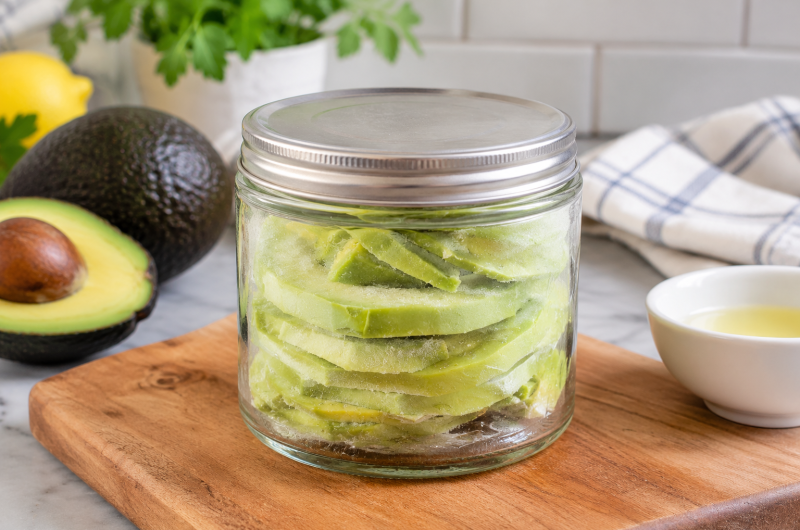
Next, line a baking sheet with parchment paper or a silicone baking mat. Arrange the avocado pieces in a single layer, leaving a little space between them so they do not freeze together. Place the tray in the freezer for at least one hour. This technique is called flash freezing, and it allows the individual pieces to become firm before you transfer them into a storage bag. Skipping this step can cause the pieces to stick together in one large frozen mass, making it difficult to remove a small portion later.
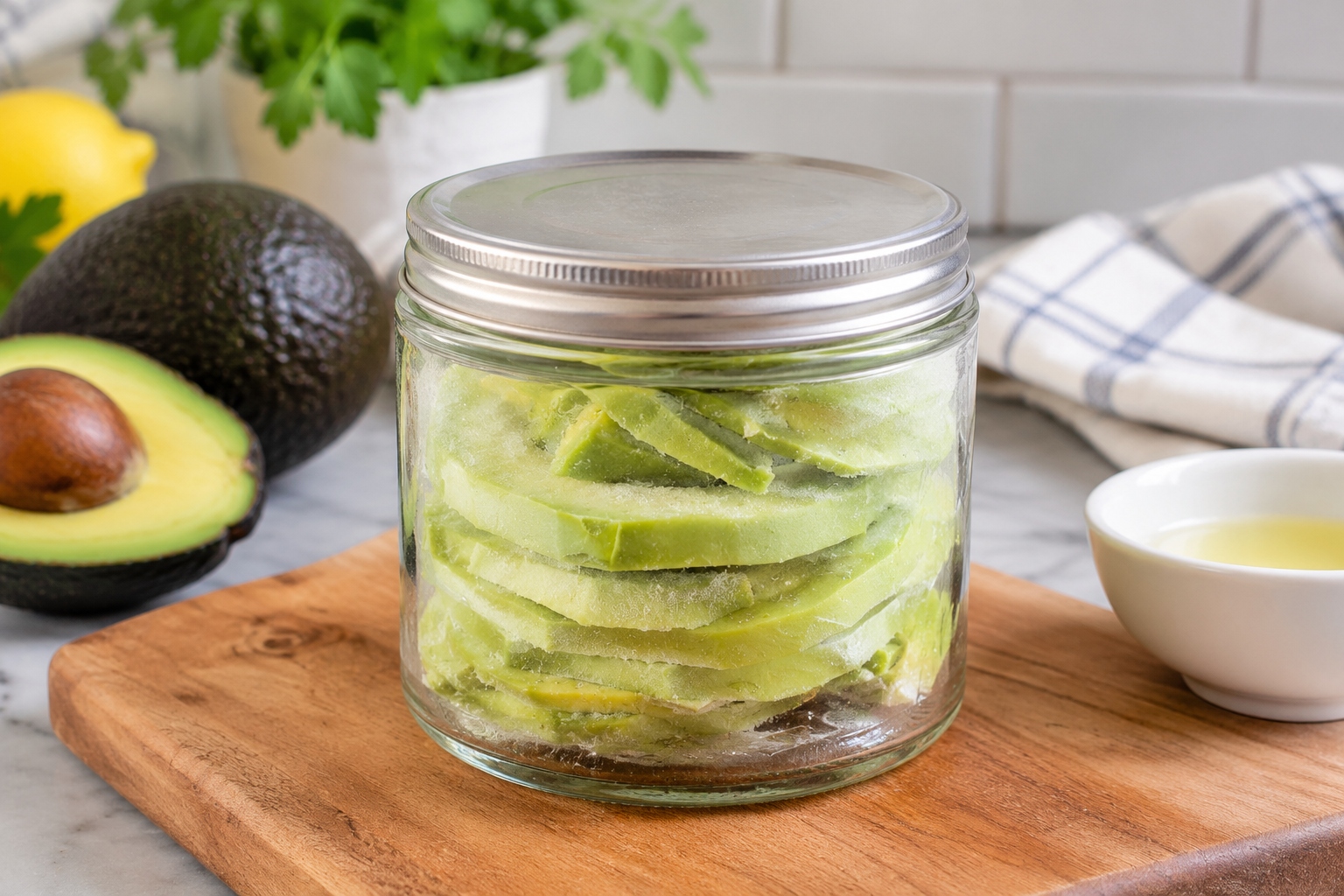
After the avocado pieces have frozen individually, transfer them to a freezer-safe bag or airtight container. Press out excess air from the bag before sealing it, or choose a container that fits the amount you are storing without leaving too much empty space. Mark the date on the package and return it to the freezer. For the best quality, aim to use frozen avocado slices or cubes within three months. These portions are particularly practical for smoothies and blended recipes because you can add them straight from the freezer when the recipe allows.
How to Freeze Mashed Avocado
Mashed avocado is an excellent choice when you regularly prepare guacamole, avocado toast, creamy dips, or smoothies. Because the flesh is already broken down, you will not need to spend time mashing it after thawing. It is also easy to divide into small servings, making it convenient for meal preparation and reducing the amount of leftover avocado that might otherwise be wasted. Mashed avocado generally freezes well for up to three months when protected from air and stored in suitable freezer containers.
Begin by washing and drying the avocados, then cut them in half and remove the pits. Scoop the flesh into a bowl, checking for and removing any brown portions. Use a fork to mash the avocado if you prefer a slightly chunky consistency. For a smoother puree, use a food processor instead. Add one tablespoon of fresh lemon juice per avocado as you mash or process the flesh. The juice helps slow oxidation and adds a mild citrus flavor that works well in many avocado recipes.
Once the avocado reaches your preferred consistency, divide it into individual portions and transfer each portion to an airtight, freezer-safe container. You can freeze one avocado per container or choose smaller amounts that match your usual recipes. Press the surface gently to remove air pockets and close the container securely. If using a suitable freezer bag, spread the mashed avocado into an even layer and press out the air before sealing. Smaller portions are particularly useful when you need only enough avocado for one smoothie, sandwich, or serving of dip.
Another convenient approach is to portion the mashed avocado into small scoops using a cookie scoop. Arrange the portions on a lined baking sheet and freeze them until firm, then move the frozen portions into a freezer-safe bag. This makes it easy to take out just one or two portions without thawing everything at once. If you plan to make guacamole later, you can also freeze the avocado with suitable additions such as onion, jalapeño, and cilantro. Keep in mind that added ingredients may change the flavor and texture, so choose additions that suit your intended recipe.
How to Thaw Frozen Avocados Properly
Thawing frozen avocado correctly helps you get the best possible flavor and texture. The easiest method is to transfer the amount you need from the freezer to the refrigerator the night before using it. Slow thawing allows the avocado to soften gradually and makes it easier to handle when preparing breakfast, smoothies, dips, or sauces. Keep the avocado in its storage container while it thaws to limit unnecessary exposure to air and help contain any moisture released during the process.
When you need avocado sooner, you can place a securely sealed, freezer-safe bag in a bowl of room-temperature water for up to an hour, checking its condition as it softens. The exact time depends on the size of the frozen portion, so smaller pieces will generally thaw faster than a whole avocado. Avoid leaving thawed avocado sitting out longer than necessary. Once it has softened enough for your recipe, open the package and use the fruit promptly for the best results.
After thawing, check the avocado’s appearance, smell, and texture before using it. Some softening is normal, and a small amount of surface discoloration can occur because of oxidation. You can remove a thin browned surface layer from mashed avocado when appropriate, but discard the fruit if it shows signs of spoilage, such as an unpleasant odor or an unusual, deteriorated texture. For the most appealing color, add a little lemon or lime juice and incorporate the avocado into your recipe soon after thawing.
How to Prevent Frozen Avocados From Turning Brown
Avocado browning is one of the most common concerns when preparing avocado for storage. The discoloration happens when the cut flesh comes into contact with oxygen and natural enzymes trigger oxidation. Freezing slows many changes in the fruit, but it does not guarantee that the avocado will remain bright green throughout storage or after thawing. Fortunately, a few simple preparation habits can help reduce browning and preserve a more attractive appearance for future meals.
First, use fresh lemon juice or lime juice on the exposed flesh before wrapping or freezing avocado pieces. Apply the juice evenly with a clean pastry brush or use a food-safe spray bottle to cover the surface lightly. You do not need to soak the avocado; the aim is to coat the exposed areas without overwhelming the natural flavor. Lemon juice is a particularly convenient choice because its mild acidity complements avocado in guacamole, dips, smoothies, and other common preparations.
Second, reduce the amount of air that reaches the avocado during storage. Wrap whole avocados and halves tightly, and press excess air out of freezer bags before sealing them. When storing mashed avocado, smooth the surface and close the container securely. Choose packaging that is designed for freezer use, and avoid repeatedly opening a large container when you could divide the fruit into smaller portions. These steps help limit oxidation and protect the avocado from unwanted freezer odors.
Finally, prepare your avocado efficiently. Wash and dry the fruit before cutting, remove any damaged or brown areas, and package the exposed flesh soon after slicing or mashing. Avoid leaving prepared avocado uncovered on the counter while you work on other ingredients. Although some browning may still occur, combining citrus juice, careful handling, and airtight packaging can help maintain better quality. For the freshest appearance, use thawed avocado promptly rather than leaving it exposed to air for an extended period.
How Long Do Frozen Avocados Last?
Frozen avocado can generally maintain good quality for around three months when properly prepared and stored in airtight, freezer-safe packaging. Whole avocados and halves are commonly frozen for up to three months, while slices, cubes, and mashed avocado are also best used within a similar period for good flavor and texture. Some whole avocados may remain usable for longer, but the quality can gradually decline. For predictable results, it is sensible to label every package with the date it was frozen.
Storage quality depends on more than the number of weeks in the freezer. The ripeness of the fruit, the amount of air in the packaging, and the consistency of the freezer temperature can all affect the final result. Avocados that were already overripe or damaged before freezing may not produce a good texture after thawing. Similarly, poorly sealed bags can allow air exposure and freezer odors to affect the fruit. Starting with sound, ripe avocados and sealing them carefully gives you a better chance of enjoying the stored fruit.
Organizing the freezer also makes it easier to avoid waste. Keep older packages toward the front so they are used first, and store portions in quantities that match your regular recipes. For example, small containers of mashed avocado are useful when preparing one or two servings, while a larger bag of cubes may suit frequent smoothie preparation. If you have several different forms of frozen avocado, label each package clearly so you can select the right type without opening multiple containers.
Best Ways to Use Frozen Avocados
Frozen avocado is most useful in recipes where its naturally soft texture is an advantage. Smoothies are one of the easiest choices because frozen avocado blends into a creamy mixture alongside fruit, milk, yogurt, or other ingredients. Avocado cubes can be added directly to a blender when the recipe calls for frozen ingredients. The mild flavor also works well with berries, bananas, mangoes, and cocoa, making frozen avocado a practical addition to a variety of breakfast drinks and snacks.
Mashed frozen avocado is particularly convenient for guacamole and other dips. After thawing, stir the avocado thoroughly and add the seasonings and fresh ingredients your recipe requires. Lemon or lime juice, onion, cilantro, and jalapeño can complement its flavor. Because thawed avocado may release moisture or become softer than fresh fruit, adjust the consistency before serving. If the mixture seems watery, stir it well and use it in a dip where a slightly softer texture will not affect the overall result.
You can also use frozen avocado in avocado mousse, creamy sauces, dressings, and blended spreads. These recipes benefit from the fruit’s rich texture without requiring perfectly firm slices. For sandwiches and wraps, thawed mashed avocado can be spread directly over bread or tortillas and paired with vegetables, eggs, or other fillings. It can also be blended into a sauce for pasta or used to add creaminess to a chilled dip. Choose the form of frozen avocado that requires the least extra preparation for your meal.
Frozen avocado is less suitable when you need neat, firm pieces for a fresh salad or decorative avocado toast. Once thawed, the flesh may be too soft to cut cleanly, and it may not have the same fresh, buttery bite. If presentation is important, use a fresh avocado instead. Keeping frozen avocado for blended, mashed, and creamy recipes allows you to make better use of the fruit while preserving fresh avocados for dishes where their original texture matters most.
Common Mistakes to Avoid When Freezing Avocados
One of the biggest mistakes is freezing avocados before they are ripe. An unripe avocado may remain firm or develop an unsatisfactory texture after thawing rather than becoming perfectly ripe. Always check the fruit before freezing and choose avocados that yield slightly to gentle pressure. At the same time, avoid fruit that is excessively soft, spoiled, or badly bruised, since freezing will not restore its quality.
Another common mistake is leaving too much air inside the packaging. Loose wrapping and partially filled bags can expose the avocado to oxygen, increasing the likelihood of browning and quality loss. Take a moment to press out excess air, close bags securely, and make sure containers are appropriate for freezer storage. When freezing slices or cubes, remember to flash freeze them on a lined tray before packing them together. Otherwise, the pieces may stick to one another and become difficult to portion.
It is also important to have realistic expectations about texture. Frozen avocado is not always a direct replacement for fresh avocado in every recipe. Thawed fruit is generally softer and may release some moisture, so it works best in dishes where it will be mashed, blended, or mixed with other ingredients. Do not assume that adding lemon juice will prevent all discoloration, either. Citrus juice can help slow browning, but airtight packaging, sensible storage, and prompt use after thawing remain important.
Frequently Asked Questions About Freezing Avocados
Can you freeze a whole avocado without cutting it?
Yes, you can freeze a whole avocado without removing the skin or pit. Wash and dry it thoroughly, wrap it tightly in plastic wrap or suitable beeswax wrap, and place it in a sealed freezer bag. This is a convenient option when you want to save time during preparation. Keep in mind that the texture will soften after thawing, so whole frozen avocados are generally more suitable for smoothies, dips, and mashed recipes than for fresh-looking slices.
Should you add lemon juice before freezing avocado?
Adding lemon juice is helpful when freezing avocado halves, slices, cubes, or mashed flesh because it can slow oxidation and reduce browning. Brush or drizzle a small amount over the exposed avocado before packaging it. Lime juice is another suitable option if you prefer its flavor. The citrus juice will not prevent every color change, so it is still important to minimize air exposure and store the avocado in an airtight, freezer-safe package.
Can you freeze mashed avocado for guacamole?
Yes, mashed avocado freezes well and is a convenient starting point for guacamole. Mash the ripe flesh with one tablespoon of lemon juice per avocado, then divide it into airtight, freezer-safe containers. You can also freeze small portions individually for easier use. After thawing, stir the mixture and add any fresh ingredients or seasonings needed to achieve your preferred flavor. Because thawed avocado may be softer than fresh avocado, the finished guacamole may have a slightly different texture.
How long can avocado stay in the freezer?
For the best quality, aim to use frozen avocado within about three months. This guideline applies to whole avocados, halves, slices, cubes, and mashed avocado when they are wrapped and stored properly. Some packages may remain usable beyond that period, but flavor, color, and texture can gradually deteriorate. Labeling packages with the freezing date helps you keep track of storage time and use older portions before newer ones.
Can you put frozen avocado directly into a smoothie?
Yes, avocado cubes or chunks can often go straight from the freezer into a blender for smoothies. This can help create a cold, creamy drink without requiring you to thaw the fruit separately. Make sure your blender is suitable for handling frozen ingredients, and follow its instructions. If the mixture is too thick, add liquid gradually until it reaches the consistency you prefer. Frozen avocado is also useful in blended desserts and other recipes that benefit from a smooth texture.
Why is my avocado brown after freezing?
Avocado can turn brown because its exposed flesh reacts with oxygen. Freezing slows this process but does not eliminate it, and discoloration may become noticeable during storage or after thawing. Lemon or lime juice, tight wrapping, and airtight containers can help reduce browning. If the avocado has only a thin discolored surface layer, you may be able to remove it and assess the flesh underneath. Discard the fruit if it has an unpleasant smell or other signs of spoilage.
Notes for Successful Avocado Freezing
For reliable results, start with ripe avocados and choose a freezing method based on how you plan to use the fruit. Whole avocados are convenient when you are short on time, slices and cubes make portioning easier, and mashed avocado is ideal for dips and spreads. Add lemon or lime juice to the exposed flesh, use freezer-safe packaging, and remove as much air as possible before sealing. These small steps help preserve flavor and reduce waste without requiring complicated equipment or special ingredients.
Plan to use frozen avocado within three months for the best quality, and thaw it in the refrigerator overnight whenever possible. If you are in a hurry, a sealed portion can be placed in room-temperature water for up to an hour, depending on its size. Once thawed, use the avocado promptly because exposure to air can cause further browning. Remember that the texture will usually be softer than fresh fruit, making frozen avocado most useful in smoothies, guacamole, mousse, sauces, and mashed spreads.
Serving and Storage Suggestions
Frozen avocado is a useful ingredient to keep on hand when you want to prepare meals quickly or make better use of seasonal bargains. Store whole fruit, halves, slices, cubes, and mashed portions separately according to your needs, and label every package with its contents and freezing date. Use airtight containers or freezer bags to protect the fruit from air and odors. Keeping portions small also makes it easier to thaw only what you need and avoid wasting unused avocado.
For everyday cooking, add frozen avocado to smoothies, prepare quick guacamole with thawed mashed fruit, or blend it into creamy sauces and desserts. If you want to serve fresh avocado slices in a salad or arrange them neatly on toast, fresh fruit is generally the better option because it retains a firmer texture. With the right storage method and realistic expectations, freezing avocados is an easy, practical way to reduce food waste and keep this versatile fruit ready for future recipes.
Healthy Freeze Avocado (No Browning, No Waste)
A practical guide to freezing whole avocados, halves, slices, cubes, and mashed avocado for future recipes.
1
servings10
minutes325
kcal60
minutes1
hour10
minutesIngredients
1 avocado
1 tablespoon fresh lemon juice
Directions
- Freezing Whole Avocados or Halves
- Wash the avocado thoroughly under running water and dry it completely with a clean towel.
- To freeze the avocado whole, wrap it tightly in plastic wrap or suitable beeswax wrap.
- Place the wrapped avocado inside a freezer-safe bag and press out excess air before sealing.
- To freeze halves instead, cut the avocado lengthwise and separate the two halves.
- Brush the exposed flesh with fresh lemon juice. You may leave the pit in place.
- Wrap each half securely, place it in a freezer-safe bag or airtight container, and freeze.
- Freezing Avocado Slices or Cubes
- Wash and dry the avocado, then cut it in half and remove the pit.
- Scoop out the flesh with a spoon and remove any brown portions.
- Cut the avocado into slices or cubes according to your intended use.
- Lightly brush or spray the pieces with fresh lemon juice if desired.
- Line a baking sheet with parchment paper or a silicone mat and arrange the pieces in a single layer.
- Freeze for at least one hour, allowing the pieces to become firm and separate.
- Transfer the frozen pieces into a freezer-safe bag or airtight container.
- Remove as much air as possible, seal securely, and return the avocado to the freezer.
- Freezing Mashed Avocado
- Wash and dry the avocado, cut it in half, and remove the pit.
- Scoop the flesh into a bowl and remove any brown portions.
- Mash with a fork for a chunky texture or use a food processor for a smoother consistency.
- Add one tablespoon of fresh lemon juice per avocado and mix thoroughly.
- Divide the mashed avocado into individual portions using airtight, freezer-safe containers.
- Press out excess air, seal the containers, and place them in the freezer.
- Alternatively, portion the mash into small scoops, flash freeze on a lined baking sheet, and transfer the frozen portions to a freezer bag.
Notes
- Unripe avocados will not reliably ripen after freezing.
- Lemon or lime juice can help slow oxidation, but it will not prevent all discoloration.
- Remove as much air as possible before sealing freezer bags or containers.
- Aim to use frozen avocado within three months for the best quality.
- Transfer the avocado to the refrigerator the night before use, or thaw a sealed portion in room-temperature water for up to an hour as needed.
- Frozen avocado is ideal for smoothies, guacamole, mousse, ice cream, sauces, and mashed avocado toast.
- Thawed avocado is softer than fresh avocado, so fresh fruit is generally preferable for salads and neatly sliced toppings.
Nutrition Facts
1 servings per container
- Amount Per ServingCalories330
- % Daily Value *
- Total Fat
30g
38%
- Total Carbohydrate
18g
7%
- Total Sugars 2g
- Protein 4g 8%
* The % Daily Value tells you how much a nutrient in a serving of food contributes to a daily diet. 2,000 calories a day is used for general nutrition advice.