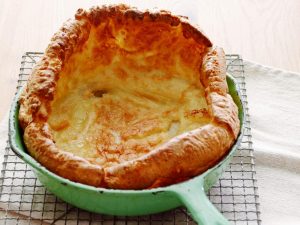
Yorkshire puddings have been a favorite side dish for generations, and once you make them in the air fryer, it’s easy to see why they are so popular. They are light, golden, crisp around the edges, and wonderfully soft in the center. While they are usually baked in a very hot oven, the air fryer offers an easy alternative that delivers excellent results without heating the whole kitchen.
I enjoy making these whenever I’m preparing a roast dinner because they cook quickly and come out beautifully puffed. The batter is made with only a few everyday ingredients, yet it transforms into something impressive after just a few minutes of cooking. The key is allowing the batter to rest and making sure the cooking fat is piping hot before adding it.
Whether you’re serving roast beef, chicken, pork, turkey, or lamb, these homemade Yorkshire puddings fit perfectly alongside your meal. They are also ideal for soaking up rich gravy thanks to their crisp shell and airy center.
Why the Air Fryer Works So Well
- The air fryer provides consistent heat in a compact cooking space, making it a great option for Yorkshire puddings. Once the cooking fat is thoroughly heated, the batter rises quickly and develops a crisp exterior while staying tender inside.
- Another advantage is convenience. Instead of waiting for a large oven to preheat, the air fryer reaches temperature much faster. It is also useful when the oven is already full with roast meat and vegetables.
- Although every air fryer cooks a little differently, the method is straightforward. After a little practice, you’ll know exactly how long your model needs for perfectly golden puddings.
The Secret to Light and Puffy Yorkshire Puddings
- The ingredients may be simple, but a few small details make a big difference.
- The batter should be smooth without any lumps. Whisking gradually while adding the milk helps create the right consistency. If you own an immersion blender, it can make the process even easier by blending everything into a silky batter within seconds.
- Resting the batter is another important step. Giving it at least 30 minutes allows the flour to fully absorb the liquid, which helps produce lighter, more evenly risen puddings.
- Perhaps the biggest secret is using very hot cooking fat. The batter should sizzle slightly when it touches the heated fat. This immediate burst of heat encourages the puddings to rise rapidly and creates their signature crisp edges.
Ingredients You’ll Need
- One of the reasons I make this recipe often is because the ingredient list is wonderfully short. Most kitchens already have everything required.
- Plain or all-purpose flour forms the structure of the batter while keeping the texture light.
- Salt adds gentle seasoning and balances the flavor without overpowering the finished puddings.
- Large eggs provide richness, help the batter rise, and contribute to the airy texture inside.
- Milk creates a smooth batter that bakes into a soft center with crisp edges. Semi-skimmed milk works perfectly, though the recipe remains simple and reliable with the measurements provided.
- To cook the puddings, vegetable cooking fat or sunflower oil is essential because both tolerate high temperatures well. Heating the fat before adding the batter helps achieve the classic rise that Yorkshire puddings are known for.
Choosing the Right Cooking Container
- One benefit of this recipe is that it works with several different containers, making it easy to adapt to whichever equipment you already have.
- A silicone muffin tray is a practical choice because it fits comfortably inside many air fryer baskets. Even though silicone does not conduct heat quite as efficiently as metal, it still produces excellent results.
- Ramekins are another reliable option. They create evenly shaped puddings and are especially useful if you don’t own a muffin tray.
- Metal pudding tins are also excellent because they heat quickly and encourage an even golden finish.
- For larger Yorkshire puddings, small cake tins work surprisingly well. They produce a wider pudding with a deep center that is perfect for holding plenty of gravy.
- No matter which container you choose, avoid filling each one more than halfway with batter. Leaving room allows the puddings to expand and develop their characteristic tall, airy shape.
Preparing the Batter
- Making the batter only takes a few minutes.
- Start by adding the flour and salt to a mixing bowl and stirring them together. Crack in the eggs, pour in a small amount of the milk, and begin whisking from the center of the bowl. This method gradually incorporates the flour into the liquid, making it easier to avoid lumps.
- Continue pouring in the remaining milk while whisking until the batter becomes smooth and slightly runny. There should be no dry pockets of flour remaining.
- Once mixed, leave the batter to rest for at least 30 minutes. If preparing ahead, it can also be refrigerated overnight. Before cooking, give the batter another good stir so everything is evenly combined again.
Heating the Fat Properly
- Before pouring in any batter, place your chosen muffin tray, ramekins, or pudding tins into the air fryer basket. Add about half a teaspoon of vegetable cooking fat or sunflower oil to each section.
- Preheat the air fryer to 200°C (400°F) for 10 minutes. This step should never be skipped because properly heated fat is one of the biggest factors in creating Yorkshire puddings that rise beautifully.
- Once the fat is hot, work quickly. Stir the batter, carefully pour it into each prepared container until it sits just below halfway, then return everything to the air fryer immediately. Starting the cooking process while the fat is still extremely hot gives the puddings the best opportunity to puff up, develop crisp golden edges, and create the light texture that makes homemade Yorkshire puddings such a favorite addition to any roast dinner.
Cooking the Yorkshire Puddings
- With the batter poured into the hot tins, it’s time to let the air fryer do the work. Place the basket back into the air fryer immediately to avoid losing heat. The first few minutes are when the batter begins to rise, so keeping the temperature consistent helps create the best shape.
- Cook the puddings for 10 minutes without opening the air fryer. During this time, they will become beautifully puffed and develop a golden top. Although they may look fully cooked from above, the bottom will still need a little more time to become crisp.
- Using kitchen tongs, carefully turn each pudding over. Continue cooking for another 5 minutes if making smaller Yorkshire puddings. If you’re using larger cake tins or deeper ramekins, allow up to 10 additional minutes until they are evenly golden.
- Once finished, the puddings should feel light when lifted and have crisp edges with a soft, airy center. If they seem slightly heavy or undercooked, simply return them to the air fryer for another minute or two until they reach the desired texture.
- Continue cooking the remaining batter in batches until everything has been used. Depending on the size of your tins, this recipe makes approximately 8 to 12 Yorkshire puddings.
How to Tell When They’re Done
- Perfect Yorkshire puddings have a few easy signs to look for.
- The outside should be a rich golden brown with crisp edges that hold their shape. The inside should remain light rather than dense, with plenty of space for gravy to collect.
- If the puddings appear pale, continue cooking briefly. Likewise, if the bottoms still feel soft after flipping, another minute or two in the air fryer basket usually solves the problem.
- Every air fryer cooks slightly differently, so don’t worry if your first batch needs a small adjustment in cooking time. Once you know how your machine performs, repeating the recipe becomes much easier.
Helpful Tips for the Best Results
- Small details can make a noticeable difference when making Yorkshire puddings.
- Always allow the batter to rest before cooking. This gives the flour enough time to absorb the liquid and helps produce a lighter texture.
- Whisk the batter again after resting. Some ingredients naturally settle, so a quick mix ensures an even consistency.
- Never skip preheating the cooking fat. Hot fat creates the rapid rise that Yorkshire puddings are famous for.
- Avoid overfilling the tins. Filling them just below halfway leaves enough room for the batter to expand without spilling over.
- If using silicone muffin trays, the bottoms may need a little extra cooking compared to metal tins. After removing the puddings from the moulds, they can be placed directly into the air fryer basket for another minute or two if you would like extra crispness.
Serving Ideas
- Yorkshire puddings are traditionally served with roast dinners, but they pair well with many different meals.
- They are especially delicious alongside roast beef and rich gravy, where the crisp shell catches every spoonful of sauce.
- Roast chicken also makes an excellent combination, especially with roasted potatoes and seasonal vegetables.
- If you’re preparing roast pork, the light texture of the pudding balances the richness of the meat perfectly.
- They also work beautifully with roast lamb, turkey, or any meal served with homemade gravy. Even simple family dinners feel a little more special when fresh Yorkshire puddings are on the table.
- For larger puddings baked in small cake tins, you can fill the center with sliced roast meat, vegetables, and plenty of gravy for an impressive presentation.
Storing Leftovers
- Although these are usually enjoyed fresh, leftovers can easily be stored.
- Allow the Yorkshire puddings to cool completely before transferring them to an airtight container. Refrigerate for up to 2 days.
- As they cool, the crisp exterior naturally softens slightly, but reheating restores much of the original texture.
- To warm them again, place them in the air fryer at 160°C (320°F) for about 3 minutes. They quickly become hot and crisp without drying out.
Freezing Instructions
- These Yorkshire puddings freeze exceptionally well, making them convenient for future meals.
- After cooling completely, arrange them in a single layer on a baking tray or plate and freeze until firm. Once frozen, transfer them to a freezer-safe container or storage bag. Freezing them individually first prevents them from sticking together.
- There’s no need to thaw before reheating.
- Simply place the frozen puddings into the air fryer basket and cook at 180°C (360°F) for approximately 5 minutes, or until heated through and crisp again.
- This method makes it easy to prepare a batch ahead of time for holidays or busy weeknight dinners.
Common Mistakes to Avoid
- A few common mistakes can prevent Yorkshire puddings from reaching their full potential.
- Using fat that hasn’t fully heated is one of the biggest reasons puddings fail to rise properly. Taking the extra time to preheat makes a noticeable difference.
- Opening the air fryer too early can interrupt the rising process. Let the puddings cook undisturbed during the first stage before checking them.
- Another mistake is pouring too much batter into each tin. Overfilled tins leave less room for expansion and can produce heavier puddings.
- Finally, remember that different containers affect cooking times. Silicone, metal pudding tins, ramekins, and mini cake tins all transfer heat differently, so small adjustments may be needed depending on the equipment you use.
Description
- These Air Fryer Yorkshire Puddings are crisp on the outside, light and airy on the inside, and made with a simple homemade batter. They are perfect for serving with roast beef, chicken, pork, lamb, turkey, or any meal finished with rich gravy. Using an air fryer makes them easy to prepare while delivering beautifully puffed Yorkshire puddings every time.
Recipe Details
- Prep Time: 5 minutes
- Resting Time: 30 minutes
- Cook Time: 15 minutes
- Total Time: 50 minutes
- Servings: 12 Yorkshire puddings
Ingredients
For the Batter
- 130 g (1 cup) plain/all-purpose flour
- ½ teaspoon salt
- 3 large eggs
- 240 ml (1 cup) semi-skimmed milk
For Cooking
- 3 tablespoons vegetable cooking fat (such as Trex) or sunflower oil, divided as needed
Instructions
1. Prepare the Batter
- Add the flour and salt to a large mixing bowl and stir together.
- Crack the eggs into the bowl and pour in a small splash of the milk.
- Whisk from the center outward until the mixture starts coming together.
- Gradually pour in the remaining milk while whisking until the batter is completely smooth.
- Let the batter rest for 30 minutes at room temperature or refrigerate overnight if making ahead.
- Stir the batter well before using.
2. Preheat the Air Fryer
- Place a silicone muffin tray, ramekins, pudding tins, or mini cake tins inside the air fryer basket.
- Add about ½ teaspoon of vegetable cooking fat or sunflower oil to each cavity.
- Preheat the air fryer to 200°C (400°F) for 10 minutes, allowing the fat to become very hot.
3. Cook the Yorkshire Puddings
- Carefully pour the batter into each prepared tin until it is just under halfway full.
- Air fry for 10 minutes without opening the basket.
- Carefully flip each pudding using tongs.
- Continue cooking for:
- 5 minutes for smaller puddings.
- Up to 10 minutes for larger puddings.
- Cook until the puddings are golden brown, crisp around the edges, and light inside.
- Repeat with the remaining batter if cooking in batches.
4. Serve
Serve immediately while hot with roast beef, chicken, pork, lamb, turkey, or your favorite roast dinner, along with plenty of gravy.
Notes
- Resting the batter helps produce lighter Yorkshire puddings.
- Preheating the cooking fat is essential for a good rise.
- Stir the batter again before pouring into the hot tins.
- Fill the tins just below halfway to leave room for expansion.
- If using silicone trays, you can crisp the puddings for 1–2 extra minutes directly in the air fryer basket if needed.
- An immersion blender can be used to blend the batter until smooth.
Recommended Cookware
- Silicone muffin tray
- 6-ounce ramekins
- Yorkshire pudding tins
- 4-inch mini cake tins
Storage
Allow the Yorkshire puddings to cool completely before storing.
- Refrigerator: Store in an airtight container for up to 2 days.
- To Reheat: Air fry at 160°C (320°F) for 3 minutes until hot and crisp.
Freezing
- Cool the puddings completely.
- Freeze them in a single layer until firm.
- Transfer to a freezer-safe bag or container.
Reheat from Frozen:
Air fry at 180°C (360°F) for 5 minutes, or until heated through and crisp.
Nutrition (Per Serving)
- Calories: 98 kcal
- Carbohydrates: 9 g
- Protein: 3 g
- Fat: 5 g
- Saturated Fat: 1 g
- Polyunsaturated Fat: 2 g
- Monounsaturated Fat: 1 g
- Trans Fat: 0.03 g
- Cholesterol: 43 mg
- Sodium: 121 mg
- Potassium: 58 mg
- Fiber: 0.3 g
- Sugar: 1 g
- Vitamin A: 93 IU
- Calcium: 33 mg
- Iron: 1 mg