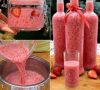
Refreshing lemon water is one of the most enjoyable, simple, cooling, and naturally delicious beverages that can be prepared at home with minimal ingredients yet deliver incredible freshness and satisfaction. This drink has remained popular across many cultures for generations because of its bright citrus flavor, cooling effect, beautiful aroma, and ability to instantly refresh the body and mind. A properly prepared lemon water drink is far more than simply squeezing lemons into water. The perfect version balances sweetness, acidity, temperature, aroma, texture, and infusion time to create a smooth and vibrant beverage that tastes both energizing and relaxing at the same time.
This detailed and extensive recipe explains every single aspect of preparing exceptional lemon water, including ingredient selection, flavor balancing, infusion techniques, serving methods, storage guidance, flavor science, presentation ideas, variations, and advanced preparation tips. By carefully following these steps, you can prepare a homemade lemon water drink that tastes cleaner, fresher, and more flavorful than many restaurant or café versions.
Ingredients for the Main Lemon Water Drink
10 large fresh lemons
12 cups cold filtered water
5 tablespoons honey, sugar, or natural sweetener
2 teaspoons freshly grated lemon zest
2 tablespoons fresh lime juice
1 small cucumber sliced very thin
15 fresh mint leaves
1 teaspoon freshly grated ginger
1 pinch sea salt
2 cups ice cubes
Extra lemon slices for serving
Fresh mint sprigs for garnish
Optional Ingredients for Enhanced Flavor
Fresh basil leaves
Orange slices
Strawberries sliced
Blueberries
Pineapple chunks
Green apple slices
Chia seeds
Rose water
Coconut water
Sparkling water
Fresh rosemary
Fresh thyme
Vanilla extract
Honey syrup
Maple syrup
Crushed black pepper
Cinnamon stick
Cardamom pods
Lavender buds
Aloe vera juice
Watermelon cubes
Understanding the Importance of Each Ingredient
Lemons are the star ingredient and provide the signature citrus flavor, natural acidity, refreshing aroma, and bright taste profile. Fresh lemons contain fragrant essential oils in their peel that dramatically improve flavor.
Filtered water forms the foundation of the drink. Since lemon water contains very few ingredients, the quality of the water greatly affects the final result. Clean, cold water creates a crisp and pure flavor.
Sweetener balances the sharp acidic nature of lemons. Honey adds floral depth while sugar produces a cleaner sweetness. Maple syrup creates a richer flavor while natural syrups add complexity.
Mint leaves introduce cooling freshness and aromatic herbal notes that pair beautifully with citrus.
Cucumber provides a clean and hydrating flavor that softens the sharpness of lemon and creates a spa-style drink.
Ginger contributes warmth and gentle spice that adds depth without overpowering the beverage.
Sea salt, when used in tiny amounts, enhances sweetness and boosts overall flavor balance.
Lime juice increases citrus complexity and gives the drink additional brightness.
Step 1 Preparing the Lemons
Choose lemons that are bright yellow, heavy for their size, and slightly soft when gently pressed. These signs indicate juicy and ripe lemons.
Avoid lemons with dry skin, green patches, or hard texture because they usually contain less juice and weaker flavor.
Wash the lemons thoroughly under cool running water. Since the recipe uses lemon zest, cleaning the outer surface is extremely important. You may use a vegetable brush to gently scrub the peel.
Dry the lemons completely using a clean kitchen towel.
Step 2 Extracting Lemon Zest
Take three lemons and grate only the yellow outer layer using a fine grater or citrus zester. The yellow peel contains highly aromatic citrus oils that create a deeper and more vibrant flavor.
Avoid grating the white pith underneath because it introduces bitterness into the drink.
Place the fresh zest into a small bowl.
Step 3 Creating Citrus Sugar for Advanced Flavor
For a more professional result, combine the lemon zest with the sugar or sweetener in a bowl.
Rub the zest and sugar together gently using your fingertips for several minutes.
This process releases natural oils from the zest and infuses the sweetener with concentrated citrus aroma.
The mixture will become fragrant, moist, and intensely lemony.
Professional cafés and restaurants often use this method because it creates fuller flavor.
Step 4 Juicing the Lemons
Roll each lemon firmly on the countertop before cutting. This helps release more juice.
Cut all lemons in half.
Use a citrus juicer, reamer, or your hands to squeeze out all juice.
Remove all seeds carefully.
Strain the juice through a fine sieve if you prefer perfectly smooth lemon water.
Freshly squeezed lemon juice tastes brighter, sweeter, and fresher than bottled alternatives.
You should obtain approximately two cups fresh lemon juice depending on lemon size.
Step 5 Preparing the Flavor Base
Take a large glass pitcher.
Add the fresh lemon juice.
Add the citrus sugar mixture.
Stir thoroughly until partially dissolved.
Add grated ginger and sea salt.
Mix continuously for one minute.
The flavor base should smell intensely fresh and citrusy at this stage.
Step 6 Adding Water
Slowly pour cold filtered water into the pitcher while stirring continuously.
Adding water gradually helps ingredients blend evenly.
Taste the mixture after adding half the water.
Adjust sweetness or acidity if needed.
Some people prefer stronger lemon flavor while others enjoy lighter citrus notes.
The ideal balance should feel refreshing rather than overly sour.
Step 7 Adding Fresh Ingredients
Add cucumber slices into the pitcher.
Lightly crush mint leaves between your palms before adding them. This releases aromatic oils and dramatically improves flavor.
Add lime juice for extra brightness.
You may also add basil, rosemary, or fruit slices at this stage depending on your preferred variation.
Step 8 Chilling and Infusion
Place the pitcher inside the refrigerator.
Allow the lemon water to chill for at least one hour.
Longer chilling time improves flavor because ingredients infuse naturally into the water.
During infusion, mint releases cooling herbal notes while cucumber softens citrus sharpness.
The overall flavor becomes smoother and more balanced over time.
Step 9 Preparing the Serving Glasses
Use tall chilled glasses for best presentation.
Add ice cubes to each glass.
For decorative serving, freeze mint leaves and lemon slices inside ice cubes beforehand.
This creates a beautiful appearance and keeps the drink cold without watering it down too quickly.
Step 10 Serving the Lemon Water
Stir the pitcher thoroughly before pouring.
Pour lemon water slowly over the ice.
Add fresh lemon slices and mint sprigs to each serving glass.
Serve immediately while cold and aromatic.
The drink should taste clean, balanced, naturally citrusy, lightly sweet, and extremely refreshing.
Advanced Flavor Variations
Classic Mint Lemon Water
Increase mint quantity for stronger cooling flavor.
Reduce sweetness slightly so mint becomes more noticeable.
Cucumber Spa Lemon Water
Use extra cucumber slices and very light sweetening.
This variation tastes clean, delicate, and luxurious.
Berry Citrus Lemon Water
Add strawberries, blueberries, and raspberries.
Allow berries to infuse for at least one hour.
The fruit releases subtle sweetness and beautiful color.
Tropical Lemon Water
Add pineapple chunks and replace part of the water with coconut water.
This variation tastes smooth, fruity, and tropical.
Ginger Honey Lemon Water
Increase fresh ginger and sweeten entirely with honey.
This version creates warming depth while remaining refreshing.
Sparkling Lemon Water
Replace half the still water with chilled sparkling water just before serving.
Always add sparkling water at the end to preserve carbonation.
Herbal Lemon Water
Add rosemary, basil, thyme, or lavender for fragrant herbal complexity.
Watermelon Lemon Cooler
Blend watermelon cubes and strain before mixing into the lemon base.
This creates a naturally sweet summer drink.
Green Tea Lemon Water
Replace part of the water with chilled green tea.
This creates earthy depth and mild caffeine energy.
Orange Lemon Citrus Blend
Mix fresh orange juice with lemon juice for smoother citrus flavor.
Importance of Temperature
Cold temperature is essential for proper lemon water.
Warm lemon water tastes sharper and less refreshing.
The ideal serving temperature is extremely cold but not frozen.
If preparing for outdoor gatherings, keep the pitcher surrounded by ice.
How to Make Lemon Water for Large Gatherings
For parties or events, multiply the recipe ingredients according to guest count.
Prepare the lemon juice base ahead of time.
Add fresh herbs and ice shortly before serving.
Use transparent beverage dispensers for attractive presentation.
Float lemon wheels, cucumber ribbons, and mint leaves throughout the dispenser.
Flavor Science Behind Lemon Water
Lemon contains citric acid which stimulates saliva production and creates a refreshing sensation.
The aroma from lemon zest contains volatile oils that strongly influence taste perception.
Mint contains menthol which produces a cooling effect.
Cold temperatures suppress excessive sweetness and enhance refreshment.
A tiny amount of salt heightens sweetness and reduces bitterness.
Properly balanced lemon water combines all these elements harmoniously.
Best Times to Enjoy Lemon Water
Early morning
After exercise
During hot afternoons
Alongside meals
During gatherings
At picnics
After heavy foods
While relaxing outdoors
During summer evenings
As a healthier soda alternative
Pairing Suggestions
Grilled chicken
Fresh salads
Rice dishes
Sandwiches
Seafood
Fruit platters
Light pasta
Wraps
Vegetable snacks
Roasted foods
Storage Instructions
Store lemon water in a covered glass container inside the refrigerator.
Avoid metal containers because citrus acid may affect flavor.
Best consumed within 24 hours for maximum freshness.
After one day, remove lemon slices and herbs to prevent bitterness.
The drink remains usable for up to 3 days but tastes freshest on the first day.
Nutritional Information Approximate
Calories 30 to 60 depending on sweetener
Vitamin C high
Fat 0 grams
Protein less than 1 gram
Carbohydrates 8 to 14 grams
Sugar varies
Hydration excellent
Common Mistakes to Avoid
Using bottled lemon juice
Adding too much sugar
Leaving zest too long causing bitterness
Skipping chilling time
Using poor quality water
Adding sparkling water too early
Using old mint leaves
Adding too much ginger
Serving without ice
Ignoring flavor balance
Professional Presentation Techniques
Use transparent glass pitchers.
Cut lemons into thin uniform slices.
Float mint leaves attractively on top.
Serve with reusable straws.
Use large clear ice cubes.
Decorate glass rims lightly with sugar.
Serve on chilled trays.
Add edible flowers for elegant appearance.
Restaurant Style Lemon Water Method
Professional beverage makers often create a lemon syrup concentrate first.
The concentrate combines lemon juice, zest, sugar, and small amounts of warm water.
This concentrate is chilled before dilution.
The result is smoother, richer, and more aromatic.
Another professional technique is double straining.
First strain removes seeds and pulp.
Second strain creates silky texture.
Historical Background of Lemon Drinks
Lemon-based beverages have existed for centuries across many regions of the world.
Ancient cultures valued lemons for their refreshing flavor and preservation qualities.
Traditional citrus drinks became especially popular in warm climates because they helped create cooling beverages during hot weather.
Over time, different cultures added herbs, fruits, and spices to develop unique lemon drink traditions.
Today lemon water remains one of the most universal homemade drinks because it is affordable, adaptable, and naturally refreshing.
Benefits of Homemade Lemon Water Compared to Store Drinks
Lower sugar content
No artificial colors
No preservatives
Customizable flavor
Fresh ingredients
Better aroma
More natural taste
Healthier hydration
Cost effective
Easy preparation
Ideas for Creative Serving
Serve in mason jars.
Use frozen fruit instead of ice cubes.
Create layered citrus slices inside glasses.
Serve with fresh herb bundles.
Use flavored ice cubes.
Mix with herbal teas.
Prepare mini lemon water stations for parties.
Offer multiple flavor combinations.
How to Make Lemon Ice Cubes
Squeeze fresh lemon juice into ice cube trays.
Add tiny mint leaves into each section.
Freeze completely.
Use these cubes in future lemon water drinks.
This technique prevents flavor dilution.
How to Sweeten Naturally
Honey creates floral sweetness.
Maple syrup adds warmth.
Dates blended with water create natural syrup.
Stevia provides low-calorie sweetness.
Agave syrup dissolves smoothly in cold liquids.
Fruit infusions naturally sweeten the drink.
Why Fresh Herbs Matter
Fresh herbs contain aromatic oils that bottled flavorings cannot replicate.
Mint creates cooling sensation.
Basil adds sweetness.
Rosemary provides woody aroma.
Lavender creates floral elegance.
Fresh herbs dramatically elevate simple lemon water.
Seasonal Adaptations
Summer version includes cucumber, mint, watermelon, and ice.
Winter version includes ginger, honey, cinnamon, and warm water.
Spring version includes berries and basil.
Autumn version includes apple slices and cinnamon.
Children’s Lemon Water Variation
Reduce acidity slightly.
Add orange juice for sweetness.
Use colorful fruit ice cubes.
Serve in fun glasses.
Avoid excessive ginger.
Luxury Hotel Style Lemon Water
Luxury hotels often serve infused lemon water in large glass dispensers.
They use combinations such as cucumber mint lemon, strawberry basil lemon, or rosemary citrus blends.
The water is infused slowly for several hours.
Presentation is elegant and minimalist.
The flavor is subtle rather than overpowering.
Final Taste Description
A perfectly prepared refreshing lemon water drink should taste bright, clean, smooth, cold, lightly sweet, naturally citrusy, and deeply refreshing. The lemon flavor should feel vibrant but not harsh. Mint and cucumber should gently support the citrus without overpowering it. Every sip should leave a cooling and revitalizing sensation that encourages another sip immediately. The aroma should smell fresh and uplifting while the appearance should look crystal clear, colorful, and inviting.
This timeless homemade drink remains one of the best examples of how simple natural ingredients can create something incredibly refreshing, satisfying, and enjoyable for all ages.