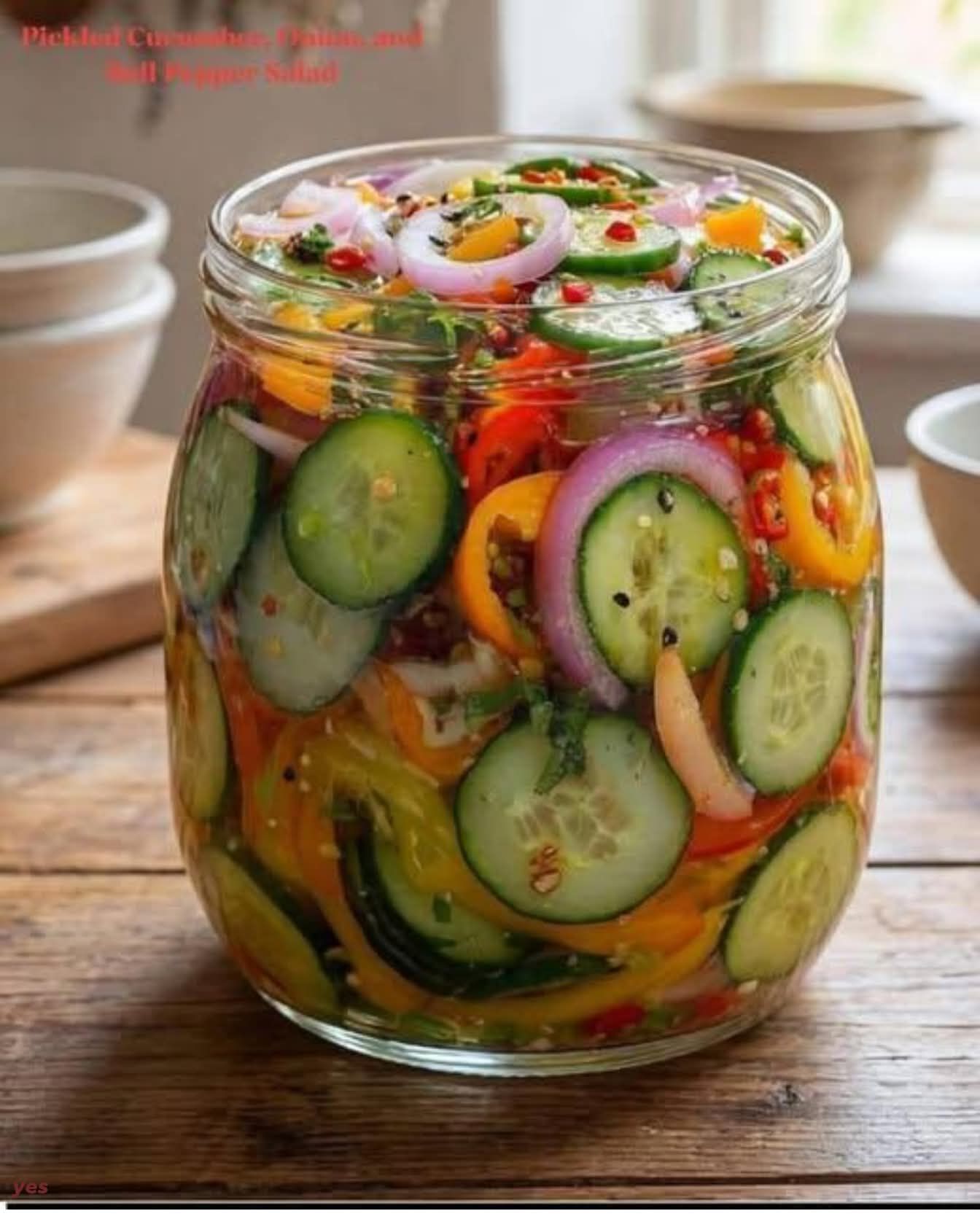
Anti-inflammatory pickled cucumbers are not just a preserved food—they are a functional preparation designed to combine hydration, digestive support, and bioactive compounds that may help reduce inflammation in the body.
Inflammation is influenced by diet, and certain plant compounds such as polyphenols, flavonoids, and sulfur compounds may help regulate inflammatory pathways. This recipe intentionally combines multiple such ingredients in a stable, absorbable, and flavorful form.
Unlike conventional pickles that focus mainly on taste and preservation, this version emphasizes:
- Nutrient preservation
- Synergistic ingredient combinations
- Digestive enhancement
- Reduced irritants (controlled salt, natural acidity)
2. Understanding the Ingredients in Depth
2.1 Cucumbers (Primary Base)
Cucumbers are composed of about 95–96 percent water, making them excellent for hydration. They also contain:
- Flavonoids (anti-inflammatory compounds)
- Tannins (mild antioxidant effect)
- Vitamin K (supports circulation and bone health)
Best varieties:
- Kirby cucumbers (firm, ideal for pickling)
- Persian cucumbers (thin skin, fewer seeds)
- English cucumbers (milder, but slightly softer)
Avoid:
- Overripe cucumbers (soft texture)
- Bitter cucumbers (can affect final taste)
2.2 Vinegar (Acid Component)
Apple cider vinegar is preferred due to:
- Acetic acid (preservation and microbial control)
- Polyphenols (mild antioxidant properties)
- Enzymes if unfiltered
Acidity level matters:
- Ideal pH for safe pickling: below 4.6
- Too little vinegar risks spoilage
- Too much creates harsh flavor and can overpower medicinal ingredients
2.3 Salt (Osmotic Control)
Salt serves multiple roles:
- Draws moisture from cucumbers (osmosis)
- Enhances texture (firmness)
- Inhibits harmful bacteria
Recommended types:
- Sea salt
- Himalayan pink salt
Avoid iodized salt because:
- It can create cloudy brine
- It may interfere with beneficial reactions
2.4 Turmeric (Core Anti-Inflammatory Agent)
Contains curcumin, known for:
- Reducing inflammatory signaling pathways
- Supporting joint and metabolic health
Important detail:
Curcumin alone has low bioavailability. It must be paired with black pepper to significantly improve absorption.
Fresh turmeric vs powder:
- Fresh: milder, more complex flavor
- Powder: stronger, more concentrated
2.5 Black Pepper (Absorption Enhancer)
Contains piperine, which:
- Enhances curcumin absorption by up to several folds
- Adds mild heat and depth
2.6 Ginger (Digestive and Anti-Inflammatory)
Active compounds:
- Gingerol and shogaol
Benefits:
- Improves digestion
- Reduces bloating
- Supports anti-inflammatory pathways
2.7 Garlic (Immune Support)
Contains allicin:
- Released when crushed
- Has antimicrobial and anti-inflammatory properties
Preparation tip:
Crush and let sit for 5–10 minutes before adding to maximize allicin formation.
2.8 Mustard and Coriander Seeds
- Mustard seeds: add mild pungency and digestive stimulation
- Coriander seeds: cooling effect and gut support
2.9 Optional Additions with Functional Roles
Dill:
- Traditionally used in pickling
- Supports digestion
Mint:
- Cooling effect
- Helps reduce gut irritation
Fennel:
- Anti-bloating properties
Chili:
- Contains capsaicin (can be anti-inflammatory in moderation)
Bay leaf:
- Adds subtle aromatic complexity
3. Equipment and Preparation Hygiene
Proper hygiene is essential to prevent contamination.
Required:
- Glass jars (sterilized)
- Stainless steel or non-reactive pot
- Clean utensils
Sterilization method:
- Wash jars with hot soapy water
- Rinse thoroughly
- Boil in water for 10 minutes or heat in oven at low temperature
- Let air dry without touching inside
4. Step-by-Step Preparation (Expanded)
Step 1: Preparing Cucumbers
Wash thoroughly to remove:
- Dirt
- Pesticide residue
Optional soaking:
- Soak in cold water for 1–2 hours for extra crispness
Cutting styles:
- Spears: traditional texture
- Chips: faster absorption
- Whole small cucumbers: longest shelf life
Uniform cutting ensures even pickling.
Step 2: Pre-Salting (Optional Advanced Step)
Lightly salt cucumber slices and let sit for 30–60 minutes.
Purpose:
- Removes excess water
- Improves crunch
- Concentrates flavor
Rinse lightly after salting if you want lower sodium.
Step 3: Preparing the Brine
Combine:
- Water
- Vinegar
- Salt
Heat gently:
- Do not overboil (can degrade delicate compounds)
Add spices during heating to:
- Extract essential oils
- Activate compounds
Simmer for about 5 minutes.
Step 4: Flavor Layering
In jar:
- Bottom layer: garlic, ginger, spices
- Middle: cucumbers
- Top: herbs and delicate ingredients
This layering ensures even distribution.
Step 5: Pouring Brine
Pour warm (not boiling) brine over cucumbers.
Important:
- Leave about 1–2 cm headspace
- Remove trapped air bubbles by gently tapping jar
Step 6: Cooling Phase
Allow jars to cool naturally.
Do not seal tightly while hot:
- Can create pressure imbalance
Step 7: Refrigeration Phase
Seal and refrigerate.
Flavor timeline:
- 6 hours: mild infusion
- 24 hours: balanced flavor
- 72 hours: strong infusion
- 5+ days: maximum depth
5. Fermented Alternative (Advanced)
Instead of vinegar:
- Use saltwater brine
Process:
- Leave at room temperature for 2–5 days
- Natural bacteria produce lactic acid
Benefits:
- Probiotics
- Enhanced gut health
Risks:
- Requires strict hygiene
- Monitor for mold
6. Troubleshooting
Soft Pickles
Causes:
- Old cucumbers
- Too little salt
- Overheating brine
Fix:
- Use fresher produce
- Increase salt slightly
Too Sour
Cause:
- Excess vinegar
Fix:
- Dilute with water next time
- Add small amount of natural sweetener
Cloudy Brine
Causes:
- Iodized salt
- Contamination
Bitter Taste
Cause:
- Poor quality cucumbers
7. Optimization for Health Goals
For Stronger Anti-Inflammatory Effect
- Increase turmeric and ginger
- Use fresh ingredients
- Add black pepper consistently
For Gut Health
- Choose fermented version
- Add garlic and fennel
For Weight Management
- Skip sweeteners
- Use more vinegar
8. Storage Science
Refrigerated pickles:
- Last 2–3 weeks
Fermented pickles:
- Can last longer if properly stored
Always:
- Keep submerged
- Avoid contamination
9. Serving Ideas
- Side dish with meals
- Added to salads
- With rice or grains
- In wraps or sandwiches
- As a palate cleanser