
Introduction
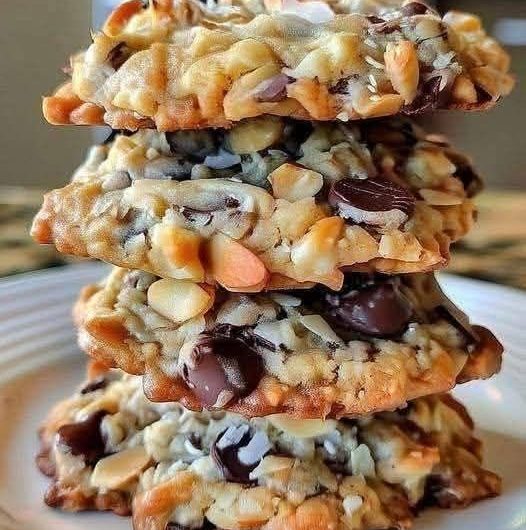
Cookies Magiques, commonly known as Magic Cookies, are one of those delightful homemade treats that seem almost too good to be true. They combine a variety of simple ingredients into a single cookie that delivers multiple flavors and textures in every bite. Rich chocolate, sweet coconut, crunchy nuts, buttery dough, and a perfectly balanced sweetness all come together to create a cookie that feels truly magical. The beauty of these cookies lies not only in their taste but also in their versatility. Every baker can add a personal touch, making each batch unique while preserving the beloved characteristics that make Magic Cookies so famous.
For generations, home bakers have relied on recipes like this because they are dependable, crowd-pleasing, and suitable for almost any occasion. Whether served during holidays, family celebrations, afternoon tea gatherings, bake sales, school events, or casual weekend baking sessions, Cookies Magiques never fail to impress. Their rich aroma fills the kitchen while baking, creating an atmosphere of warmth and comfort that makes homemade baking such a treasured tradition.
Unlike many complicated desserts that require advanced techniques and specialized equipment, these cookies are wonderfully approachable. The ingredients are simple, the method is straightforward, and the results are consistently impressive. Yet despite their simplicity, the final cookies possess a bakery-quality appearance and flavor that can rival professional creations.
This comprehensive guide explores every aspect of making exceptional Cookies Magiques, from understanding ingredients and preparation techniques to mastering baking methods, storage solutions, serving suggestions, and creative variations.
The History and Appeal of Magic Cookies
Magic Cookies gained popularity because they successfully combine many favorite dessert ingredients into a single treat. Rather than focusing on one dominant flavor, they celebrate variety. Chocolate lovers appreciate the rich chocolate chips, coconut enthusiasts enjoy the sweet tropical notes, and nut lovers appreciate the satisfying crunch that complements the soft cookie texture.
The term “magic” is often associated with recipes that seem to transform ordinary ingredients into something extraordinary. In the case of Cookies Magiques, the magic occurs in the oven. As the cookies bake, the butter melts, the sugars caramelize, the chocolate softens, the coconut becomes lightly toasted, and the dough develops a golden color. The result is a cookie with layers of flavor and texture that feel much more complex than the ingredient list might suggest.
Part of their enduring popularity comes from their adaptability. Families often create their own signature versions, adding favorite ingredients or adjusting proportions to suit personal preferences. Some versions emphasize chocolate, while others focus on coconut, caramel, nuts, or dried fruits. This flexibility has helped Magic Cookies remain relevant and beloved across generations.
Why These Cookies Are So Popular
There are countless cookie recipes available, yet Magic Cookies continue to stand out for several reasons.
First, they offer exceptional texture. The edges become lightly crisp while the centers remain soft and chewy. This contrast creates an enjoyable eating experience that keeps people reaching for another cookie.
Second, they provide multiple flavors in every bite. Rather than tasting one dominant ingredient, each bite contains notes of vanilla, butter, chocolate, coconut, and caramelized sugar.
Third, they store remarkably well. Many cookies become stale quickly, but Magic Cookies often remain soft and delicious for several days when stored properly.
Fourth, they are suitable for many occasions. Elegant enough for holiday dessert tables yet simple enough for everyday snacking, they fit almost any situation.
Finally, they are highly customizable. Bakers can modify the ingredients according to dietary needs, flavor preferences, or available pantry items.
Ingredient List
For the Cookie Dough
3 cups all-purpose flour
1 teaspoon baking soda
1 teaspoon baking powder
1 teaspoon fine salt
1 cup unsalted butter, softened
1 cup packed light brown sugar
¾ cup granulated sugar
2 large eggs
2 teaspoons pure vanilla extract
2 tablespoons whole milk
For the Magic Filling Ingredients
1½ cups semisweet chocolate chips
1 cup shredded sweetened coconut
1 cup chopped pecans
½ cup white chocolate chips
½ cup butterscotch chips
½ cup caramel bits
Optional Enhancements
½ cup chopped almonds
½ cup dried cranberries
½ teaspoon cinnamon
¼ teaspoon nutmeg
1 tablespoon orange zest
½ teaspoon espresso powder
Understanding Every Ingredient
Flour
Flour forms the structural foundation of the cookies. It provides stability while still allowing softness. Proper measurement is extremely important because too much flour can produce dense, dry cookies.
Butter
Butter contributes flavor, richness, moisture, and tenderness. High-quality butter often results in superior flavor. Unsalted butter is preferred because it allows complete control over the salt content.
Brown Sugar
Brown sugar contains molasses, which contributes moisture and chewiness. It also adds a deeper flavor profile than white sugar alone.
Granulated Sugar
White sugar encourages spreading and helps create crisp edges. The combination of white and brown sugar produces ideal cookie texture.
Eggs
Eggs provide structure, moisture, richness, and binding power. They help hold all the ingredients together while contributing to the soft interior texture.
Vanilla Extract
Vanilla enhances sweetness and complements every other ingredient in the recipe.
Chocolate Chips
Chocolate chips create pockets of melted chocolate throughout the cookies. Semisweet chocolate works particularly well because it balances sweetness without becoming overwhelming.
Coconut
Coconut adds sweetness, chewiness, and subtle tropical flavor. During baking, it becomes lightly toasted and develops additional complexity.
Pecans
Pecans provide richness and crunch. Their buttery flavor pairs exceptionally well with chocolate and caramel notes.
Caramel Bits
Caramel pieces melt slightly during baking, creating little bursts of sweetness throughout the cookies.
Equipment Required
Large mixing bowl
Medium mixing bowl
Electric mixer
Measuring cups
Measuring spoons
Rubber spatula
Cookie scoop
Baking sheets
Parchment paper
Cooling rack
Whisk
Kitchen scale (optional)
Preparing Your Workspace
Successful baking begins before the ingredients are mixed.
Start by cleaning your work surface and gathering all ingredients. Measure everything in advance so the mixing process proceeds smoothly. Preheat the oven to 350°F (175°C) and line baking sheets with parchment paper.
Allow refrigerated ingredients such as butter and eggs to reach room temperature. Room-temperature ingredients blend more easily and create a smoother dough.
Step-by-Step Preparation
Step 1: Combine Dry Ingredients
In a medium bowl, whisk together:
Flour
Baking soda
Baking powder
Salt
Whisk thoroughly to ensure even distribution.
Set aside.
Step 2: Cream Butter and Sugars
Place softened butter in a large mixing bowl.
Add brown sugar and granulated sugar.
Beat on medium speed for approximately five minutes.
The mixture should become light, fluffy, and pale.
This step incorporates air into the dough, which contributes to a lighter texture.
Step 3: Add Eggs
Add eggs individually.
Beat thoroughly after each addition.
Continue mixing until fully incorporated.
Step 4: Add Flavorings
Mix in vanilla extract and milk.
The mixture should appear smooth and creamy.
Step 5: Add Dry Ingredients
Gradually add the flour mixture.
Mix on low speed until just combined.
Avoid excessive mixing.
Overmixing develops gluten and can create tough cookies.
Step 6: Fold in Magic Ingredients
Using a spatula, gently fold in:
Chocolate chips
White chocolate chips
Coconut
Pecans
Caramel bits
Butterscotch chips
Mix until evenly distributed.
The dough should be thick and generously packed with mix-ins.
The Importance of Chilling
Many bakers skip chilling, but this step significantly improves results.
Cover the dough and refrigerate for at least one hour.
For even better flavor, refrigerate overnight.
Chilling provides several benefits:
The flour fully hydrates.
Flavors develop more deeply.
Cookies spread less.
Texture becomes chewier.
Overall appearance improves.
Professional bakeries frequently chill cookie dough for extended periods because it consistently produces superior results.
Shaping the Cookies
Remove chilled dough from the refrigerator.
Use a cookie scoop to portion equal amounts.
Roll gently into balls.
Arrange on prepared baking sheets, leaving approximately two inches between cookies.
For extra-thick cookies, keep dough balls tall rather than flattening them.
Baking Instructions
Bake at 350°F (175°C) for 11 to 14 minutes.
The edges should appear lightly golden.
The centers should remain slightly soft.
Do not wait until the centers appear fully baked.
Residual heat continues cooking the cookies after removal from the oven.
Allow cookies to rest on the baking sheet for five minutes.
Transfer to a cooling rack.
Cool completely before storage.
Signs of Perfectly Baked Magic Cookies
The edges should be golden brown.
The centers should appear slightly underbaked.
The tops should have a gentle crackled appearance.
Chocolate chips should look soft and melted.
The cookies should feel slightly soft when first removed from the oven.
Common Mistakes and Solutions
Cookies Spread Too Much
Butter may have been too warm.
Dough may not have been chilled.
The oven temperature may have been too low.
Cookies Are Dry
Too much flour may have been used.
Baking time may have been excessive.
Ingredients may have been measured incorrectly.
Cookies Are Dense
Insufficient creaming of butter and sugar.
Old baking soda or baking powder.
Overmixed dough.
Uneven Baking
Uneven dough portions.
Overcrowded baking sheets.
Hot spots in the oven.
Flavor Variations
Triple Chocolate Magic Cookies
Add dark chocolate chips.
Add milk chocolate chunks.
Add cocoa powder to the dough.
This variation creates an intensely chocolate-rich cookie.
Salted Caramel Magic Cookies
Increase caramel bits.
Sprinkle sea salt over warm cookies.
The sweet-salty balance is irresistible.
Holiday Magic Cookies
Add cranberries.
Add white chocolate.
Include orange zest.
These festive flavors are perfect for winter celebrations.
Tropical Magic Cookies
Increase coconut.
Add dried pineapple.
Use macadamia nuts.
This version delivers bright tropical flavors.
Espresso Chocolate Magic Cookies
Add espresso powder.
Pair with dark chocolate chips.
The coffee flavor enhances chocolate richness.
Serving Ideas
Serve warm with cold milk.
Pair with hot coffee.
Enjoy with tea.
Use as part of a dessert platter.
Create ice cream sandwiches.
Crumble over vanilla ice cream.
Package as gifts.
Serve at birthdays and celebrations.
Include in holiday cookie assortments.
Storage Instructions
Store completely cooled cookies in an airtight container.
Keep at room temperature for up to one week.
Place parchment paper between layers.
Avoid exposure to direct sunlight or heat.
For maximum softness, place a slice of bread in the container. The cookies absorb moisture from the bread and remain soft longer.
Freezing Instructions
Freezing Dough
Shape into portions.
Freeze on a baking sheet.
Transfer to freezer bags.
Store for up to three months.
Bake directly from frozen.
Freezing Baked Cookies
Cool completely.
Wrap carefully.
Place in freezer-safe containers.
Freeze for up to three months.
Thaw at room temperature.
Making Magic Cookies for Special Occasions
These cookies are excellent for celebrations because they can be prepared in advance. Large batches freeze beautifully, making them ideal for holiday baking projects. Their attractive appearance and rich flavor also make them popular gifts.
For weddings, birthdays, and community gatherings, consider creating several variations using different add-ins. Guests enjoy sampling different flavors while still experiencing the signature Magic Cookie texture.
Cookie platters become especially appealing when Magic Cookies are paired with shortbread, sugar cookies, and chocolate cookies. Their abundance of mix-ins provides visual contrast and variety.
The Science Behind the Magic
Understanding the science of cookie baking helps achieve consistent success.
Butter melts during baking, creating spread.
Sugar caramelizes, producing flavor and color.
Egg proteins solidify, providing structure.
Baking soda and baking powder create tiny gas bubbles.
Flour absorbs moisture and forms the framework.
Chocolate softens.
Coconut toasts.
Nuts become more aromatic.
These transformations occur simultaneously, creating the characteristic texture and flavor that make Cookies Magiques so memorable.
Final Thoughts
Cookies Magiques truly deserve their name. Every batch transforms simple pantry staples into something extraordinary. The combination of buttery dough, rich chocolate, toasted coconut, crunchy nuts, caramel sweetness, and chewy texture creates a dessert that appeals to nearly everyone. Whether baked for family gatherings, holiday celebrations, special occasions, or everyday enjoyment, these cookies consistently deliver exceptional results.
With patience, proper ingredient preparation, careful mixing, and attention to baking time, you can create bakery-quality Magic Cookies in your own kitchen. The reward is a tray filled with golden, fragrant cookies that offer layers of flavor and texture in every bite. Once you experience the rich aroma, beautiful appearance, and unforgettable taste of homemade Cookies Magiques, this recipe is likely to become a permanent favorite in your baking collection for years to come.