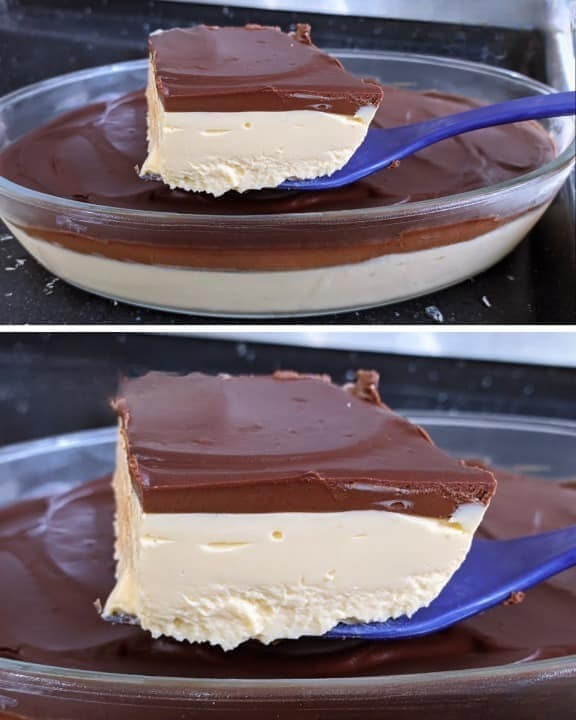

INGREDIENTS
Biscuit base
- 250 g digestive biscuits
(structure; plain flavor so filling stands out) - 100 g unsalted butter (melted)
(binds crumbs into solid crust) - 2 tbsp sugar
(helps caramel note and firmness) - Pinch of salt
(enhances flavor contrast)
Filling
- 600 g cream cheese (FULL FAT, room temperature)
(this is the structure of the cake; low-fat will ruin texture) - 200 g caster sugar (fine grain dissolves faster)
- 200 ml sour cream (or thick yogurt strained 2–3 hours)
(adds tang and creaminess) - 3 large eggs (room temperature ONLY)
(binds structure; cold eggs cause lumps) - 1 tbsp cornflour or plain flour
(prevents cracking and stabilizes filling) - 1 tbsp vanilla extract
(flavor backbone) - 2 tbsp lemon juice
(cuts richness; balances sweetness) - Zest of 1 lemon
(aroma layer) - 1/4 tsp salt
(enhances depth)
STEP 1: PREPARING THE BISCUIT BASE
Crushing the biscuits properly
You need a texture like fine sand, not chunks.
Method:
- Put biscuits in a zip bag
- Roll firmly with a rolling pin for 3–5 minutes
OR - Use food processor (pulse, don’t blend continuously)
Mixing
Pour crumbs into a bowl:
- Add melted butter slowly while mixing
- Add sugar and salt
Correct texture test:
Take a handful and squeeze:
- It should hold shape like wet beach sand
- If it crumbles → add 1–2 tbsp more butter
- If it feels greasy → add 1–2 tbsp crumbs
Pressing into pan
- Line base with baking paper
- Pour mixture in
- Press HARD using glass bottom or spoon
Important rule:
Edges must be slightly raised (about 0.5 cm) to prevent filling leakage.
Pre-bake (non-negotiable)
- Bake at 170°C for 10 minutes
- Remove and cool completely
Why?
This sets structure and prevents soggy base later.
STEP 2: MAKING PERFECT CHEESECAKE FILLING
This is where most failures happen, so follow exactly.
Step A: Cream cheese smoothing
- Place cream cheese in large bowl
- Beat alone for 3–4 minutes
What you want:
- Completely smooth
- No lumps
- Thick but creamy
If lumps remain now, they will NOT disappear later.
Step B: Sugar incorporation
- Add sugar gradually (not all at once)
- Beat on low-medium speed for 2–3 minutes
Texture change:
- It becomes looser and silkier
- Slight gloss appears
Step C: Adding sour cream + flavoring
Add:
- Sour cream
- Vanilla
- Lemon juice
- Lemon zest
- Salt
Mix gently for 1–2 minutes only.
Do NOT overmix here or air bubbles form (causes cracks).
Step D: Eggs (MOST IMPORTANT STEP)
Add eggs:
- ONE at a time
- Mix JUST until yolk disappears
Critical rule:
Overmixing eggs = cracks + sponge-like texture
Correct batter should be:
- Thick
- Smooth
- Slightly glossy
- No visible bubbles
Step E: Stabilizer (flour/cornflour)
- Sift flour into batter
- Fold gently with spatula
Do NOT use mixer here.
STEP 3: PREPARING WATER BATH
Why water bath works:
- Keeps oven humidity high
- Prevents surface from drying too fast
- Allows gentle, even cooking
How to prepare:
- Wrap springform pan tightly with 3 layers foil
- Ensure no gaps at bottom edges
- Place in roasting tray
- Boil water separately
Fill water:
- Water should reach halfway up cheesecake pan
Warning:
If water leaks into pan → crust becomes soggy → ruined texture
STEP 4: BAKING
Oven settings:
- 160°C (not higher)
- Middle rack only
Time:
- 60 to 75 minutes
What happens during baking:
0–30 min:
- Edges start setting
- Center still liquid
30–60 min:
- Slight rise
- Surface becomes matte
60–75 min:
- Edges firm
- Center jiggles like jelly
DON’T WAIT FOR FULL SOLIDITY
Perfect cheesecake is:
- Firm edges
- Soft center wobble
If fully solid in oven → it is overbaked
STEP 5: COOLING PROCESS
Stage 1: Oven cooling
- Turn oven OFF
- Crack door open slightly
- Leave for 60 minutes
Why?
Slow temperature drop prevents cracks.
Stage 2: Room cooling
- Remove from oven
- Leave 1–2 hours at room temperature
Touch test:
- Should feel slightly warm, not hot
Stage 3: Refrigeration
- Cover lightly (not airtight)
- Chill minimum 6 hours
Best: overnight (12 hours)
Why chilling matters:
- Texture becomes dense and creamy
- Flavor deepens
- Slicing becomes clean
STEP 6: CLEAN SLICING METHOD
To get bakery-style slices:
- Heat knife in hot water
- Wipe dry
- Cut one slice
- Clean knife again
- Repeat
OPTIONAL TOPPING: BERRY GLAZE
Ingredients:
- 1 cup berries
- 3 tbsp sugar
- 2 tbsp water
- 1 tsp lemon juice
- Cornflour slurry (1 tsp cornflour + 1 tbsp water)
Method:
- Cook berries until soft (5–7 min)
- Mash lightly
- Add sugar and lemon
- Add slurry
- Stir until glossy and thick
Cool completely before adding on cheesecake.
TROUBLESHOOTING
Crack on top
Causes:
- Overmixing eggs
- High temperature
- No water bath
Fix:
- Always cover with topping
Grainy texture
Causes:
- Cold cream cheese
- Not beaten enough
Fix:
- Always room temperature ingredients
Soggy base
Causes:
- Water leakage
Fix:
- Double foil wrap next time
Cheesecake too soft
Causes:
- Underbaked
- Not chilled enough
Fix:
- Chill longer (overnight minimum)
Overcooked dry texture
Causes:
- Oven too hot
- Too long baking
Fix:
- Reduce temperature by 10–15°C next time