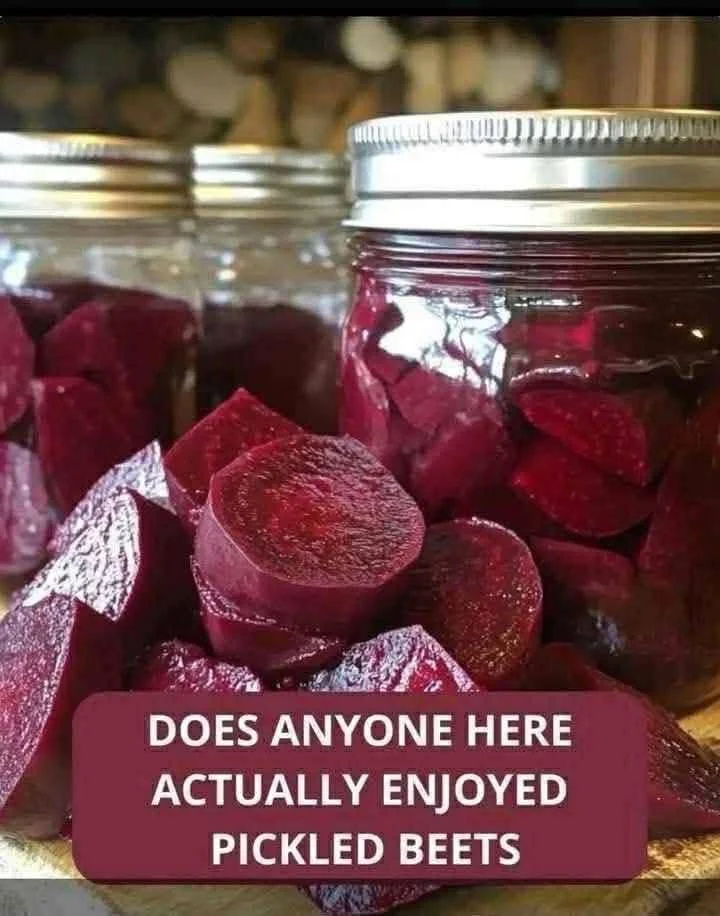
Pickled beets are preserved beetroot stored in an acidic solution (usually vinegar-based brine). The acidity prevents harmful bacterial growth while enhancing flavor and extending shelf life. The process combines cooking, acidification, and optional canning.
Beets themselves are naturally sweet due to their high sugar content. When combined with vinegar, the result is a balance of:
- Sweetness
- Acidity
- Earthy undertones
- Aromatic spice notes (if added)
2. Types of Beets You Can Use
Common Varieties
- Red Beets: Most commonly used; deep red-purple color, classic flavor
- Golden Beets: Milder and less earthy; produce a golden brine
- Chioggia Beets: Red-and-white striped interior; visually appealing but color fades when pickled
Size Considerations
- Small beets: sweeter, more tender
- Medium beets: best balance of flavor and texture
- Large beets: slightly fibrous, require longer cooking
3. Ingredient Breakdown (With Purpose)
Core Ingredients
- Beets: Main vegetable, provides texture and sweetness
- Vinegar (5% acidity): Preservation and tanginess
- Water: Dilutes acidity for balance
- Sugar: Counteracts acidity, enhances natural beet sweetness
- Salt: Flavor enhancer and mild preservative
Optional Flavor Agents and Their Roles
- Cloves: Strong, warm spice flavor
- Cinnamon: Sweet aromatic depth
- Peppercorns: Mild heat and complexity
- Mustard seeds: Slight bitterness and crunch
- Garlic: Savory depth
- Onion: Adds sweetness and sharpness
- Bay leaf: Subtle herbal note
4. Equipment in Detail
Essential Tools
- Large pot: For boiling beets
- Saucepan: For preparing brine
- Sharp knife: Clean cuts prevent texture damage
- Cutting board: Preferably non-porous
Jar Preparation Tools
- Glass jars (heat-resistant)
- Lids with sealing rings
- Tongs (for handling hot jars)
- Funnel (optional, but prevents spills)
Optional Advanced Tools
- Jar lifter
- Bubble remover tool
- Kitchen thermometer
5. Preparation Timeline Overview
- Cleaning: 10–15 minutes
- Cooking beets: 30–60 minutes
- Cooling and peeling: 15–20 minutes
- Slicing: 10–15 minutes
- Brine preparation: 10 minutes
- Jar packing: 15 minutes
- Optional canning: 15 minutes
Total time: approximately 2 to 2.5 hours
6. Step-by-Step Process (Highly Detailed)
Step 1: Washing and Trimming
- Rinse beets under running water
- Remove dirt thoroughly
- Trim leaves, leaving about 2–3 cm stem
- Do not cut root completely to reduce color bleeding
Step 2: Cooking the Beets Properly
Place beets in a pot and cover with water.
Important notes:
- Do not overcrowd pot
- Maintain even heat
Bring to boil, then reduce to simmer.
Cooking times:
- Small: 25 minutes
- Medium: 40 minutes
- Large: 60 minutes
Test doneness:
Insert knife or fork. It should slide in easily without resistance.
Step 3: Cooling Process
Drain hot water immediately.
Transfer beets into:
- Ice bath (preferred), or
- Cold running water
Purpose:
- Stops cooking
- Preserves texture
- Makes peeling easier
Step 4: Peeling Technique
Rub skins gently:
- Use fingers or cloth
- Skins should slip off easily
Avoid using a knife unless necessary to preserve beet flesh.
Step 5: Cutting Styles and Their Impact
- Thin slices: absorb flavor faster
- Thick slices: retain firmness longer
- Cubes: good for salads
- Whole small beets: best for presentation
Uniformity is important for even pickling.
Step 6: Brine Preparation Science
Basic ratio:
- 2 parts vinegar
- 1 part water
- 1 part sugar (adjustable)
Heat until:
- Sugar dissolves completely
- Mixture is hot but not violently boiling
Add spices early to infuse flavor.
Step 7: Sterilizing Jars (Critical for Safety)
Methods:
Boiling method:
- Submerge jars in boiling water for 10 minutes
Oven method:
- Heat at low temperature (around 120°C) for 15 minutes
Always:
- Keep jars warm before filling
- Avoid temperature shock
Step 8: Packing Strategy
Layer beets carefully.
Optional layering:
- Beet slices
- Onion slices
- Garlic pieces
Leave headspace:
- About 1 cm at top
Do not crush or press beets too tightly.
Step 9: Pouring Brine
- Brine must be hot
- Cover all beets completely
Remove air bubbles:
- Use clean utensil
- Tap jar gently
Seal immediately.
Step 10: Processing for Shelf Stability
For long-term storage:
Water bath canning:
- Submerge jars in boiling water
- Process for 10–15 minutes
Remove and let cool undisturbed.
Check seals:
- Lid should not flex when pressed
7. Storage Conditions
Refrigeration
- Lasts 1–2 months
- Flavor improves over time
Pantry Storage (Canned)
- Up to 1 year
- Keep in cool, dark place
After opening:
- Always refrigerate
8. Flavor Development Over Time
Timeline:
- Day 1: Mild flavor
- Day 3: Balanced taste
- Week 1: Full flavor develops
- Week 2+: Deep, rich taste
9. Advanced Flavor Variations
Sweet and Spiced
- Add extra sugar
- Include cinnamon and cloves
Tangy and Sharp
- Increase vinegar ratio
- Reduce sugar
Spicy Version
- Add chili flakes or fresh chilies
Garlic-Forward
- Increase garlic quantity
Herbal Infusion
- Dill
- Thyme
- Rosemary
10. Nutritional Benefits
Beets are rich in:
- Fiber
- Folate
- Vitamin C
- Potassium
They are also known for:
- Supporting heart health
- Improving blood circulation
- Providing antioxidants
11. Common Problems and Detailed Solutions
Problem: Beets Too Mushy
Cause: Overcooking
Solution: Reduce cooking time
Problem: Too Sour
Cause: Excess vinegar
Solution: Add more sugar or dilute with water
Problem: Too Sweet
Cause: Excess sugar
Solution: Increase vinegar next batch
Problem: Cloudy Brine
Cause:
- Impure water
- Iodized salt
- Contamination
Solution:
- Use filtered water
- Use pickling salt
12. Safety Considerations
- Always use vinegar with at least 5% acidity
- Maintain cleanliness
- Avoid damaged jars
- Discard if:
- Bad smell
- Mold appears
- Lid bulges
13. Serving Ideas (Expanded)
Pickled beets pair well with:
- Grilled meats
- Rice dishes
- Fresh salads
- Yogurt-based sides
- Sandwich fillings
They can also be:
- Chopped into dips
- Added to wraps
- Served as a tangy condiment
14. Scaling the Recipe
To double:
- Double all ingredients proportionally
To reduce:
- Maintain same ratios
Consistency is more important than quantity.