1. Understanding Cloves Before You Begin
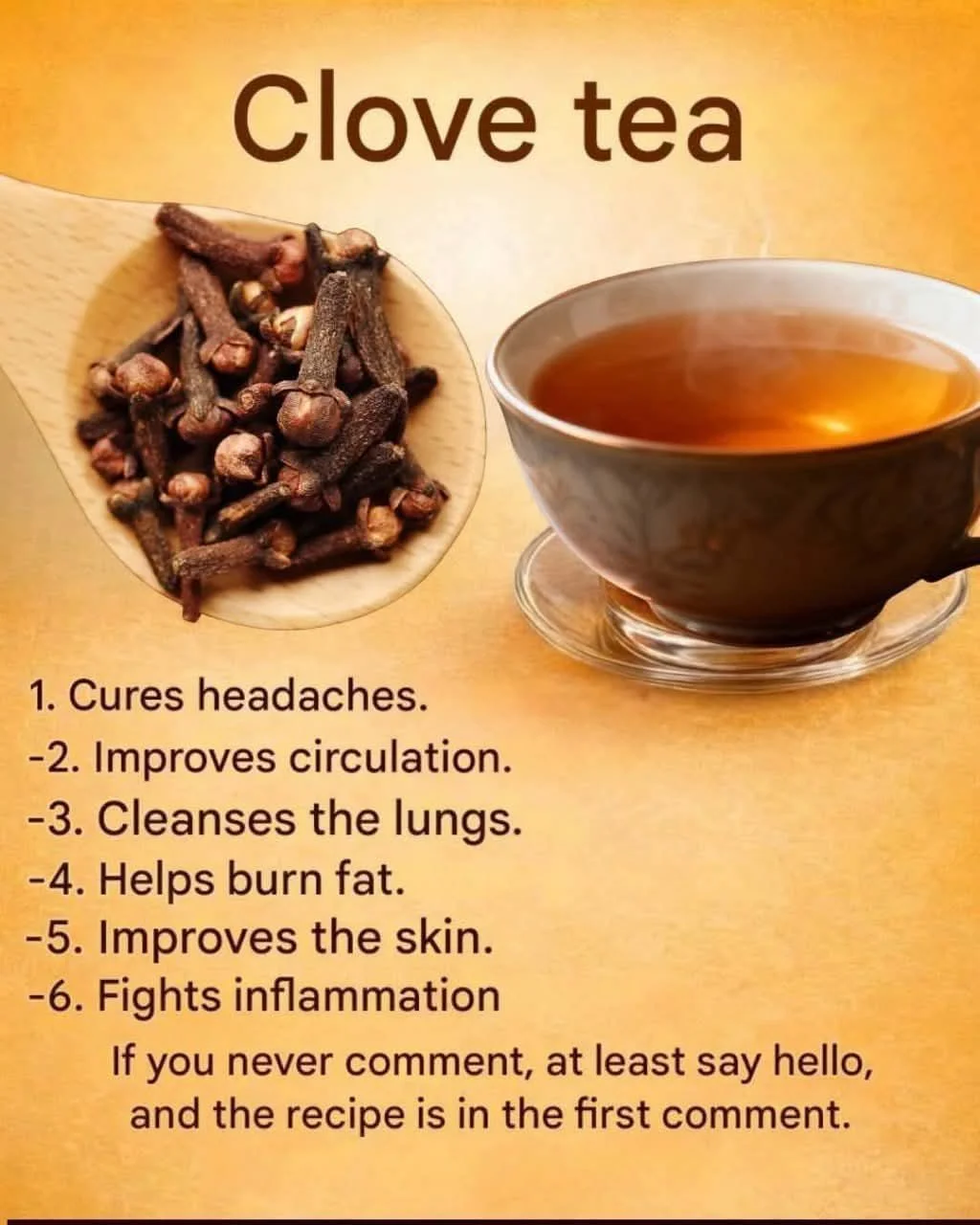
Cloves are dried flower buds harvested from the clove tree. They are highly aromatic and contain essential oils, mainly eugenol, which gives them their strong, slightly sweet, warm, and mildly spicy taste.
Key characteristics of cloves:
- Very concentrated flavor, so small amounts are enough
- Strong warming effect when consumed
- Slight bitterness if over-extracted
- Pair well with spices like cinnamon, cardamom, and ginger
Because cloves are potent, balance is essential. Too few and the tea tastes weak; too many or too long boiling can make it harsh.
2. Choosing the Right Ingredients
Cloves
- Use whole cloves, not powdered
- Fresh cloves should be dark brown, slightly oily, and strongly fragrant
- Old cloves will smell weak and produce dull tea
Water
- Use clean, filtered water if possible
- Hard water may slightly affect taste
Sweeteners (Optional)
- Sugar gives a neutral sweetness
- Honey adds a smooth, soothing texture
- Jaggery provides a deeper, caramel-like flavor
Optional Add-ons
- Ginger: adds heat and freshness
- Cardamom: gives a sweet, floral aroma
- Cinnamon: adds warmth and depth
- Black tea leaves: create a stronger, chai-like base
- Milk: makes the tea richer and creamier
3. Basic Clove Tea (Highly Detailed Process)
Ingredients
- 2 cups water
- 5 whole cloves
- Sweetener (optional)
Preparation Steps
Step 1: Measuring and Setup
Take a small saucepan and measure exactly 2 cups of water. Precision helps maintain consistent flavor, especially if you plan to refine the recipe later.
Step 2: Crushing the Cloves
Place the cloves on a flat surface and gently press them with the back of a spoon or use a mortar and pestle. Do not grind into powder. The goal is to crack them open to release oils.
Step 3: Heating the Water
Place the saucepan on medium heat. Allow the water to heat gradually instead of rushing to a boil. Gradual heating helps better extraction.
Step 4: Adding Cloves
Add the crushed cloves when the water is hot but not fully boiling. This prevents sudden shock extraction, which can lead to bitterness.
Step 5: Controlled Boiling
Once the water reaches a gentle boil, reduce the heat immediately. Let it simmer instead of aggressively boiling.
Step 6: Simmering Time
Let it simmer for 5 to 10 minutes:
- 5 minutes = lighter, smoother tea
- 10 minutes = stronger, more medicinal taste
Step 7: Covered Steeping
Turn off the heat and cover the saucepan. Let it sit for 3 to 5 minutes. This step traps volatile oils and enhances aroma.
Step 8: Straining
Use a fine strainer to pour the tea into a cup. Remove all clove particles for a clean drink.
Step 9: Final Adjustments
Add sweetener if desired and stir thoroughly.
4. Advanced Spiced Clove Tea (Full Version)
This version builds complexity and depth.
Ingredients
- 2 cups water
- 5 to 6 cloves (crushed)
- 2 cardamom pods (lightly crushed)
- 1 small cinnamon stick
- 1 thin slice fresh ginger
- 1 teaspoon black tea leaves (optional)
- 1/4 to 1/2 cup milk (optional)
- Sweetener to taste
Detailed Cooking Process
Step 1: Base Heating
Pour water into a saucepan and begin heating over medium flame.
Step 2: Spice Preparation
Crush cloves and cardamom lightly. Slice ginger thinly. Keep cinnamon whole for slow infusion.
Step 3: Initial Infusion
Add all spices except black tea and milk. Let the mixture heat slowly.
Step 4: Boiling Phase
Bring to a boil, then reduce heat. Let it simmer for 8 to 12 minutes. Stir occasionally.
Step 5: Adding Tea Leaves
If using black tea, add it now and simmer for 2 to 3 minutes. Avoid overboiling tea leaves to prevent bitterness.
Step 6: Milk Integration (Optional)
Add milk and raise heat slightly until it gently boils. Stir continuously.
Step 7: Sweetening
Add sugar, honey, or jaggery. Mix well until dissolved.
Step 8: Final Simmer
Let everything blend for another 1 to 2 minutes.
Step 9: Strain and Serve
Strain into cups and serve hot.
5. Controlling Flavor Strength
You can fine-tune the tea by adjusting:
- Number of cloves
- Simmering time
- Amount of water
- Presence of milk
General guidelines:
- Strong tea: more cloves + longer simmer
- Mild tea: fewer cloves + shorter simmer
- Balanced tea: moderate cloves + controlled simmer
6. Common Mistakes and How to Avoid Them
Overboiling
Too much boiling makes the tea harsh and overly strong. Always reduce to simmer.
Using powdered cloves
Powder makes the tea muddy and overly intense.
Skipping crushing step
Whole cloves release less flavor if not cracked.
Too many spices
Adding too many ingredients can overpower the clove flavor.
7. Variations You Can Try
Lemon Clove Tea
Add a few drops of lemon juice after straining for a refreshing twist.
Strong Herbal Version
Use only cloves and ginger, simmer longer, no milk.
Dessert Style
Add milk, sugar, and a pinch of cinnamon for a sweeter drink.
Light Evening Tea
Use fewer cloves and no black tea for a mild version.
8. Serving Suggestions
- Best served hot
- Ideal during cold weather or rainy days
- Can be paired with light snacks like biscuits or toast
- Works well as a soothing evening drink
9. Storage and Reuse
- Best consumed fresh
- Can be stored in the refrigerator for up to 24 hours
- Reheat gently on stove
- Avoid reheating multiple times