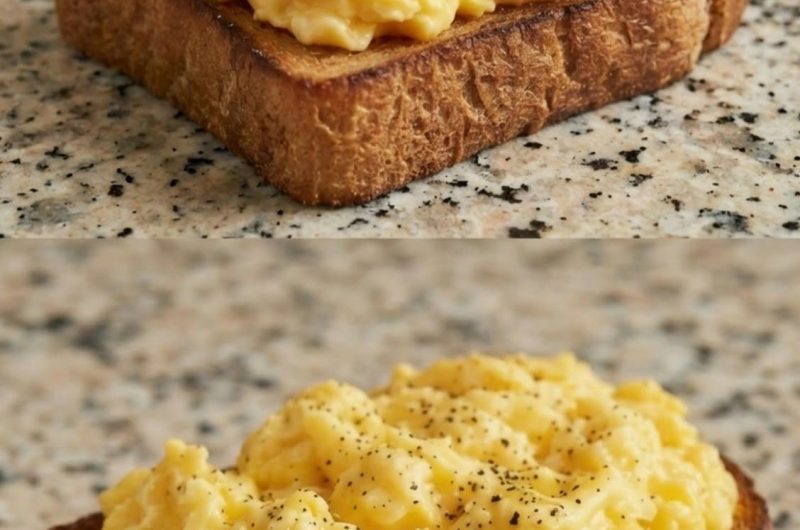

Creamy Scrambled Eggs are one of the most beloved breakfast dishes in the world, appreciated for their simplicity, versatility, and comforting flavor. Although scrambled eggs may appear to be one of the easiest recipes to prepare, creating truly creamy scrambled eggs requires patience, proper technique, and attention to detail. The difference between ordinary scrambled eggs and exceptionally creamy scrambled eggs lies in the cooking method. Rather than cooking quickly over high heat, creamy scrambled eggs are cooked slowly and gently, allowing the eggs to develop a soft, silky texture that remains moist and luxurious. The result is a dish that feels rich and indulgent while still relying on a handful of basic ingredients that are commonly found in most kitchens.
The beauty of creamy scrambled eggs is that they can be enjoyed in countless ways. They make an excellent breakfast, brunch, lunch, or even a light dinner. Their delicate flavor pairs beautifully with toast, roasted vegetables, breakfast meats, smoked salmon, fresh herbs, cheeses, and many other accompaniments. Whether served simply with buttered toast or presented as part of an elaborate brunch spread, creamy scrambled eggs always bring a sense of comfort and satisfaction to the table.
Many professional chefs consider scrambled eggs to be one of the best tests of cooking skill because the dish reveals how well a cook understands temperature control. Eggs are delicate proteins that can quickly become dry and rubbery if exposed to excessive heat. By cooking them slowly and stirring them carefully, you can achieve a velvety texture that is smooth, tender, and almost custard-like. This style of scrambled eggs has become especially popular in fine dining restaurants where texture and flavor are prioritized over speed.
Ingredients
12 large eggs
6 tablespoons unsalted butter
6 tablespoons heavy cream
3 tablespoons whole milk
1 teaspoon fine sea salt
½ teaspoon freshly ground black pepper
1 tablespoon chopped fresh chives
1 tablespoon finely chopped parsley
1 teaspoon fresh thyme leaves (optional)
Additional butter for serving
Optional Garnishes
Fresh chives
Microgreens
Grated Parmesan cheese
Crumbled goat cheese
Smoked salmon
Avocado slices
Butter-toasted bread
Freshly cracked black pepper
Preparation
Begin by selecting the freshest eggs available. Fresh eggs not only taste better but also produce a superior texture. Remove the eggs from the refrigerator approximately fifteen to twenty minutes before cooking. Allowing the eggs to come closer to room temperature promotes more even cooking and contributes to a smoother final result.
Crack each egg into a large mixing bowl. Carefully inspect the bowl to ensure no shell fragments remain. Add the heavy cream, milk, salt, and black pepper. Using a whisk, beat the eggs thoroughly for several minutes. Continue whisking until the mixture becomes completely uniform in color and slightly frothy. Proper whisking incorporates air into the eggs, helping create a lighter and fluffier texture while maintaining creaminess.
Preparing the Cooking Surface
Choose a high-quality nonstick skillet or a heavy-bottomed saucepan. The cooking vessel plays an important role because it helps distribute heat evenly and reduces the likelihood of hot spots that can cause uneven cooking.
Place the skillet over very low heat. Add the butter and allow it to melt slowly. Do not allow the butter to brown. The goal is simply to create a rich, buttery foundation for the eggs. As the butter melts, tilt the pan gently to coat the entire cooking surface.
Once the butter has melted completely, pour the egg mixture into the skillet.
The Slow Cooking Process
Allow the eggs to rest undisturbed for approximately thirty seconds. During this time, a thin layer of egg will begin to set on the bottom of the pan. Using a silicone spatula, gently draw the eggs from the edges toward the center.
Continue stirring slowly and continuously. The key is to move the eggs gently rather than aggressively scrambling them. Long, sweeping motions help create soft curds and prevent the eggs from becoming dry.
As the eggs begin to thicken, continue folding them over themselves. You will notice that the mixture remains glossy and moist. This is exactly what you want. Resist the urge to increase the heat. Slow cooking is the secret to achieving luxurious scrambled eggs.
After several minutes, the eggs will begin forming larger curds. Continue stirring gently while maintaining low heat. The eggs should never sizzle loudly. If you hear significant sizzling, the heat is too high.
A useful technique employed by many professional chefs involves periodically removing the skillet from the heat for ten to fifteen seconds before returning it. This helps regulate temperature and prevents overcooking. Continue this process throughout cooking if necessary.
Developing the Perfect Texture
As the eggs approach doneness, they should appear thick yet still slightly loose. At this stage, continue stirring carefully while paying close attention to texture. The eggs should resemble a soft custard rather than firm chunks.
Add the chopped chives, parsley, and thyme if using. Stir gently to distribute the herbs evenly throughout the eggs. The herbs add freshness that balances the richness of the butter and cream.
When the eggs are approximately ninety percent cooked and still appear slightly glossy, remove the skillet from the heat. Residual heat will continue cooking them. This final stage is critical because overcooked eggs can quickly lose their creamy consistency.
Finishing the Eggs
For an extra luxurious finish, add an additional tablespoon of butter and gently fold it into the warm eggs. The butter melts into the eggs, enhancing both flavor and texture.
Taste and adjust seasoning if necessary. Some people prefer slightly more salt or pepper depending on personal preference.
Transfer the eggs immediately to warm serving plates. Never leave scrambled eggs sitting in the hot skillet because they will continue cooking and may become dry.
Serving Suggestions
Creamy scrambled eggs can be served in many delicious ways.
Serve them over thick slices of buttered sourdough toast.
Pair them with crispy bacon and roasted tomatoes.
Enjoy them alongside sautéed mushrooms and spinach.
Top them with smoked salmon and fresh dill.
Serve them with avocado slices and a sprinkle of sea salt.
Add grated Parmesan cheese for extra richness.
Use them as a filling for breakfast sandwiches.
Pair them with roasted breakfast potatoes.
Serve them with fresh fruit for a balanced breakfast.
Enjoy them with warm croissants and freshly brewed coffee.
Storage and Reheating
Although creamy scrambled eggs are best enjoyed immediately, leftovers can be stored in an airtight container in the refrigerator for up to two days. To reheat, place them in a skillet over very low heat and stir gently until warmed through. Avoid microwaving at high power because it can make the eggs rubbery.
Common Mistakes to Avoid
Cooking over high heat.
Using insufficient butter.
Failing to whisk the eggs thoroughly.
Overcooking the eggs.
Leaving the eggs in the pan after cooking.
Adding salt too late.
Using a pan with uneven heating.
Rushing the cooking process.
Benefits of Creamy Scrambled Eggs
Eggs are naturally rich in high-quality protein and contain essential vitamins and minerals. They provide nutrients such as vitamin B12, vitamin D, selenium, phosphorus, and choline. Protein-rich breakfasts can help promote satiety and provide sustained energy throughout the morning. When enjoyed as part of a balanced diet, scrambled eggs can be both nourishing and satisfying.
The History of Scrambled Eggs
Scrambled eggs have been enjoyed for centuries across many cultures. Historical records suggest that egg dishes similar to scrambled eggs were consumed in ancient civilizations throughout Europe, Asia, and the Middle East. Over time, different regions developed their own variations. French-style scrambled eggs are known for their soft, custard-like texture. American-style scrambled eggs are often fluffier and cooked slightly firmer. British and Australian versions frequently emphasize simplicity, allowing the flavor of the eggs themselves to shine.
Today, creamy scrambled eggs remain a staple in homes, restaurants, hotels, and cafés around the world. Their enduring popularity reflects their ability to transform simple ingredients into a comforting and elegant meal.
The true secret to exceptional creamy scrambled eggs is patience. By respecting the delicate nature of eggs and cooking them slowly over gentle heat, you create a dish that is rich, silky, tender, and deeply satisfying. Every spoonful offers a luxurious texture that melts in your mouth, making creamy scrambled eggs one of the finest examples of how simple cooking techniques can produce extraordinary results. Whether prepared for a quick weekday breakfast, a relaxing weekend brunch, or a special gathering with family and friends, creamy scrambled eggs deliver warmth, comfort, and timeless appeal that never goes out of style. Their velvety texture, rich buttery flavor, and endless versatility ensure they will remain a favorite breakfast classic for generations to come.